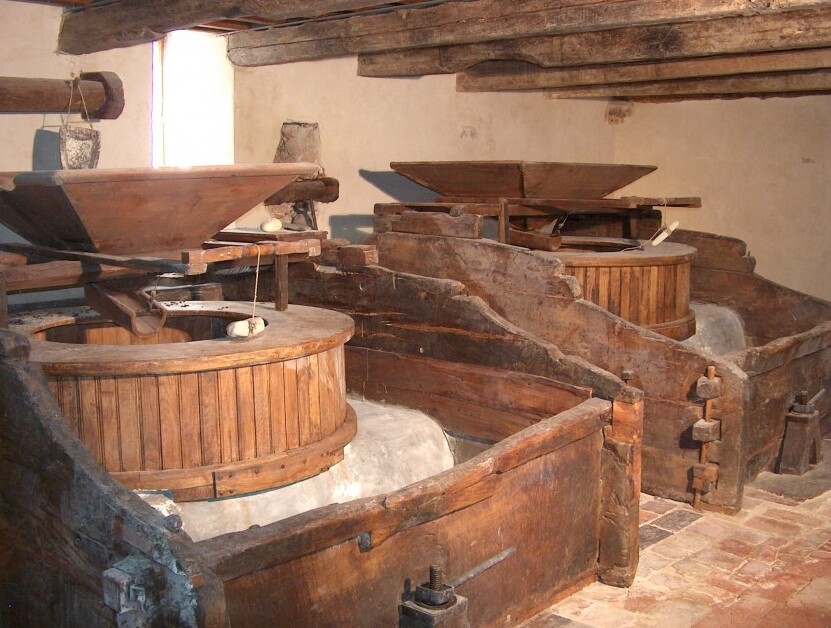

Nestled in the charming village of Stazione, the Sapignoli Mill Museum serves as a captivating testament to the region’s rich historical tapestry and its enduring connection to the art of milling. Recently restored, this mill not only exemplifies industrial heritage but also narrates the story of how the Malatesta family wielded economic power in the past, particularly as the granary of their Seignory. Visitors to the museum can experience the thrill of witnessing the mill in perfect working order, a rare sight that brings history to life.
### History and Origins The Sapignoli Mill's origins date back to the 14th century, a time when milling was crucial to local economies. It was during the reign of the Malatesta family, an influential dynasty that dominated the region, that the mill became an integral part of their agricultural and economic strategies. The mill served not only as a means of grain processing but also as a symbol of the family’s wealth and power. The mill's strategic location along the Valmarecchia River made it essential for trade and sustenance in the area, ensuring that it played a pivotal role in the community for centuries.
Key historical events include its restoration in 2018, which revived the mill's operations and transformed it into a museum. This endeavor not only preserved its legacy but also served as a reminder of the agricultural traditions that shaped this picturesque region of Italy.
### Art and Architecture The architectural style of the Sapignoli Mill is a beautiful blend of functional design and aesthetic appeal, characterized by its robust stone structure and traditional wooden beams. The mill’s exterior reflects the utilitarian nature of its original purpose while also showcasing the craftsmanship typical of the era. Inside, visitors will find an impressive millstone room, where the grinding stones tell stories of the thousands of grains processed over the centuries.
In addition to its architectural significance, the museum houses various artworks that depict the history of milling and the Malatesta family. Art enthusiasts will appreciate the blend of historical artifacts and contemporary exhibits that showcase the evolution of milling technology and its impact on local culture.
### Local Culture and Traditions The cultural significance of the Sapignoli Mill extends beyond its historical importance; it is deeply embedded in local traditions. The Festa della Farina, a festival celebrating flour and its role in local cuisine, takes place in the region annually, drawing visitors from all around. During this event, locals showcase traditional baking techniques and share recipes that have been passed down through generations, emphasizing the mill's vital role in their culinary heritage.
Moreover, the mill often serves as a venue for educational programs and workshops that explore traditional milling practices, fostering a deeper understanding of the region’s agricultural roots.
### Gastronomy No visit to Stazione would be complete without indulging in the region’s gastronomic delights. The mill's historical connection to grain processing makes it a perfect backdrop for tasting local specialties such as piadina, a savory flatbread traditionally made with flour from local mills. Accompanied by prosciutto di Parma or seasonal vegetables, this dish embodies the essence of local flavors.
Additionally, visitors should not miss sampling the region’s wines, particularly those from the nearby hills. The combination of fertile soil and traditional winemaking techniques results in exceptional wines that pair beautifully with local cuisine.
### Lesser-Known Curiosities One surprising detail about the Sapignoli Mill is its role in the community. Beyond its function as a milling facility, it served as a social hub where locals gathered to share news, celebrate milestones, and forge connections. Many visitors are unaware that the mill was not just a workplace but a vital part of the social fabric in Stazione.
Another hidden gem is the expansive park surrounding the museum, which spans over 5,000 square meters. This green space offers a serene environment for visitors, complete with walking paths and picnic areas. It’s an ideal spot to relax and reflect on the rich history surrounding the mill.
### Practical Visitor Information The best time to visit the Sapignoli Mill Museum is during the spring and early autumn when the weather is mild and conducive to exploration. The museum is open year-round, but special programs and events are often scheduled during these peak seasons.
When planning your visit, consider taking a guided tour to gain deeper insights into the mill's history and operations. Be sure to look for the millstone room, where the machinery is still operational, allowing you to witness the milling process firsthand.
In conclusion, the Sapignoli Mill Museum is not just a destination; it is an experience that immerses visitors in the historical and cultural narrative of Stazione. To make the most of your visit, consider using the Secret World app for a personalized AI itinerary tailored to your interests.
