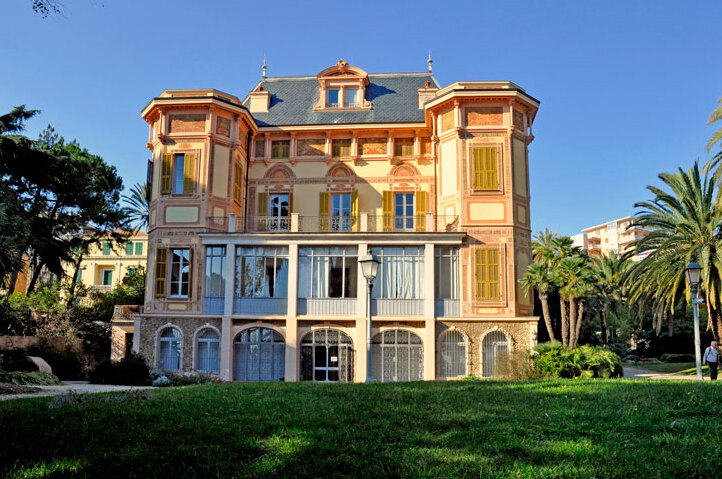


Nestled along the stunning Riviera dei Fiori, the charming coastal town of Sanremo holds a unique allure, enriched by its historical connections and stunning landscapes. Among its many treasures is the Villa Nobel, a remarkable estate that served as a retreat for the famed Swedish scientist Alfred Nobel. This villa not only encapsulates the spirit of 19th-century elegance but also tells the story of a man whose inventions changed the world.
### History and Origins
Sanremo's history stretches back to ancient times, originally founded by the Romans as a small settlement known as Sanctus Romulus. Its strategic location along the Mediterranean made it a desirable port, which flourished under the influence of various civilizations, including the Byzantines and the Genoese. However, it was during the 19th century that Sanremo emerged as a prominent destination for European elites seeking both health and leisure.
In 1881, Alfred Nobel, best known for inventing dynamite and establishing the Nobel Prizes, arrived in Sanremo for its temperate climate, believed to be beneficial for his health. He purchased the Villa Nobel in 1891 and spent his last years there until his death in 1896. The villa became a sanctuary for Nobel, where he conducted scientific experiments and engaged with the local intellectual community.
### Art and Architecture
The Villa Nobel, constructed in 1870, is an exquisite example of Moresco style, characterized by ornate details and a blend of Arabic and Italian architectural elements. The villa features intricate tile work, elegant arches, and lush gardens, reflecting the romanticism of the period.
Inside, the villa houses the exhibition titled "Discover the 1800s," highlighting the technological advancements of the century and Nobel's significant contributions to various fields. Visitors can explore rooms dedicated to Nobel's life, showcasing personal artifacts and documents that paint a vivid picture of his character and intellect. The villa not only serves as a museum but also as a testament to the artistic and scientific fervor of the era.
### Local Culture and Traditions
Sanremo is renowned for its vibrant culture, deeply rooted in tradition. The town hosts various festivals throughout the year, with the most famous being the Sanremo Music Festival, held annually since 1951. This prestigious event celebrates Italian music and attracts artists from all over the country, contributing to the town's reputation as the "City of Flowers."
Another significant tradition is the celebration of Festa di Sanremo, which honors the patron saint of the town, San Romolo, with processions, music, and local culinary delights. These events highlight the community's pride in its heritage and foster a sense of togetherness among residents and visitors alike.
### Gastronomy
The culinary scene in Sanremo reflects the richness of Ligurian cuisine, characterized by fresh, local ingredients. One must-try dish is Trofie al Pesto, a traditional pasta made from durum wheat, typically served with a vibrant basil pesto that hails from this very region. Another local specialty is Focaccia di Recco, a thin, cheese-filled flatbread that is crispy on the outside and gooey on the inside.
For dessert, indulge in Pansottii, a type of stuffed pasta often filled with seasonal vegetables, and the region’s famous Fiori di Sanremo, delightful treats made from sweet dough and filled with cream. Pair these culinary delights with a glass of Pigato or Vermentino, local white wines that beautifully complement the flavors of the region.
### Lesser-known Curiosities
While many visitors flock to the famed sights, there are hidden gems worth discovering. The Villa Nobel not only served as Nobel’s residence but also as a vibrant hub for thinkers and innovators. Nobel frequently entertained guests, including notable figures from the arts and sciences, fostering an exchange of ideas that influenced his work.
Additionally, the gardens of Villa Nobel are a marvel in themselves, featuring a blend of typical Mediterranean plants alongside exotic species that Nobel collected during his travels. This botanical diversity reflects his adventurous spirit and appreciation for nature’s beauty.
### Practical Visitor Information
The best time to visit Sanremo is during the spring and early autumn months, particularly from April to June and September to October when the weather is pleasantly mild. To fully appreciate the town's charm, take leisurely strolls along the Corso Matteotti and the beautiful beaches of Sanremo, soaking in the vibrant atmosphere.
When visiting the Villa Nobel, allocate a few hours to explore both the interior exhibits and the enchanting gardens. Be sure to check the opening hours in advance, as they can vary seasonally.
In conclusion, Sanremo offers a rich tapestry of history, culture, and culinary delights, woven together by the legacy of Alfred Nobel and the enchanting beauty of the Riviera dei Fiori. For a more personalized exploration of this captivating destination, consider using the Secret World app to plan your itinerary.
