
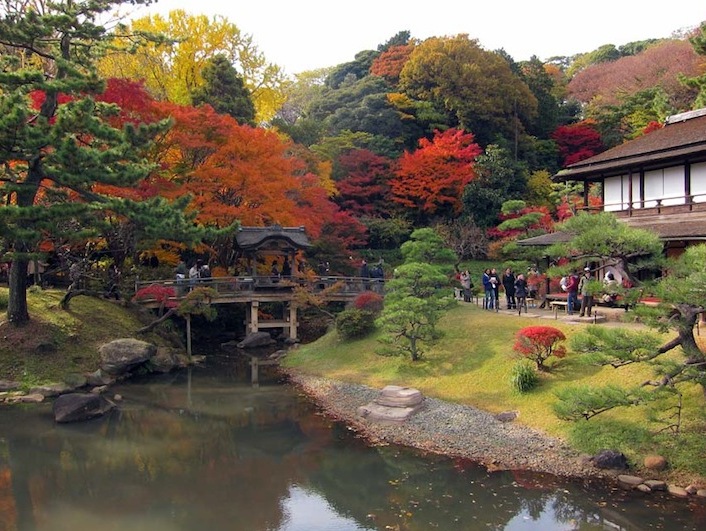

Nestled in the heart of Yokohama, Sankeien Garden is a tranquil escape that transports visitors to the Edo period with its stunning landscapes and historical architecture. Founded in 1904 by Hara Sankei, the garden reflects his passion for the beauty of traditional Japanese aesthetics. It showcases a carefully curated selection of historic buildings, including a magnificent three-storied pagoda that originally belonged to Kyoto's Tomyoji Temple, and a daimyo residence, which together narrate the story of Japan's rich cultural heritage.
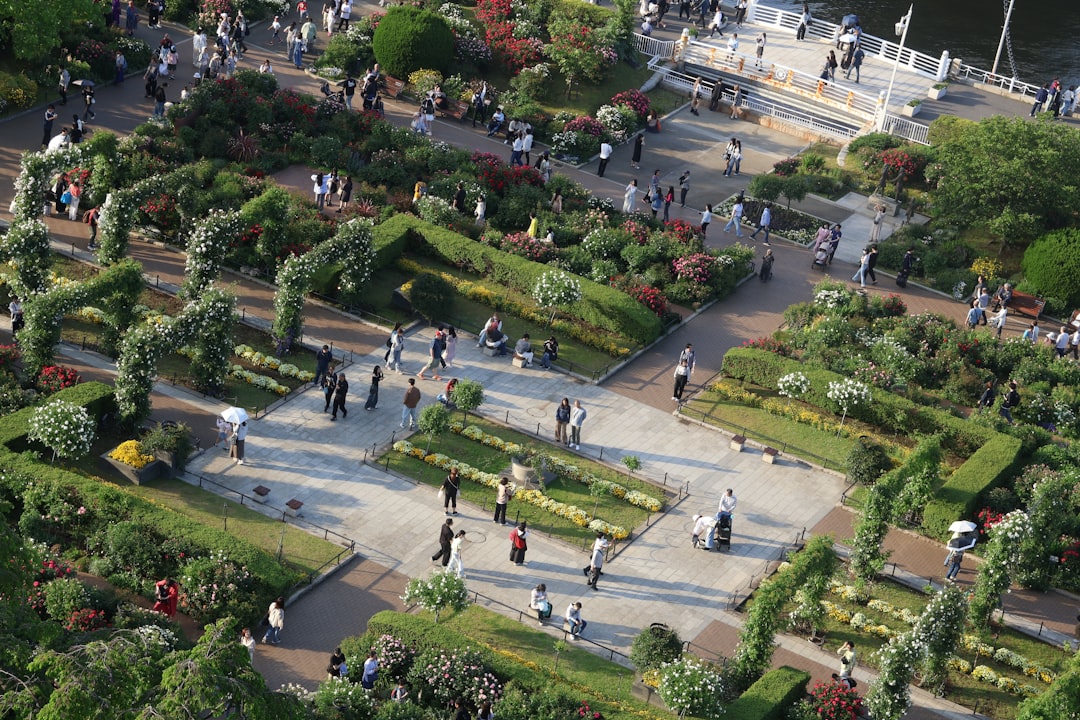
As you stroll through the garden's meandering paths, you'll encounter serene ponds, small rivers, and a riot of seasonal flowers that evoke the charm of Kyoto. The architecture within Sankeien is a testament to traditional Japanese craftsmanship, featuring wooden structures that harmonize beautifully with their natural surroundings. Each building, from the tea houses to the main hall, is a work of art, enveloped in stories of the past.
Culturally, Sankeien serves as a venue for various local events and festivals. The garden is particularly lively during the cherry blossom season in spring, when locals and tourists gather to celebrate Hanami, a time-honored tradition of enjoying the fleeting beauty of cherry blossoms. Throughout the year, you might also stumble upon tea ceremonies that offer a glimpse into the refined customs of Japanese hospitality.
When it comes to gastronomy, while Sankeien itself does not boast dining facilities, nearby areas of Yokohama offer delightful local cuisine. Be sure to try shumai, a type of dumpling native to this port city, or indulge in a bowl of ramen from one of the many renowned shops nearby. The flavors of Yokohama are a feast for the senses, and they complement the serene experience of the garden beautifully.
For those looking to dig deeper, Sankeien hides lesser-known curiosities that often escape the notice of casual visitors. For instance, the garden is home to a turtle pond, which, according to local lore, is said to bring good luck to those who spot the turtles swimming gracefully. Additionally, the Hara Sankei who created the garden was not just a lover of landscapes but also a prominent businessman, known for his contribution to the development of Yokohama during the Meiji era. His vision lives on in the garden’s thoughtful design, reflecting a blend of nature and architecture.
The best time to visit Sankeien is undoubtedly during the spring and autumn months when the garden is alive with color. Spring brings the delicate pinks of cherry blossoms, while autumn showcases a breathtaking palette of reds and oranges from the maple trees. Aim for a weekday visit to enjoy a more tranquil experience, as weekends can attract larger crowds.
As a practical tip, consider wearing comfortable shoes, as the garden spans a significant area with its lush trails. Be on the lookout for the historical markers that tell the story of each building, offering a deeper understanding of their significance in Japanese history.
Whether you are a history buff, a nature lover, or simply seeking a peaceful escape from the hustle and bustle of urban life, Sankeien Garden promises a unique experience that captivates the heart and soul. For a truly personalized exploration of Yokohama, consider using the Secret World app to craft your own unique itinerary.


