
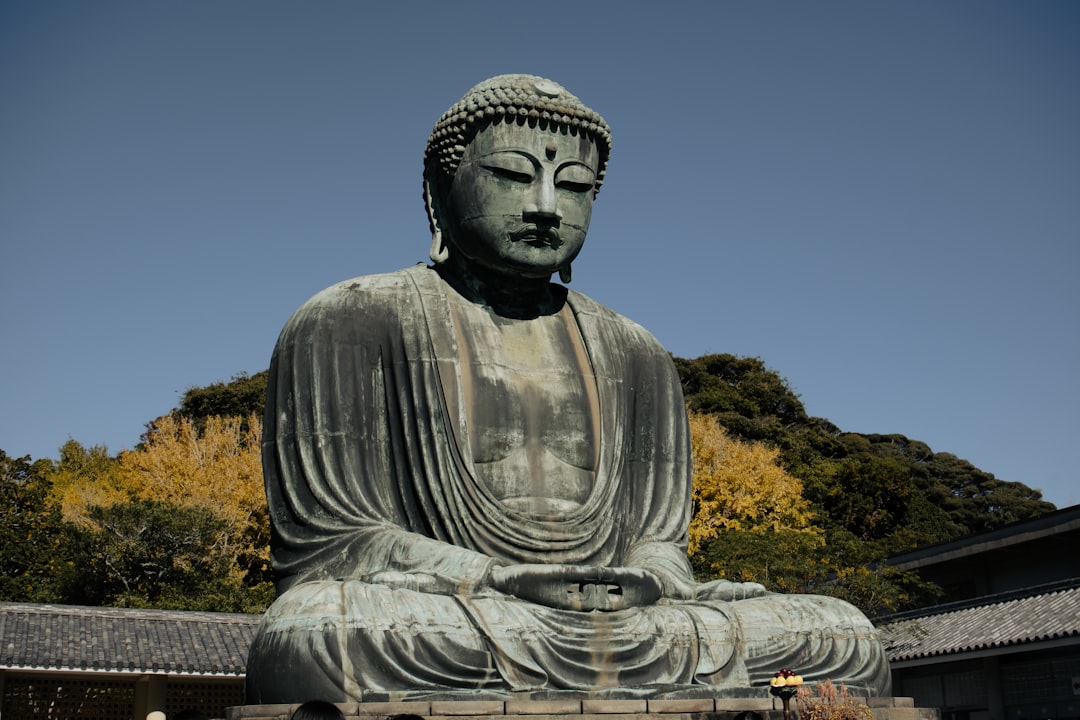

Kamakura, a small city in Kanagawa Prefecture, is a gem of Japan that enchants visitors with its rich history and historical monuments. Located south of Tokyo, it is an ideal destination for a getaway from the hustle and bustle of the capital. Among its wonders, the Great Buddha of Kamakura stands majestically, a witness to centuries of Japanese culture and spirituality.
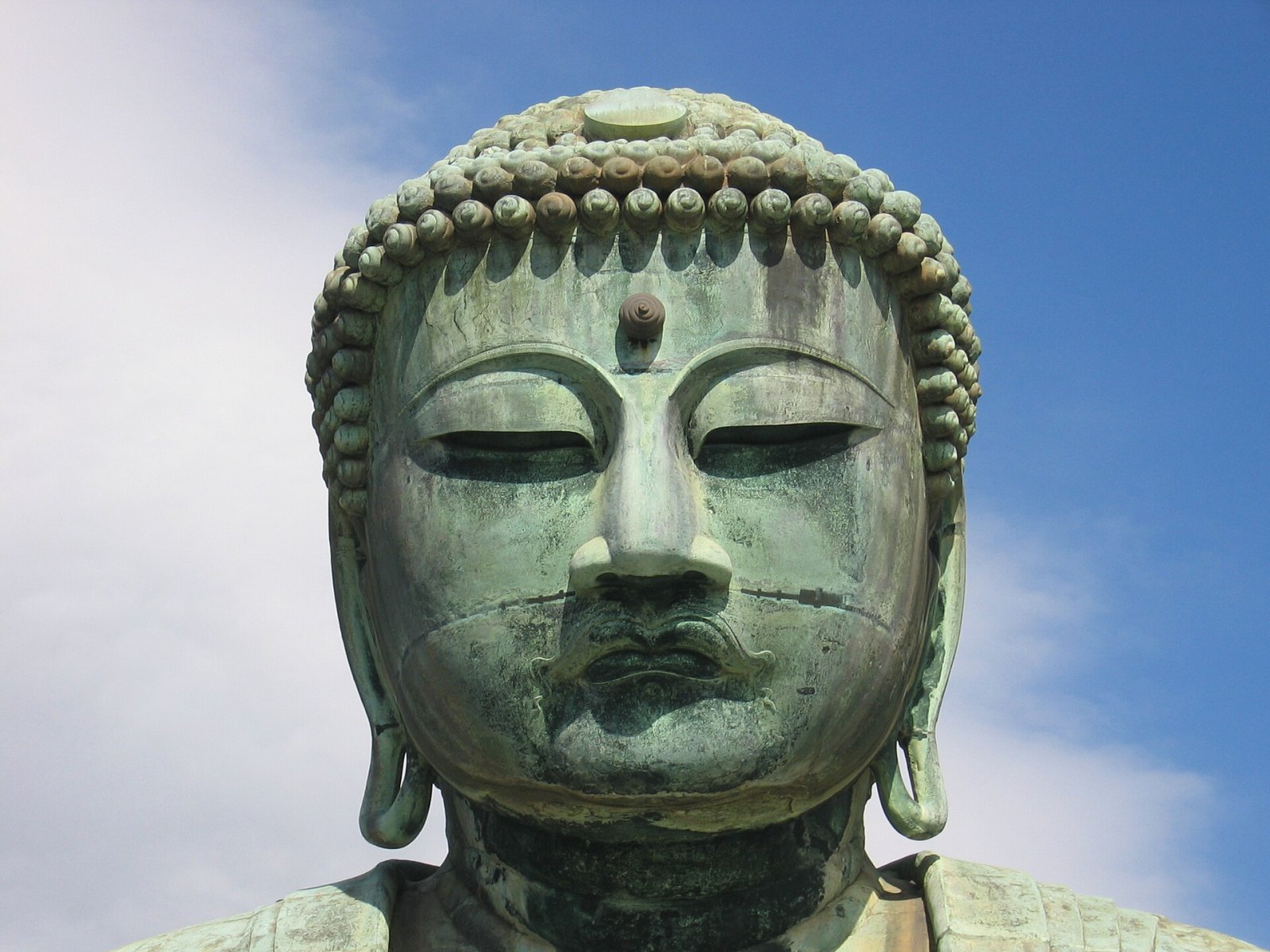
This imposing Buddha, known as Daibutsu, is one of the most recognizable symbols of Japan and represents a fusion of art, religion, and history. Its presence in this historic city attracts thousands of tourists and culture enthusiasts each year, making Kamakura a place of great interest for those wishing to explore Japan's past and spirituality.
History and Origins
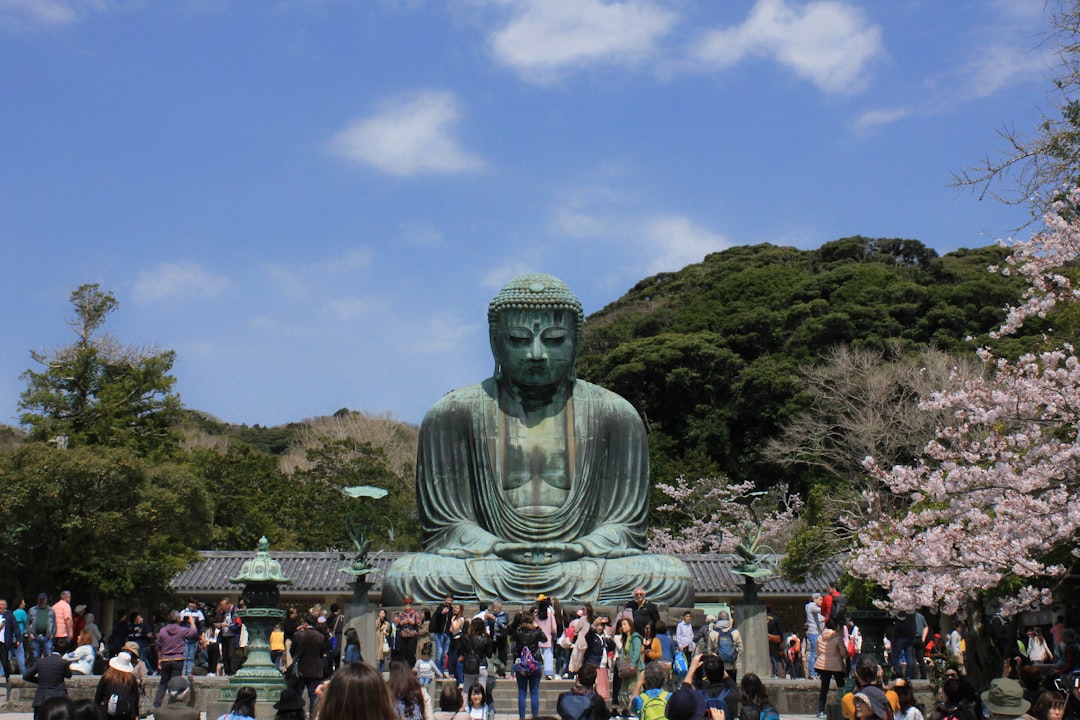
Kamakura was the de facto capital of Japan during the Kamakura shogunate period, from 1185 to 1333, established by Minamoto no Yoritomo. This period marked the beginning of military government in Japanese history, and Kamakura became a nerve center of power and culture. Despite a temporary decline after the fall of the shogunate, the city has maintained its historical significance, re-emerging during the Edo period as a popular tourist destination.
The Great Buddha was sculpted in 1252 and is made of bronze, a work of art that represents the figure of Buddha Amida. Initially, the statue was placed inside a temple, but after a violent tsunami in the 15th century, it was moved outdoors, where it continues to dominate the landscape of Kamakura today. This monument is not only an artistic masterpiece but also a symbol of resilience and spirituality for the local population.

Elements to Observe
When visiting the Great Buddha of Kamakura, tourists can admire its extraordinary height of over 13 meters and its serene gaze that invites meditation and reflection. The statue is made with over 100 tons of bronze and requires constant maintenance to preserve its beauty. Next to the Great Buddha, there is also a small temple that offers further insights into Buddhist history and culture.
Not far from the Daibutsu, visitors can explore Hase-dera Temple, famous for its gardens and the statue of Kannon, the goddess of mercy. This temple, along with other historical sites in Kamakura, offers a fascinating overview of Japanese spirituality and the natural beauty of the region, creating a unique and evocative atmosphere.
Why It Is Interesting Today
Kamakura continues to be an important tourist destination not only for its historical heritage but also for its vibrant cultural and social life. The city is a refuge for those seeking an authentic Japanese experience, away from the hectic pace of Tokyo. With its beaches, temples, and quaint shops, Kamakura offers a perfect mix of relaxation and discovery.
Moreover, the presence of the Great Buddha is a draw for practitioners and meditation lovers, who find in its imposing figure a place of peace and contemplation. The city is also an ideal starting point for excursions into the surrounding nature, making Kamakura a place where history and natural beauty intertwine harmoniously.
Practical Information for Visitors
Kamakura is easily reachable from Tokyo with a short train ride, making it an ideal destination for a day trip. Once there, visitors can explore the city on foot or by bicycle, enjoying the beauty of its landscapes and monuments. It is advisable to visit the Great Buddha in the morning, when the sunlight spectacularly illuminates it.
For a complete experience, it is suggested to plan a visit to the various temples and gardens of the city, taking advantage of the numerous photographic opportunities and moments of reflection that these places offer. Don't forget to download the Secret World app for more information and tips during your visit to Kamakura.


