



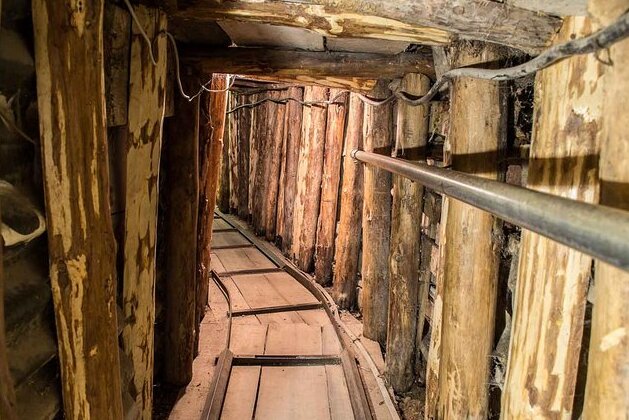
In the heart of Sarajevo, a powerful symbol of resilience and survival lies underground: the Sarajevo Tunnel, also known as the "Tunnel of Hope" or "Tunnel Spasa." This remarkable passageway became a lifeline for the besieged city during the Bosnian War from 1992 to 1995, allowing essential supplies to flow into a community cut off from the outside world.
The origins of the tunnel trace back to a desperate time. Faced with a brutal siege that left Sarajevo lacking basic necessities such as food, water, and electricity, local citizens, alongside the Bosnian Army, began construction of the tunnel in 1993. Stretching approximately 800 meters under the Sarajevo International Airport, the tunnel connected the city with the free territory of Bosnia. The ingenuity and determination of those who built it are testaments to the human spirit, as they labored under the threat of enemy fire to create this vital artery.
Architecturally, the tunnel is simple but effective. It was dug by hand, with a width of just over a meter and a height enough for a person to crouch through. While the tunnel may lack the grandeur of traditional monuments, its significance is immense. Visitors can explore a section of the tunnel at the Tunnel Museum, where exhibits recount the harrowing stories of those who traversed it. The echoes of history resonate within its walls, with artifacts and photographs that capture the dire circumstances faced by the people of Sarajevo.
The artistic significance of the tunnel extends beyond architecture. The stories and memories shared by those who lived through the siege form a living tapestry of Sarajevo’s culture. The museum houses not only physical remnants of the past but also artistic expressions—photographs, paintings, and testimonies that bear witness to a community's suffering and resilience. Local artists have often drawn inspiration from these events, contributing to a rich cultural narrative that continues to evolve.
Local culture and traditions in Sarajevo are deeply influenced by its tumultuous past. The city is a melting pot of Bosniak, Serb, and Croat influences, which is reflected in its customs and celebrations. One of the most significant events is the Sarajevo Film Festival, held annually in August. It is a celebration of artistic expression and a platform for filmmakers from the region to showcase their work. Visitors can also participate in traditional celebrations like Ramadan and Eid, which are marked by communal feasting and festivities, highlighting the spirit of togetherness that defines the city.
When it comes to gastronomy, Sarajevo offers an array of flavors that tell the story of its diverse cultural heritage. A must-try dish is burek, a savory pastry filled with minced meat, often enjoyed with a side of yogurt. The sogan-dolma, onions stuffed with minced meat and rice, also reflects the city’s culinary richness. For a sweet treat, indulge in tufahija, a delightful dessert made from poached apples filled with walnuts and sugar. Accompany your meal with a cup of strong Bosnian coffee, served in small cups, often enjoyed with a sweet treat on the side.
Interestingly, while the tunnel itself is well-known, many visitors overlook the Lesser-known curiosities surrounding it. For instance, the tunnel's construction was not only a military necessity but also a testament to the ingenuity of ordinary citizens. Many who worked on it were not trained engineers; they were teachers, shopkeepers, and students, driven by the need to survive. Additionally, the tunnel served as a means of escape for civilians during the war, allowing families to reach safety when the city was under siege.
For those looking to explore this poignant piece of history, the best time to visit Sarajevo is during spring (April to June) or early autumn (September to October). The weather is mild, perfect for walking tours that encompass the Tunnel Museum and other historical sites, including the Latin Bridge and the Gazi Husrev-beg Mosque. It’s advisable to join a guided tour, particularly the Complete Sarajevo War Tour, where guides often share personal narratives that bring the history of the tunnel and the siege to life.
As you explore the resilient spirit of Sarajevo, take the time to listen to the stories of the past. The Sarajevo Tunnel stands as a testament not only to survival but also to the enduring hope that continues to define the city today. For a personalized journey through this remarkable destination, consider using the Secret World app to plan your visit.
