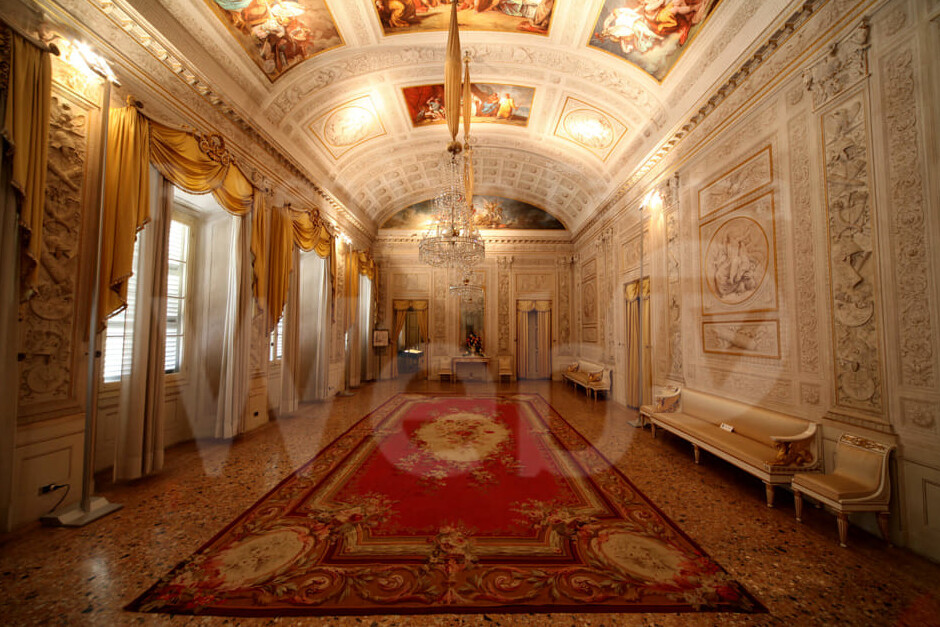

Nestled in the charming town of Faenza, the National Museum of the Neoclassical Age in Romagna beckons visitors with its rich tapestry of art, history, and culture. Housed in the elegant Palazzo Milzetti, this museum is more than just a collection of artifacts; it is a testament to a pivotal moment in Italian history, showcasing the brilliance of the Neoclassical movement that flourished in the late 18th and early 19th centuries.
### History and Origins
The origins of Palazzo Milzetti date back to the 18th century, with renovations transforming it between 1792 and 1808. The building itself stands as a reflection of the tumultuous historical landscape of Italy during this period, when the ideals of the Enlightenment began to shape public and private spaces. Giuseppe Pistocchi and Antonio Antolini, prominent architects of the time, were instrumental in its design, creating a space that married classical ideals with contemporary needs.
The museum's collection emphasizes the significant role of Faenza as a cultural hub during the Neoclassical era. It was a time when the region was a crucial part of the Papal States, and artists like Felice Giani, alongside his students, contributed to the rich artistic legacy found throughout Italy. The state acquired Palazzo Milzetti in 1974, and it has since been a beacon for those interested in the artistic and cultural currents of the time.
### Art and Architecture
The Neoclassical architectural style of Palazzo Milzetti is characterized by its clean lines, symmetry, and grandeur, drawing inspiration from ancient Greek and Roman forms. Entering the museum, visitors are greeted by stunning frescoes and intricate stucco work, many of which were completed by Felice Giani and his followers. The ceilings are adorned with mythological scenes that evoke a sense of the divine, while the grand staircase and elegant furnishings provide a glimpse into the opulence of the period.
Among the most notable artworks is the collection of neoclassical sculptures created by artists such as Antonio Trentanove and Giovan Battista Ballanti Graziani. These pieces embody the ideals of beauty and harmony that defined the era, offering insight into the philosophical underpinnings of Neoclassicism. The museum’s careful curation allows visitors to appreciate not just the art itself but the context in which it was created.
### Local Culture and Traditions
Faenza is renowned for its vibrant local culture, particularly its ceramics, which date back to the Middle Ages. The town hosts the International Museum of Ceramics, showcasing the rich tradition of pottery that complements the artistic narrative of the Neoclassical Museum.
Throughout the year, Faenza celebrates various festivals, such as the Festa di San Giovanni in June, where locals participate in lively processions and traditional music. These events highlight the deep-rooted customs that have persisted through centuries, offering visitors a unique glimpse into the community's spirit and pride.
### Gastronomy
No visit to Faenza would be complete without indulging in its culinary delights. The region is famous for its pasta dishes, particularly tagliatelle al ragù, a rich meat sauce that embodies the essence of Italian home cooking. Local vineyards produce exquisite Sangiovese wines, which pair beautifully with the region's hearty fare.
For dessert, try the traditional crostata di frutta, a fruit tart that reflects the local love for fresh, seasonal ingredients. These culinary experiences are not just meals; they are a celebration of the region’s agricultural heritage and commitment to quality.
### Lesser-known Curiosities
While the museum itself is a treasure trove, there are intriguing stories that often go unnoticed. For instance, the Palazzo Milzetti is said to have hosted notable figures from the Napoleonic era, including Napoleon Bonaparte himself, who was known to have visited the region. Additionally, the museum's garden, often overlooked, features a series of ornamental plants that reflect the horticultural practices of the time.
Visitors may also be surprised to learn that the museum houses a collection of historical furniture that belonged to the original inhabitants of the palace, giving a personal touch to the artistic and historical narrative.
### Practical Visitor Information
The best time to visit the National Museum of the Neoclassical Age in Romagna is during the spring and early autumn months, when the gardens are in full bloom and the weather is pleasantly mild. Plan your visit on weekdays to avoid crowds and take advantage of guided tours that provide deeper insights into the collections.
When exploring the museum, don’t miss the opportunity to stroll through the adjoining garden, where you can relax amidst lush greenery and enjoy a moment of tranquility. Make sure to check the museum's schedule for temporary exhibitions that often showcase contemporary interpretations of neoclassical themes.
As you embark on your journey to explore Faenza and the wonders of the National Museum of the Neoclassical Age, consider using the Secret World app to create a personalized AI itinerary tailored to your interests.
