
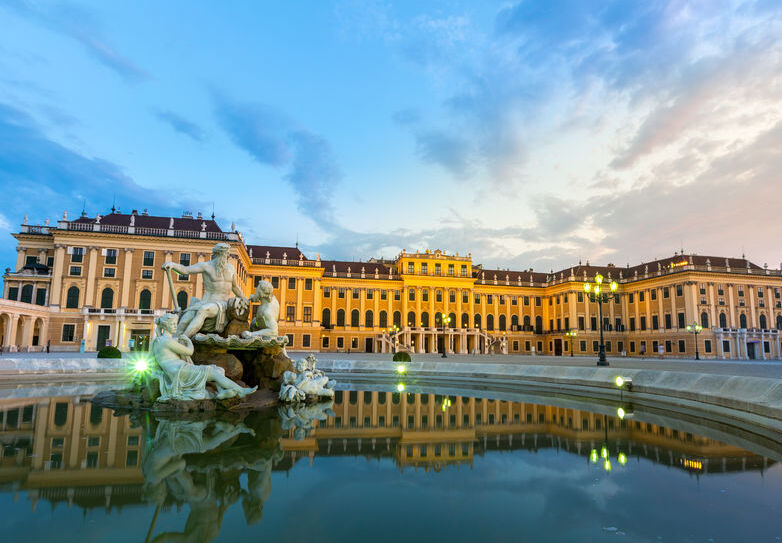

Stepping into Schönbrunn Palace is akin to entering a realm where history whispers through its opulent halls and lush gardens. Often referred to as Vienna's answer to Versailles, this magnificent palace has captivated visitors for centuries with its grandeur and rich legacy.
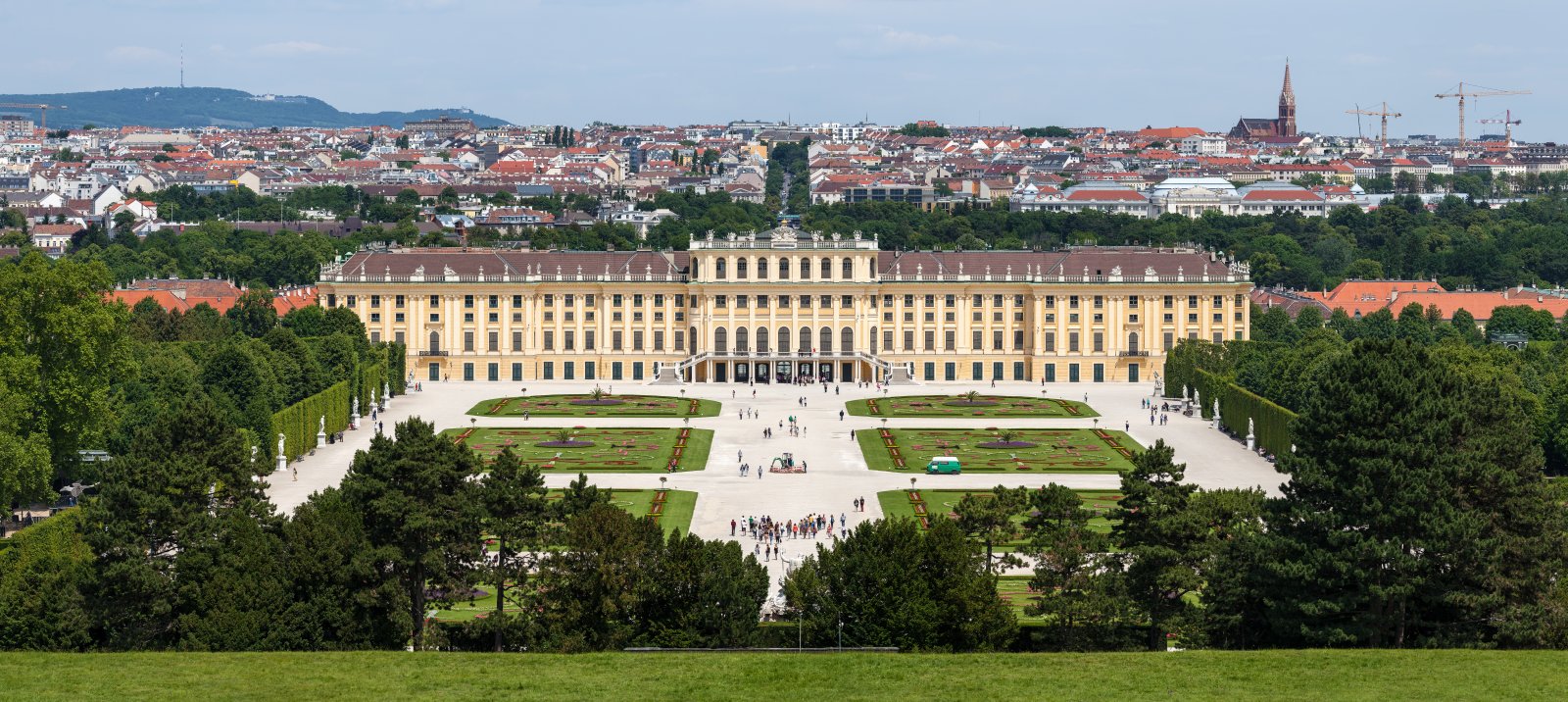
History and Origins
The origins of Schönbrunn date back to the 16th century when it began as a modest hunting lodge for Emperor Maximilian II. However, it was under the reign of Empress Maria Theresa in the 18th century that the palace was transformed into the spectacular baroque masterpiece we admire today. The extensive renovations began in 1743 and were completed in 1755, marking the beginning of its role as a summer residence for the Habsburgs.
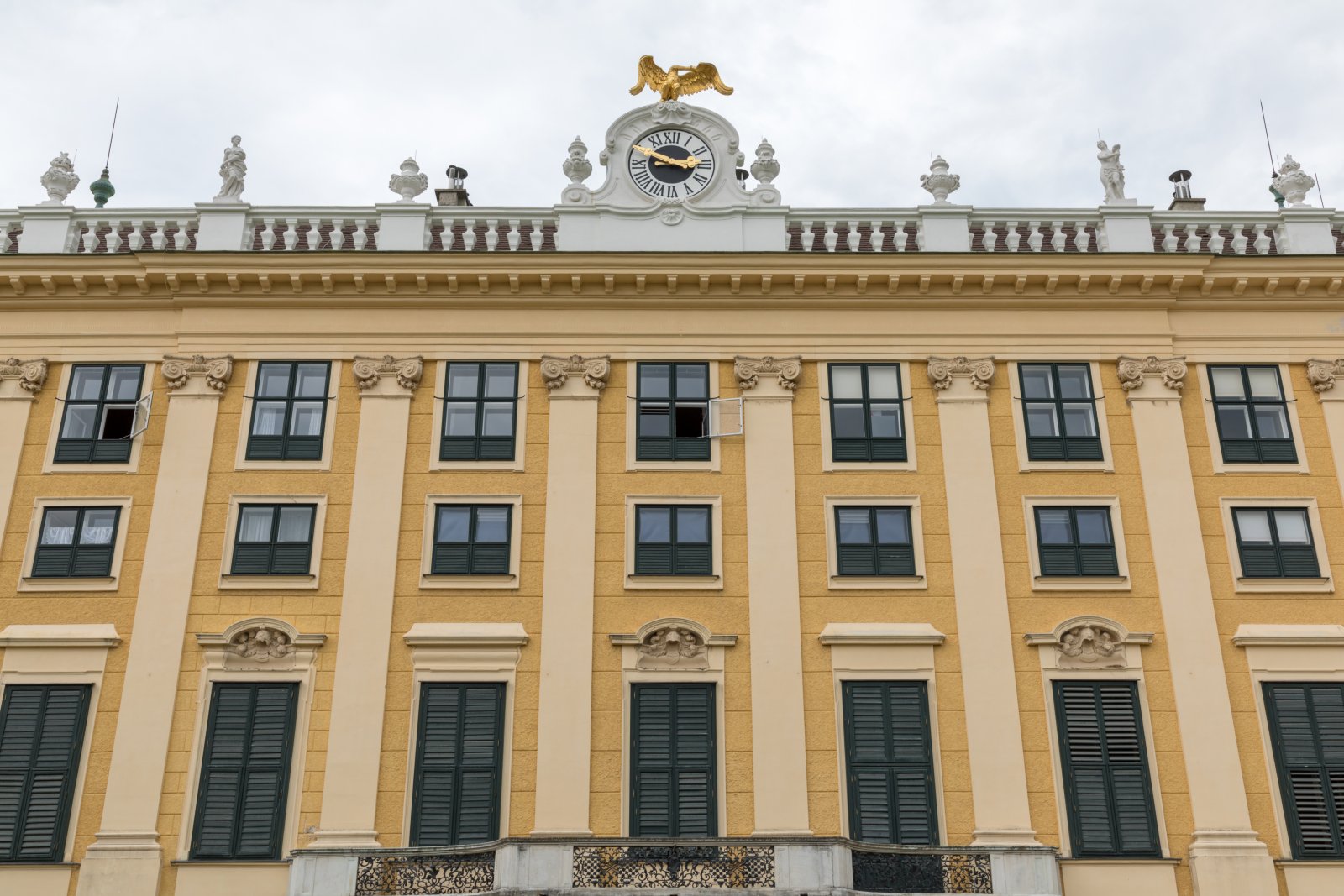
Throughout its history, Schönbrunn has witnessed significant events. It was where Napoleon Bonaparte stayed during his occupation of Vienna in 1805 and 1809. The palace also served as the backdrop for numerous imperial ceremonies and family gatherings, making it a vital part of the cultural fabric of the Habsburg dynasty until the monarchy's fall in 1918.
Art and Architecture
The architectural splendor of Schönbrunn is a testament to the baroque style that flourished in the 18th century. Designed by architects Johann Bernhard Fischer von Erlach and later Nicolaus Pacassi, the palace boasts 1,441 rooms, yet only 40 state rooms are open to the public, each revealing a glimpse into the opulence of imperial life.
Notable artworks adorn the walls, including paintings by Franz Xaver Messerschmidt and beautiful frescoes that grace the ceilings. The Great Gallery, with its stunning chandeliers and grand proportions, reflects the artistic significance of the palace, showcasing the wealth and taste of the Habsburgs. The Gloriette, a triumphal arch perched atop a hill behind the palace, not only serves as a striking architectural feature but also offers breathtaking views of the gardens and the city of Vienna.
Local Culture and Traditions
Schönbrunn Palace is not just a historical monument but also a vibrant center of culture. The gardens, with their meticulously manicured hedges and vibrant flowerbeds, host various events and festivals throughout the year. The annual Schönbrunn Palace Concerts, featuring classical music, attract both locals and tourists, celebrating Vienna's rich musical heritage.
Customs associated with the palace include the tradition of Easter markets held in the gardens, where visitors can enjoy local crafts and culinary delights. During the summer months, the palace grounds serve as a venue for outdoor movies and theatrical performances, blending history with contemporary culture.
Gastronomy
The culinary scene around Schönbrunn is equally rich. Close to the palace, you can find the renowned Café Residenz, where visitors can indulge in traditional Viennese pastries like Sachertorte and Apfelstrudel. Local delicacies, such as Wiener Schnitzel, can be savored at nearby eateries, giving you a taste of the region's gastronomic heritage.
For those interested in a unique dining experience, the Schönbrunner Tiergarten (Vienna Zoo) offers a restaurant where you can enjoy a meal while observing the animals, combining culinary pleasure with a delightful day out.
Lesser-Known Curiosities
Beyond the well-trodden paths, Schönbrunn is home to several lesser-known curiosities. For instance, the Palmenhaus (Palm House), a stunning example of late 19th-century architecture, houses exotic plants and is a hidden gem within the gardens. Many visitors overlook this architectural marvel, which features cast iron columns and glass walls that create a serene oasis.
Another fascinating tidbit is that Schönbrunn is home to the world's oldest zoo, established in 1752. The Tiergarten Schönbrunn is not only a UNESCO World Heritage site but also a sanctuary for endangered species, making it a must-visit for animal lovers.
Practical Visitor Information
The best time to visit Schönbrunn Palace is during the spring and autumn months when the gardens are in full bloom, and the weather is mild. Arriving early in the day can help you avoid crowds, allowing for a more intimate experience of the palace and grounds.
When exploring the palace, be sure to look for the exquisite Hall of Mirrors, a stunning space where the Habsburg family hosted extravagant balls. Additionally, take time to stroll through the gardens, where the Maze and the Fountain of Neptune are delightful surprises that offer both beauty and a bit of adventure.
For a truly personalized experience, consider using the Secret World app to help plan your itinerary and discover more hidden gems during your visit to Wien.


