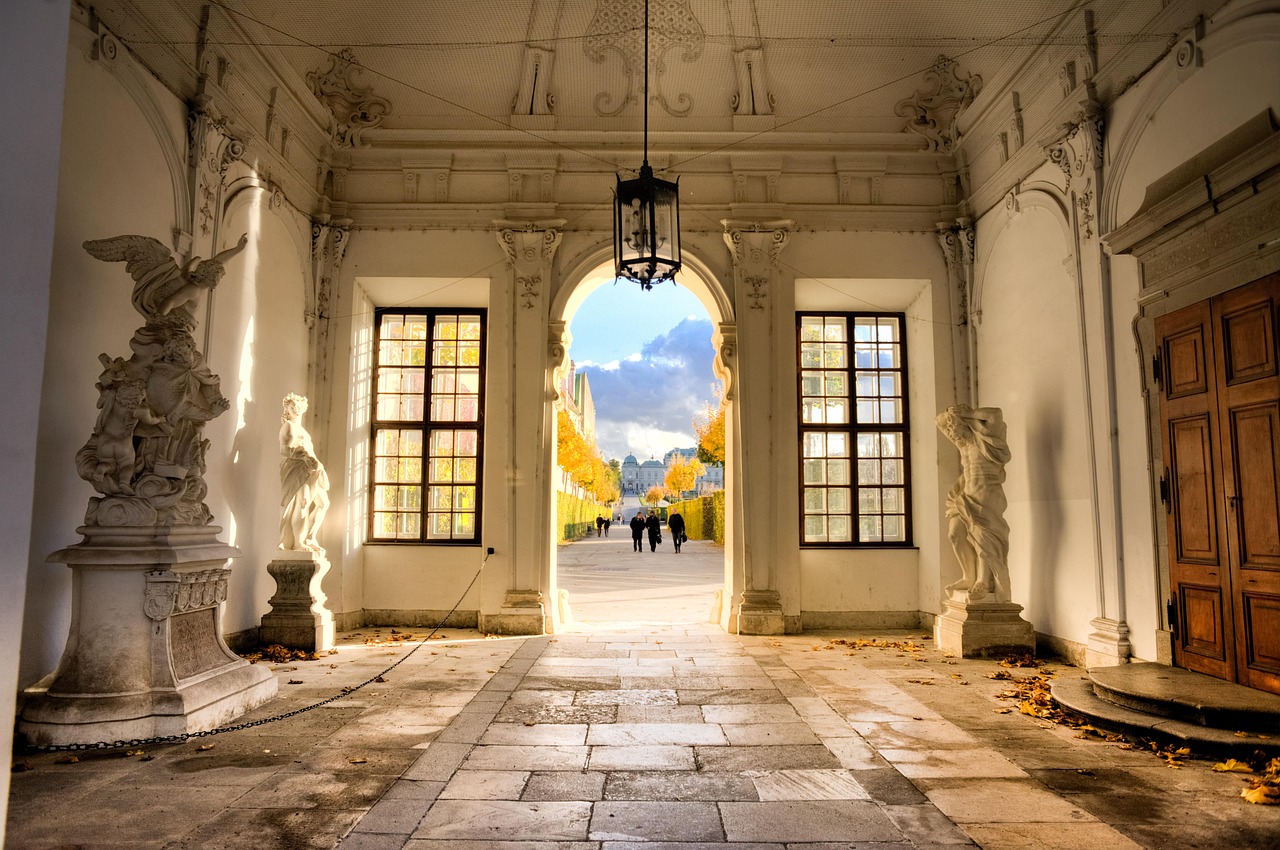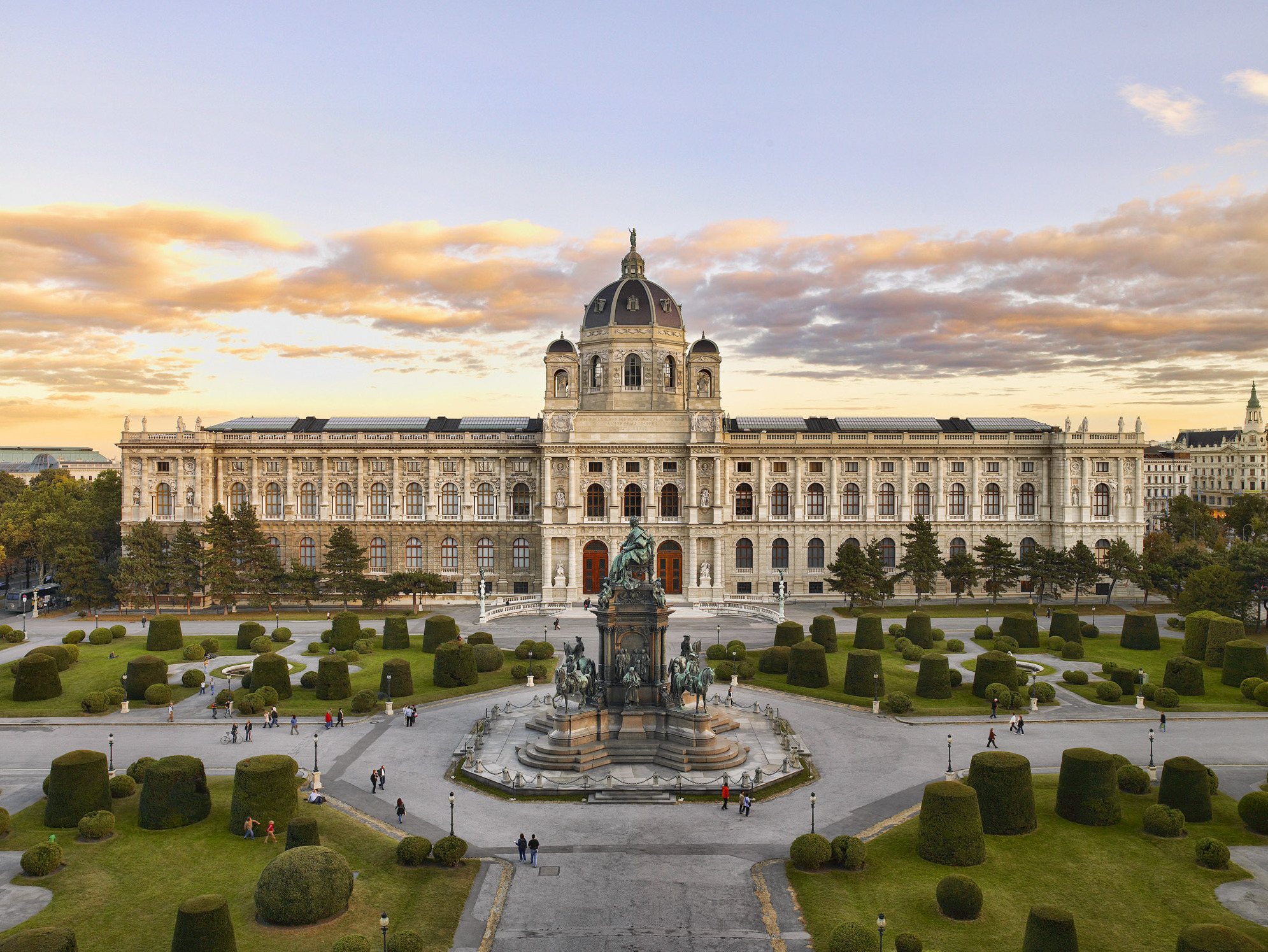

Nestled in the heart of Vienna, the Kunsthistorisches Museum stands as a monumental testament to the rich artistic heritage of Austria. Opened in 1891, this grand museum occupies a stunning neo-Renaissance structure on the Ringstraße, its imposing octagonal dome a striking feature against the Viennese skyline. The museum's establishment was a pivotal moment in the cultural history of Austria, as it housed the vast collections of the Habsburgs, one of Europe's most influential royal families.
The origins of the Kunsthistorisches Museum can be traced back to the late 19th century, a period marked by a burgeoning interest in art collections and the desire to showcase the wealth of the Habsburg dynasty. The museum was designed by architects Gottfried Semper and Karl von Hasenauer, who envisioned a space that would not only display art but also embody the grandeur of the monarchy. Construction began in 1871, culminating in a formal opening in 1891. The museum’s design is a blend of neo-Renaissance and Baroque elements, featuring grand staircases, opulent halls, and ornate ceilings adorned with frescoes.
Within its walls, the Kunsthistorisches Museum houses some of the most significant art collections in the world. Highlights include the Picture Gallery, which boasts works from legendary artists such as Jan van Eyck, Albrecht Dürer, Tintoretto, Rembrandt, Pieter Brueghel the Elder, and Peter Paul Rubens. One of the museum's most notable pieces is **Dürer's