
🎄 Win a month in Italy for two — €10,000 · The Secret Italy Prize GO →
Scolacium Archaeological Park — Strada Statale 106 Jonica
← Back
Historical Sites 📍 Strada Statale 106 Jonica, Italy 253 views

Scolacium Archaeological Park

The Park tells the story of Skylletion, the city of Magna Graecia, which became a prosperous Roman colony, Scolacium. The area, now expropriated, was part of the property of Barons Mazza and, before that, of the Massara di Borgia, owners of an oil production company. The site is...

Photo · Serena B.

Scolacium Archaeological Park — Strada Statale 106 Jonica, Italy.

Location
Strada Statale 106 Jonica
Type
Historical Sites
Opening hours
Weather now
↗ Directions

About Scolacium Archaeological Park

Scolacium Archaeological Park - Strada Statale 106 Jonica | Secret World Trip Planner

The Park tells the story of Skylletion, the city of Magna Graecia, which became a prosperous Roman colony, Scolacium.

The area, now expropriated, was part of the property of Barons Mazza and, before that, of the Massara di Borgia, owners of an oil production company.

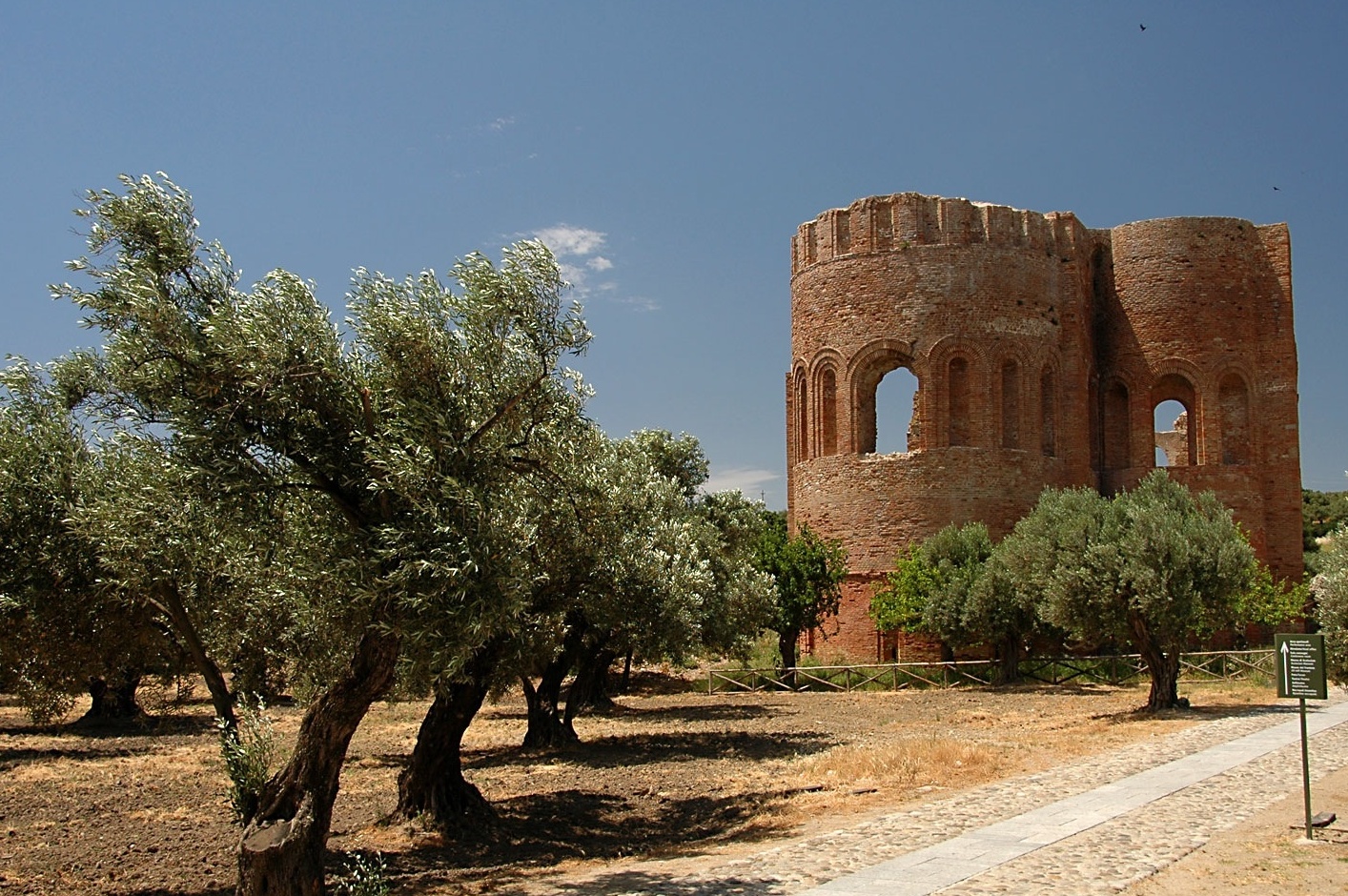
The site is immersed in a centuries-old olive grove that forms the green lung of the province of Catanzaro.

The findings in the area of the Park testify a frequentation since the lower and upper Palaeolithic period. Little known is the Greek settlement.

Legend has it that Menestheus, king of Athens, was the ecologist of Skylletion; in fact the foundation dates back to the 6th-5th century BC by Greek settlers from Athens or Croton. The chosen place, located along the isthmus route, on the Ionian coast and guarding the Gulf of Squillace, was strategic for the control of land and river routes and for trade with the whole Mediterranean basin.

The Roman colony of Scolacium, with its impressive remains, is the protagonist of the tour and represents a unique place in the Calabrian archaeological panorama. Deducted in 123-122 B.C., it was affected by interventions of the urban part and the whole territory through the division of the cultivable plots (centuriation). It prospered until the refounding by the Emperor Nerva, when it took the name of Colonia Minervia Nervia Augusta Scolacium and was further monumentalized. Today you can visit the Forum, with its unique brick pavement that has no equal in the Roman world and the remains of some buildings, including the Curia, the Cesareum and the Capitolium.

Not far from the square is the 3,500-seat theatre, set in the Greek style on a natural hill and the remains of the only Roman amphitheatre in Calabria. The city was also equipped with thermal baths, two aqueducts, fountains and necropolis.

The life of the colony ended around the VII-VIII century A.D., when the population moved, first to the heights of the theatre and then to today's Squillace, due to swamping phenomena that made the area inhospitable.

The Park preserves architectural remains that testify the frequentation of the site until the 12th century: the imposing Norman basilica, which welcomes and amazes visitors and suggests the importance of the place, a crucial junction for communication routes and relations with the territory, even in medieval times.

Inside the Park is the Museum where the results of the excavation campaigns are displayed with an exhibition that traces the history of the city through finds that document ancient life in every aspect. The museum preserves an important cycle of Roman statuary and portraits. Finally, there is an extraordinary artefact: the colossal bronze forearm. The visit ends with an interesting industrial archaeology tour: still intact, in fact, the oil mill, built in 1934 by the Mazza family.

✦ Secret World · suggested day

A perfect day in Strada Statale 106 Jonica

Start with Scolacium Archaeological Park, then continue with nearby places selected by Secret World.

  1. 01
    Morning
    Scolacium Archaeological Park
    📍 Strada Statale 106 Jonica
    Start here
  2. 02
    Afternoon
    📍 0 km away
  3. 03
    Evening
    📍 7.4 km away

Collect this place

Turn places you discover into stamps in your Secret Passport.

Open Secret Passport →

Keep exploring · Strada Statale 106 Jonica

Frequently Asked Questions

Scolacium was originally the Greek city of Skylletion, founded in the 6th-5th century BC by settlers from Athens or Croton in a strategic location along the Ionian coast. It became a prosperous Roman colony when deducted in 123-122 BC and was further monumentalized under Emperor Nerva, taking the name Colonia Minervia Nervia Augusta Scolacium, before being abandoned around the 7th-8th century AD.
Visitors can explore the impressive Forum with its unique brick pavement unmatched anywhere in the Roman world, along with remains of the Curia, Cesareum, and Capitolium. The site also features a 3,500-seat Greek-style theatre built on a natural hill, the only Roman amphitheatre in Calabria, thermal baths, two aqueducts, fountains, and necropolis areas.
The park is situated in the province of Catanzaro in Calabria, Italy, positioned strategically along the isthmus route on the Ionian coast overlooking the Gulf of Squillace. The site is nestled within a centuries-old olive grove that serves as the green lung of the province.
Yes, the archaeological park is open to tourists and offers a unique opportunity to explore one of Calabria's most significant Roman sites with its well-preserved remains. The immersive setting within an ancient olive grove provides an authentic atmosphere for experiencing both Greek and Roman history in one location.
The Forum features a distinctive brick pavement that is unique and has no equal anywhere in the Roman world, making it one of the most remarkable archaeological features of the site. This exceptional craftsmanship, combined with the surrounding monuments like the Curia and Capitolium, makes it a standout attraction in the Calabrian archaeological landscape.

Experiences nearby · Strada Statale 106 Jonica

Powered by Viator

See more on Viator.com

Secret World Hidden places, real stories — plan your trip
Get the app
