
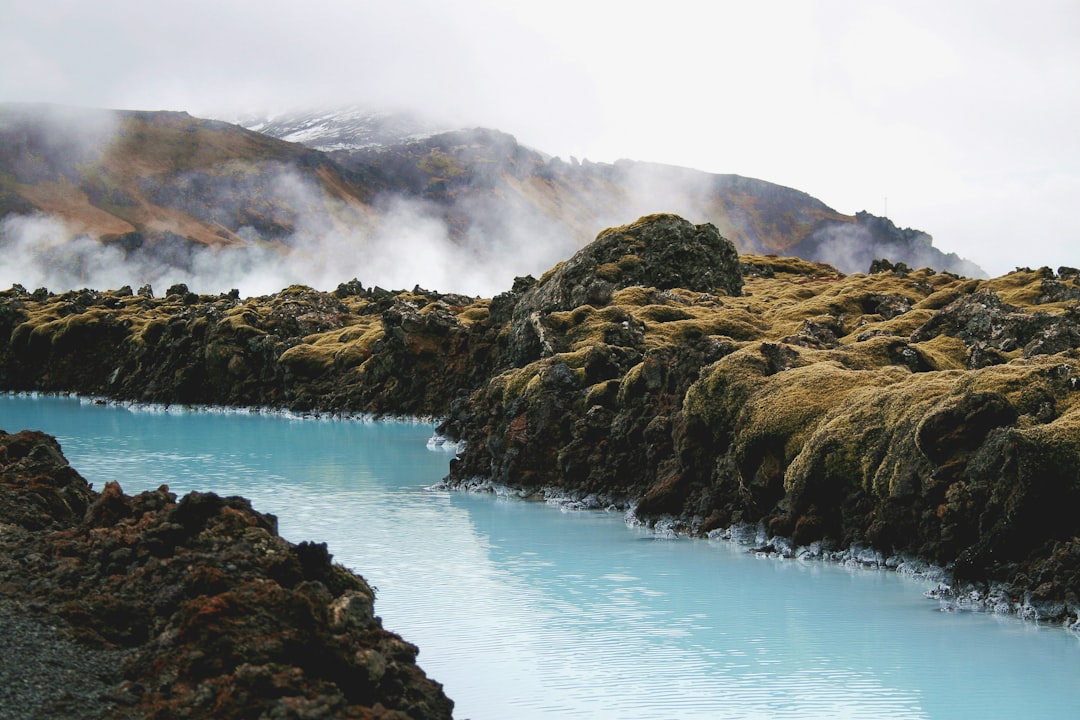

A plume of steam rises into the cold air as you approach the shore of the Secret Lagoon, the geothermal pool of Flúðir, a small farming village in the Hvítá valley, about 120 kilometers east of Reykjavík. The water, naturally maintained between 38 and 40 degrees Celsius, slowly bubbles at the edges of the basin, where small geysers and fumaroles dot the ground like silent witnesses to an ever-present volcanic activity.

Built in 1891, the Secret Lagoon is considered the oldest operating pool in Iceland. Having fallen into disuse for decades, it was restored and reopened to the public in 2014, reclaiming its original structure without transforming it into a luxury resort. This has preserved an authentic atmosphere that distinctly sets it apart from the more commercial spa facilities in the country.
A thermal experience without artifice
Diving into the Secret Lagoon means confronting nature before comfort. The bottom of the pool is uneven, partly sandy and partly rocky, and the water has a slight yellowish cloudiness due to dissolved sulfur minerals. There are no artificial waterfalls, background music, or spa treatments: just the warm water, steam, and the landscape of the Icelandic countryside around you.
Along the perimeter of the basin, a short path allows you to closely observe the minor geysers that erupt regularly every few minutes, spraying boiling water a short distance from visitors. It is a spectacle that continuously repeats and physically reminds you of how thin the boundary is between the walkable surface and the geothermal energy flowing beneath. The contrast between the outside air — often below ten degrees even in summer — and the water temperature amplifies the feeling of muscular well-being after just a few minutes of immersion.

Dimensions and atmosphere compared to the Blue Lagoon
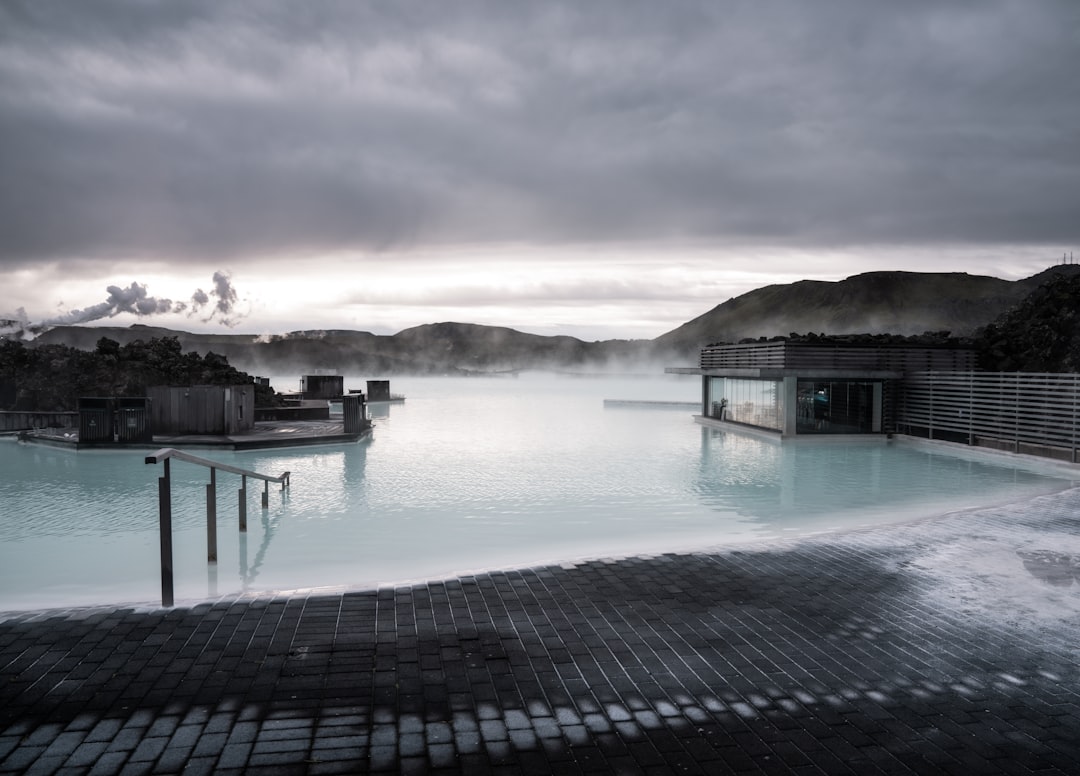
The surface of the pool is relatively small, with a maximum capacity that does not exceed a few dozen people at a time. This makes it structurally different from the Blue Lagoon in Grindavík, which hosts thousands of visitors daily and requires reservations months in advance. At the Secret Lagoon, access is more direct, the environment is less crowded, and the surrounding landscape — open fields, low hills, wide sky — replaces the architecturally designed structures.

The entrance ticket price is around 15-20 euros for adults, a significantly lower amount compared to the main geothermal attractions in Iceland. Changing rooms and showers are available, but the facilities remain basic: the financial investment here goes entirely to the water experience, not to wellness architecture.
How to get there and when to visit

Flúðir can be reached by taking Route 30 southeast from Selfoss, or by incorporating the visit into the so-called Golden Circle, the tourist circuit that includes Þingvellir National Park, the Strokkur geyser, and the Gullfoss waterfalls. The Secret Lagoon is located less than thirty minutes from Gullfoss, making it a logical stop for those traveling this itinerary.
The most useful practical advice concerns the timing: arriving in the early morning or late afternoon reduces the likelihood of finding the pool crowded, especially during the summer months from June to August. In winter, visiting in the evening offers the chance to soak in the warm water while the sky above Flúðir turns green for the northern lights — a combination that requires no further adjectives to describe.
The value of not being famous
What makes the Secret Lagoon interesting from a traveler's perspective is precisely its marginal position compared to the major circuits of Icelandic mass tourism. It is not included in international advertising campaigns, it does not have a global brand, it does not require a dress code or a reservation six months in advance. It is a geothermal pool built in the nineteenth century in an agricultural village, remaining so even after the restoration.
The steam rising from the water, the geysers erupting just a few steps away, the constant temperature maintained by the geology of the place without artificial heat pumps: these are physical, observable details that tell something real about Iceland. Not the glossy version sold in brochures, but the one that existed before tourism became the country's second industry.


