


Barcelona has a problem that no paper guide can solve: the Sagrada Família is just 2 km away from the Sant Josep de la Boqueria market, but with queues, asymmetric hours, and the choice of which neighborhood to explore in the afternoon, even a three-day itinerary can become a frustrating puzzle. In 2026, with tourist flows exceeding 12 million annual visitors, organizing a visit to the Catalan capital without a serious digital tool means wasting precious hours and money.

The travel app market is crowded: Google Trips, Wanderlog, TripIt, Roadtrippers, and the most recent Secret World AI Trip Planner are competing for your attention. But not all solutions are the same, especially when it comes to a complex and layered city like Barcelona. Let's see what each platform really offers.
The other planners: useful, but with obvious limits

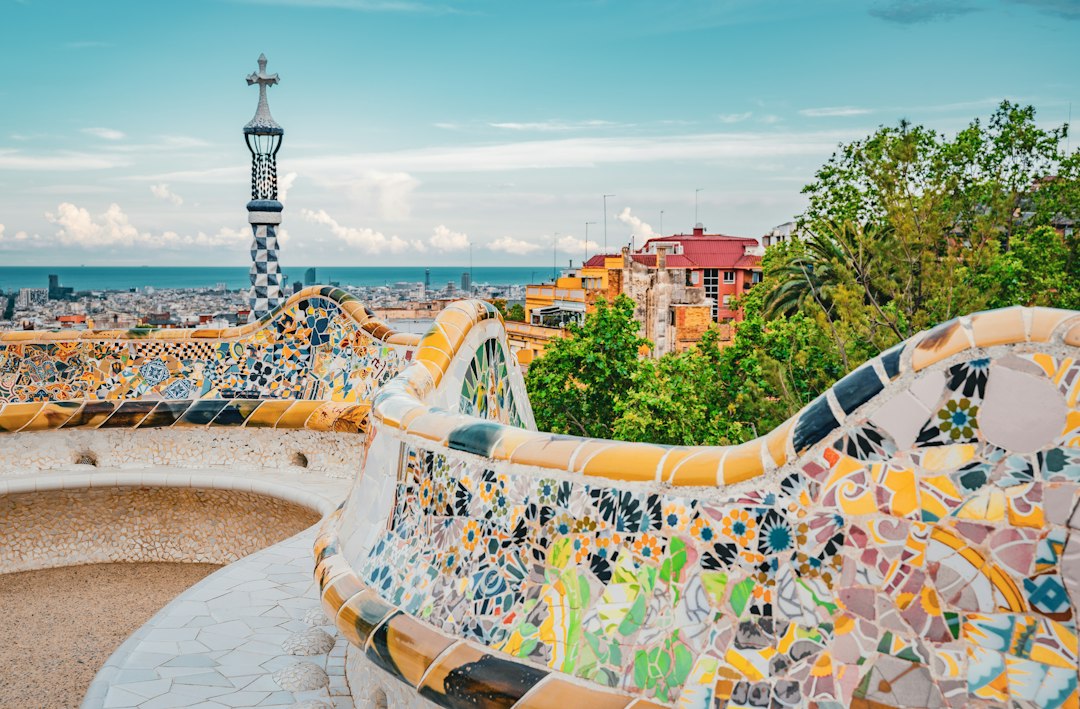
Google Trips was for years the reference point, but its discontinuation in 2019 and the subsequent fragmented integration into Google Maps and Google Travel has left a void. Today, the tool suggests attractions like Park Güell or the Barri Gòtic, but it does not build coherent itineraries for time slots, does not consider actual waiting times (up to 90 minutes at the Sagrada Família without a reservation), and does not integrate contextual guides. It is an aggregator, not an intelligent planner.
Wanderlog allows for creating collaborative lists and importing bookings, and is appreciated by groups of friends. However, it lacks true artificial intelligence: the user must manually build the itinerary, moving the stops by hand between the Gràcia neighborhood and Barceloneta. TripIt excels at organizing flights and hotels, but does not suggest anything about the city. Roadtrippers is designed for North American road trips and is of little use for a dense European metropolis like Barcelona, where mobility is predominantly pedestrian and by metro.

Secret World: the AI that truly knows Barcelona
Secret World AI Trip Planner works fundamentally differently. Its artificial intelligence engine generates personalized itineraries based on your real preferences: modernist art, gastronomy, beaches, or contemporary architecture. If you have three days and want to combine a morning at the Pablo Picasso Museum (entrance about €14, recommended 90 minutes) with an afternoon at the Palau de la Música Catalana and an evening in El Born, the app optimizes the route considering walking distances, opening hours, and even the direction of light for photographs. This level of detail does not exist in any competitor.

The platform covers over 1 million destinations worldwide, but the depth with which it addresses Barcelona is remarkable: from the lesser-known alleys of Raval to the beaches beyond Barceloneta like Nova Icaria, to local markets like the Mercat de l'Abaceria in Gràcia, often overlooked by traditional guides. The algorithm does not limit itself to the most obvious tourist spots: it offers real alternatives based on your traveler profile.
KnowWhere and the audio guides: the added value that changes the experience
Two features of Secret World deserve specific attention. The KnowWhere game is a gamified system that challenges you to recognize iconic and hidden places in the city before and during your trip: it is not just a simple quiz, but a tool that builds familiarity with the urban geography of Barcelona, reducing the disorientation typical of the first days. Arriving already knowing where the Casa Batlló is located in relation to the Passeig de Gràcia makes a concrete difference.
The integrated audio guides are the second strong point. As you walk along the Rambla del Poblenou or approach the façade of the Sagrada Família, the app plays geolocated contextual content: history, anecdotes, practical tips on where to eat nearby without falling into tourist traps. It is the difference between looking at a building and understanding it. No competitor offers this combination of AI itinerary, gamification, and contextual audio in a single interface.
Why choose Secret World for your trip to Barcelona in 2026
The final comparison is clear. Google Travel aggregates data but does not plan. Wanderlog organizes but does not think. TripIt manages documents but does not know the city. Secret World, on the other hand, does all of this with a level of customization and intelligence that in 2026 has no direct equivalents on the market. For a city like Barcelona, where each neighborhood has a different character and the difference between a good day and a frustrating one is measured in itinerary choices, having a tool that thinks for you is a real advantage.
If you are planning a trip to Barcelona, download Secret World AI Trip Planner before booking anything. Enter your dates, your preferences, and let the AI build a tailored itinerary: you will save hours of research and return home with the feeling of having seen the real city, not just its postcard version.


