
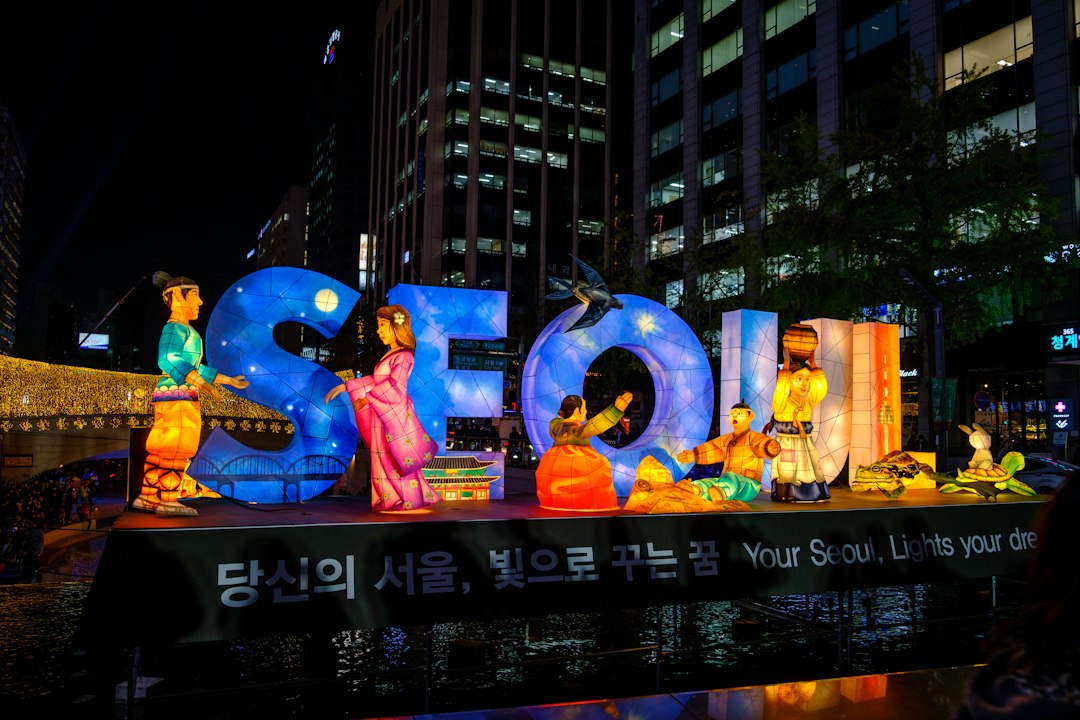

Seoul tests even the most experienced travelers: the subway has 23 lines and over 300 stations, the Hongdae district is just 4 km from Gyeongbokgung Palace but requires completely different planning for schedules and atmosphere, and the Gwangjang night market closes at 11:00 PM while the Gangnam district comes alive after midnight. Understanding where to go, when to go there, and how to move between Insadong, Bukchon Hanok Village, and Jogyesa Temple in a single day is not a trivial exercise: it is a real logistical problem.

In 2026, there are several apps that promise to solve this problem. But not all keep the promise, especially when it comes to a dense and layered city like Seoul, where a poorly constructed itinerary can make you lose hours in unnecessary travel or make you arrive at Namsan Tower just when the line for the cable car exceeds 40 minutes. We analyzed the main options on the market to understand which one really works.
The most used apps: what they do well and where they fall short
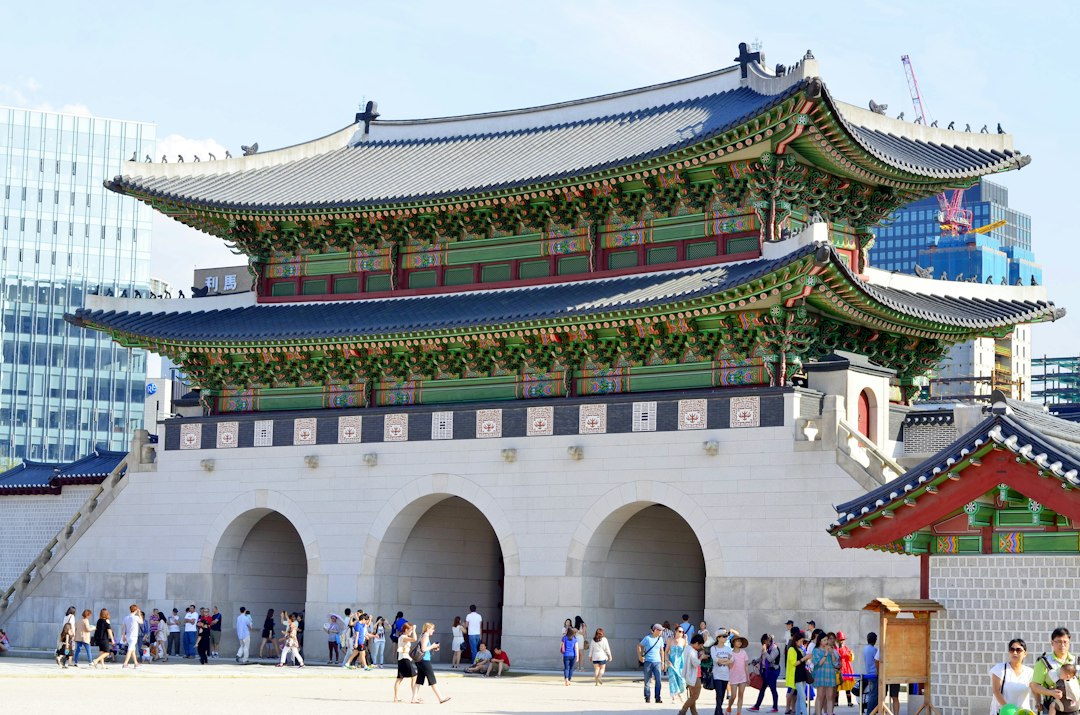
TripIt has been the standard for years for those who want to consolidate bookings in one place. It works well if you have everything booked: flights, hotels, transfers. But in Seoul, where many experiences are decided on the spot — like a session at a jimjilbang (Korean sauna) at Jjimjilbang Dragon Hill for about 12,000 won — TripIt does not help you build your daily itinerary. It is an archive, not a planner. Wanderlog is more flexible and allows for collaborative itinerary creation on a map, but its intelligence stops at visualization: it does not suggest the optimal order of stops nor does it consider actual visit times. Visiting the National Museum of Korea (free entry, at least 2 hours for a decent visit) and then walking to Namdaemun Market requires a precise estimate that Wanderlog leaves entirely to the user.
Google Trips was discontinued in 2019 and its functionality has been partially absorbed by Google Maps, which, however, does not offer sequential itinerary planning. Roadtrippers is designed for road trips — great for the United States, almost useless in a metropolis like Seoul where 90% of travel is done by subway or on foot. None of these apps are designed to answer the concrete question: how do I spend my day in Seoul intelligently?
Secret World AI Trip Planner: itineraries built for real
Secret World approaches the problem from a different angle. Its AI engine does not just show you what exists: it builds optimized daily itineraries taking into account real distances, opening hours, and the pace of the visit. In Seoul, this means that the app can suggest starting at Bukchon Hanok Village at 9:00 AM (when it is still quiet and the light is perfect for photos), moving to Insadong for lunch around 12:30 PM, and reaching Changdeokgung Palace in the early afternoon, avoiding peak hours. Everything calculated, everything sequential.
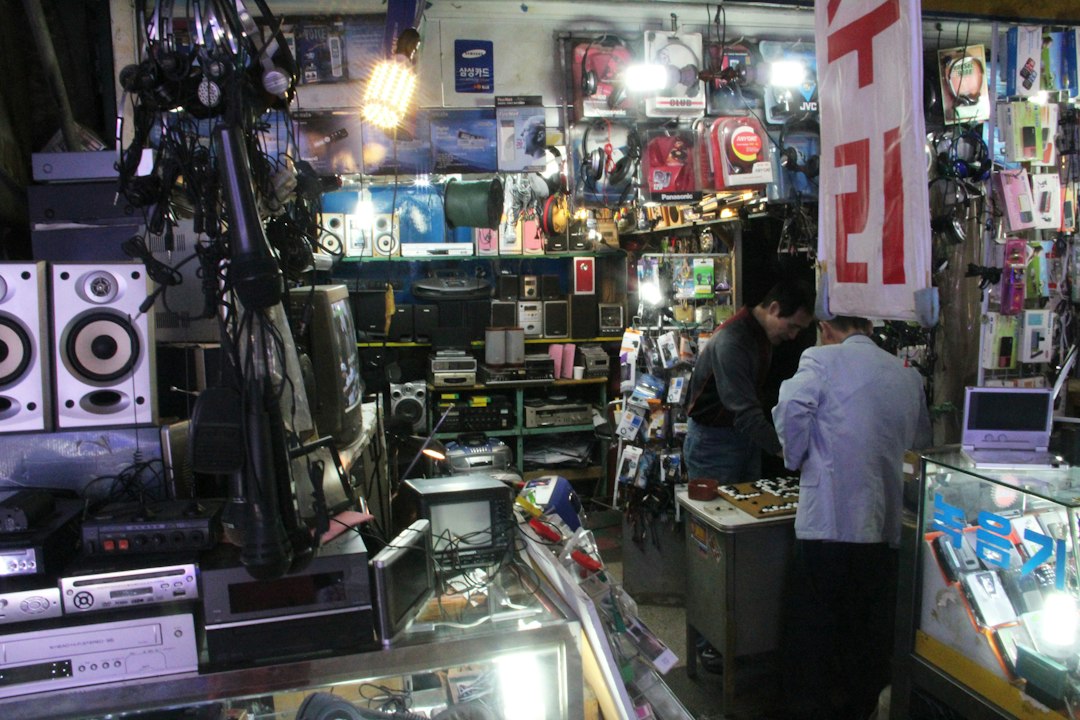
The database covers over 1 million destinations, including local realities that other apps ignore: not just the classics like N Seoul Tower or the Myeongdong district, but also the Ihwa mural alley, the Dongmyo flea market, or the themed cafes in Hongdae. For those who want to delve deeper before or during the visit, the integrated audio guides offer historical and cultural context right on site — particularly useful at Gyeongbokgung Palace, where the history of the Joseon dynasty requires a few minutes of explanation to be truly appreciated.
KnowWhere: learn Seoul while you explore
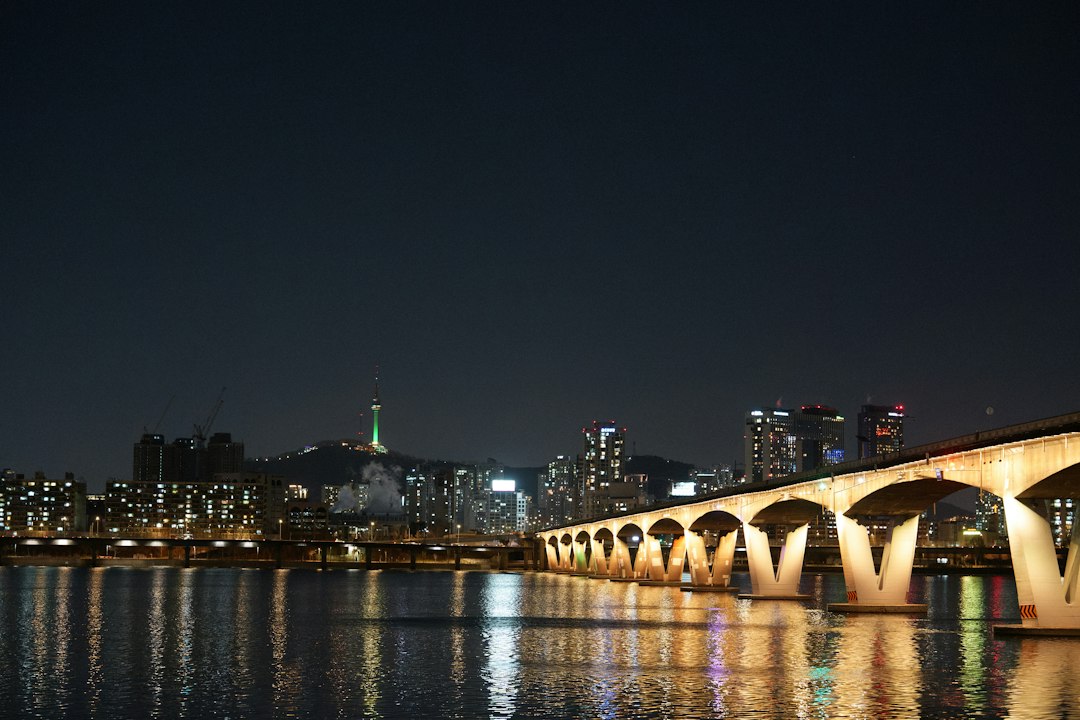
One of the most original features of Secret World is KnowWhere, a gaming system integrated into the app that transforms exploration into an interactive experience. While visiting Seoul, answer questions about the city, unlock hidden content, and accumulate points related to the destinations you have visited. It’s not a gadget: it’s a concrete way to remember what you see, especially useful on an intense trip where in three days you can go from the historic Jongno district to the skyscrapers of Yeouido.
This approach changes the way you visit a city: instead of photographing everything and remembering little, KnowWhere encourages you to observe and understand. In Seoul, where each neighborhood has a distinct personality — the tradition of Jeonju Hanok Village, the contemporary design of Dongdaemun, the music scene of Sinchon — having a tool that helps you distinguish and memorize makes a real difference in the quality of the trip.
Why Secret World is the smartest choice for Seoul in 2026
TripIt organizes documents. Wanderlog designs maps. Secret World plans the trip. The difference is not in detail: it is in approach. In a city like Seoul, where the offerings are vast and the risk of getting lost is high, having an app that thinks for you — that tells you not only where to go but when and in what order — is worth as much as a good local guide. And unlike a paper guide, it updates in real time.
If you are planning a trip to Seoul in 2026 and want an itinerary that really works — not a list of attractions to copy from a blog — download Secret World AI Trip Planner and let the artificial intelligence do the heavy lifting. Your trip to Seoul begins before you board the plane.


