


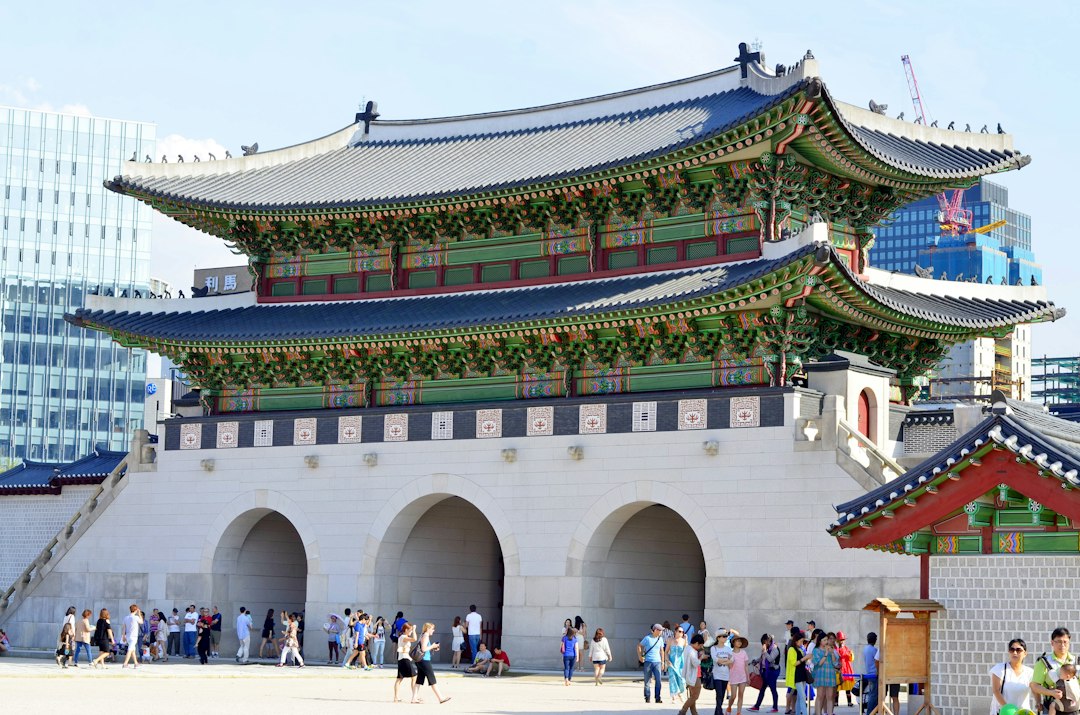
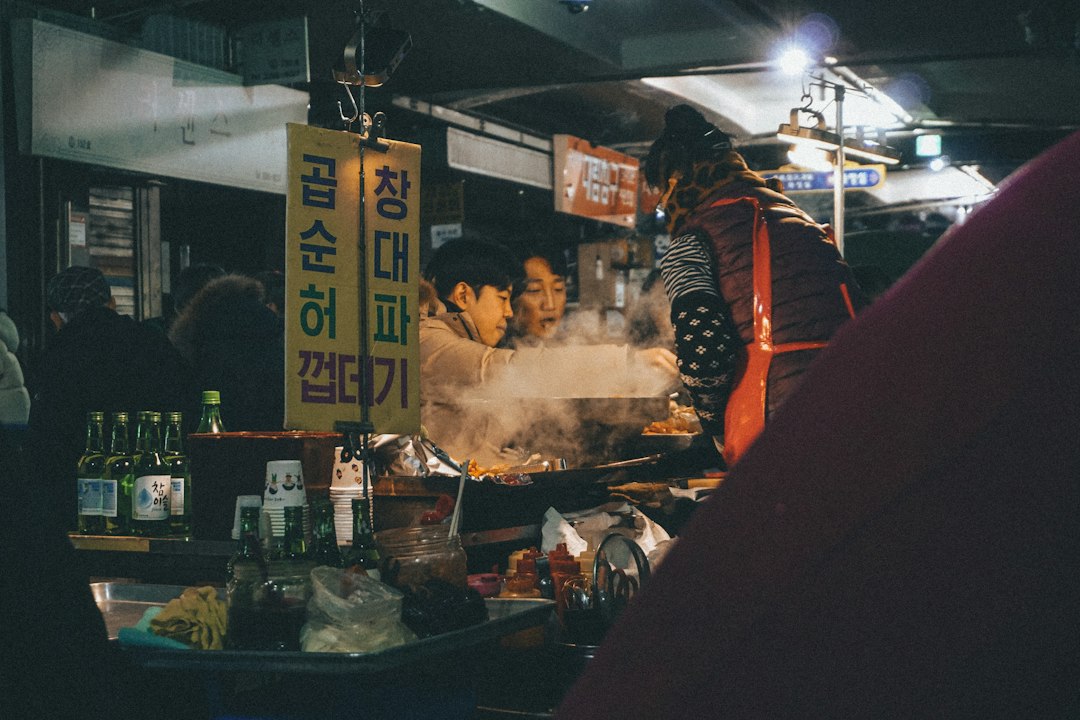
Gyeongbokgung Palace opens at 9:00 AM, but if you do not book in advance for the 10:00 AM changing of the guard, you risk finding a 40-minute line. Gwangjang Market closes at 11:00 PM, but the best bindaetteok stalls are already empty by 9:30 PM. Bukchon Hanok Village is reachable on foot from Anguk Station in 7 minutes, but without a precise itinerary, you can easily lose an hour among identical alleys. Planning a trip to Seoul in 2026 means managing a city of 10 million inhabitants with a cultural, gastronomic, and logistical density that challenges even the most experienced travelers.

The good news is that there are apps specifically designed for this. The bad news is that not all of them really work. After testing the main solutions available on the market, a fairly clear picture emerges: some apps organize documents well, others suggest interesting places, but very few manage to do both with adaptive intelligence. Here is an honest analysis of the most common options, with a conclusion that points straight to the most comprehensive solution available today.
The most popular apps: what works and what doesn't

TripIt is a solid tool for those who want to aggregate email bookings in one place. It works well for flights, hotels, and transfers, but stops there. In Seoul, where the real experience is built between neighborhoods — from Hongdae to Itaewon, from Myeongdong to Insadong — TripIt offers no contextual suggestions. It doesn't know that between Gyeongbokgung and Changdeokgung there are only 1.2 km on foot, nor that visiting both in the morning leaves the afternoon free for Bukchon without excessive fatigue. It is an archive, not a planner.
Wanderlog is more focused on actual planning, with collaborative maps and lists of places. It works decently for road trips or multi-city itineraries, but lacks depth in local information. Google Trips, effectively discontinued and absorbed into Google Maps and Google Travel, offers generic suggestions without real personalization. Roadtrippers is primarily designed for road trips in North America and is almost irrelevant for a metropolis like Seoul, where mobility is dominated by subway, taxi, and walking.
The common problem: intelligence without local context
The shared limitation of these apps is structural: they collect data, but do not reason. They do not understand that the Lotte World Tower (555 meters, observation deck ticket about 27,000 won) is better visited at sunset to enjoy the view of the Han River with the right light. They do not know that the Seongsu district — the Brooklyn of Seoul — is livelier on weekend mornings, when independent coffee shops open and lines have not yet formed. They do not integrate real travel times with the subway, which in Seoul is very efficient but requires planning to avoid unnecessary transfers.
A good travel planner in 2026 must do much more than list places. It must build logical sequences, take into account opening hours, suggest alternatives when something changes, and do so in a way that the traveler feels they have a local expert by their side — not a generic algorithm.
Secret World AI Trip Planner: why it really works

Secret World AI Trip Planner approaches the problem from a completely different angle. The integrated artificial intelligence engine builds personalized itineraries based on the user's real preferences — pace of visit, interests, budget, mobility — and optimizes them geographically. For Seoul, this means itineraries that respect the logic of the city: it doesn't send you from Gangnam to Bukchon and then back to Gangnam on the same day. It groups experiences by area, respects opening times, and suggests optimal time windows for each attraction.
The database covers over 1 million destinations worldwide, with detailed cards that include downloadable audio guides — essential in a city like Seoul where connectivity is not always guaranteed in the more traditional areas. The KnowWhere feature, an interactive game integrated into the app, turns the discovery of new places into an engaging experience: you learn where Jogyesa Temple or Namdaemun Market is while planning, not after getting lost. The context-aware audio guides activated by GPS location add a level of storytelling that none of the competing apps offer.
Seoul deserves a planner worthy of its complexity
Seoul in 2026 is a city in constant evolution: new neighborhoods are emerging, cultural spaces are changing their programming, Michelin-starred restaurants are opening in unexpected areas like Euljiro or Mangwon. A static app cannot keep up. Secret World continuously updates its database and adapts suggestions in real-time, making it the most reliable tool for those who want to experience Seoul deeply, not just skim the surface.
If you are planning a trip to Seoul and want an itinerary that truly takes into account how the city works — from the 15-minute subway ride between Hongdae and Sinchon to the 3 euros for a fresh gimbap at Gwangjang — download Secret World AI Trip Planner and start building your journey with the most advanced artificial intelligence available today for travelers. Not an archive of bookings. A true travel companion.


