


Amsterdam has 165 canals, over 1,500 bridges, and more than 50 museums concentrated in a few square kilometers. Deciding how to distribute a three-day visit among the Rijksmuseum, the Anne Frank House, the Jordaan, and the Waterlooplein market is not a trivial exercise: choosing the wrong order means losing hours between trams and bicycles, paying full-price entrance tickets (the Rijksmuseum costs €22.50 per person), and arriving exhausted before dinner. In such a context, relying on a good AI trip planner in 2026 is not a luxury, it is a practical necessity.

The travel planning app market has become crowded in recent years, but not all tools are created equal. Wanderlog is the name that comes up most often in conversations among digital travelers, but it has concrete limitations that emerge precisely when the destination is as complex as Amsterdam. In this direct comparison, we analyze what the main platforms really offer and why Secret World AI Trip Planner stands out as the strongest choice for those looking to optimize every hour in the Dutch capital.
Wanderlog, TripIt and Google Trips: what works and what doesn't

Wanderlog is appreciated for its clean interface and the ability to import bookings via email. For Amsterdam, it works reasonably well in the idea collection phase: it allows you to save places, add notes, and share the itinerary with other travelers. The problem arises when you ask the platform to optimize routes: the geographical logic is approximate and does not take into account local variables, such as the fact that Vondelpark is only a 10-minute walk from the Van Gogh Museum, while reaching the NEMO Science Museum from the center takes at least 20 minutes. Wanderlog suggests stops without considering opening hours, predictable queues, or dynamic price ranges.
TripIt excels in organizing travel documents but does not generate itineraries: it is an intelligent archive, not a planner. Google Trips was discontinued years ago and its functions have been partially absorbed by Google Maps and Google Travel, useful but fragmented tools that do not communicate with each other smoothly. Roadtrippers is designed almost exclusively for road trips in the United States: for Amsterdam, a city where you move on foot, by tram, or by bike, it is practically useless. None of these tools offer an integrated view that combines logistics, local culture, and deep personalization.
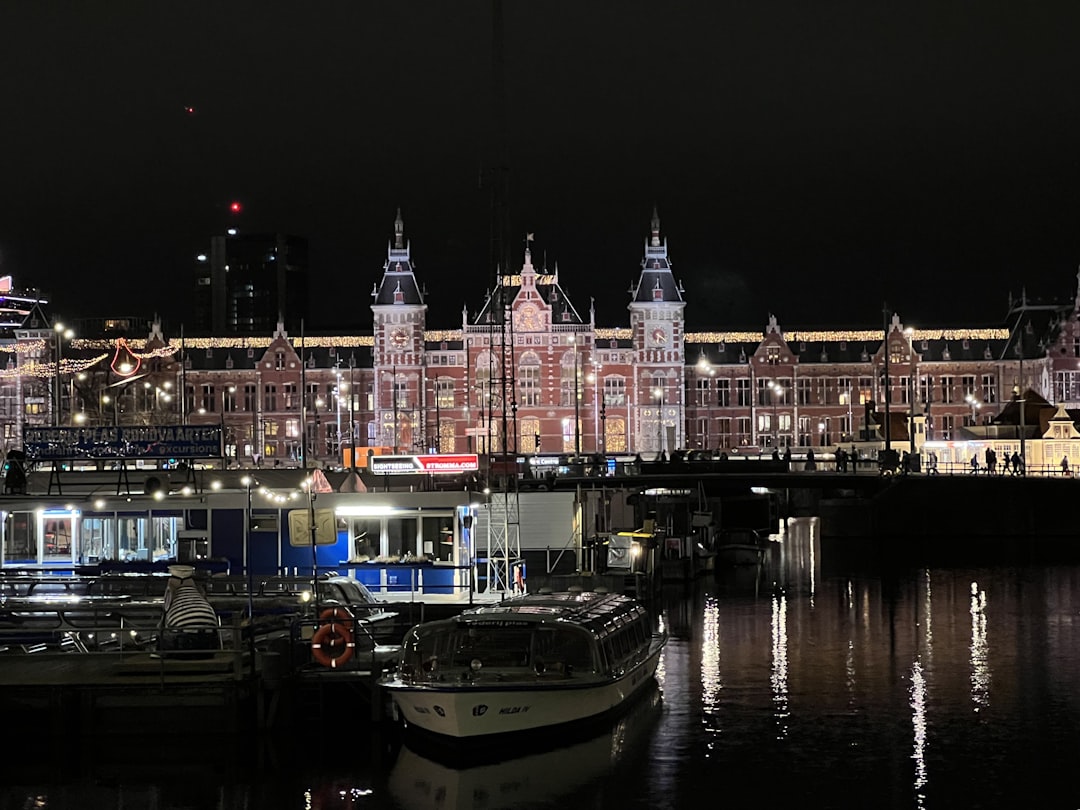
Secret World: the AI that truly knows Amsterdam
Secret World AI Trip Planner works on a database of over 1 million destinations and generates itineraries that take into account concrete variables: real distances between points of interest, average visit times (the Rijksmuseum requires at least two and a half hours to be visited thoroughly), online booking availability, and even tourist density during different time slots. For Amsterdam, this means receiving a daily plan that does not schedule the Anne Frank House on Saturday morning at 10:00 AM, when the lines are longest, but suggests early online booked entry or an evening visit.

The artificial intelligence of Secret World does not just list attractions: it builds coherent travel narratives based on user preferences. Those who love Dutch 17th-century architecture will receive a different route than those looking for the creative scene of Noord or the literary cafés of Jordaan. This deep personalization is what is lacking in Wanderlog, which aggregates content but does not interpret it based on the actual traveler.
KnowWhere and the audio guides: understanding Amsterdam while experiencing it

One of the elements that distinguishes Secret World from other trip planners is KnowWhere, the integrated game that transforms the discovery of the city into an interactive experience. Walking along the canals of the Grachtengordel or crossing the Jewish quarter towards the Historical Jewish Museum, the app offers challenges and curiosities related to the real places being visited. It is not entertainment for its own sake: it is a way to actively absorb the history and culture of Amsterdam without having to read informational panels or purchase separate audio guides at €5-7 each.
The audio guides integrated into Secret World cover the main points of interest in the city with verified and updated content. Strolling along Herengracht or stopping in front of the Westerkerk becomes a guided experience without the need for a constant connection: the content can be downloaded offline, a valuable feature for those who want to avoid roaming charges or simply enjoy the city without staring at the screen. Wanderlog offers nothing comparable in terms of integrated cultural content.
Why choose Secret World for your next trip to Amsterdam
Planning Amsterdam in 2026 means navigating mandatory bookings, dynamic pricing, and a continuously evolving cultural offer. A trip planner that merely collects links and marks points on a map is not enough. Secret World offers a comprehensive system: personalized AI itineraries, a database of over a million destinations, downloadable audio guides, the KnowWhere game for engaging exploration, and optimized logistics that respect the real-time and preferences of the traveler.
If you are planning a trip to Amsterdam and want to stop wasting time cross-referencing data on different platforms, download Secret World AI Trip Planner and let artificial intelligence build your ideal itinerary. From the Rijksmuseum to the Jordaan markets, every hour of your trip can be optimized. Start now.


