
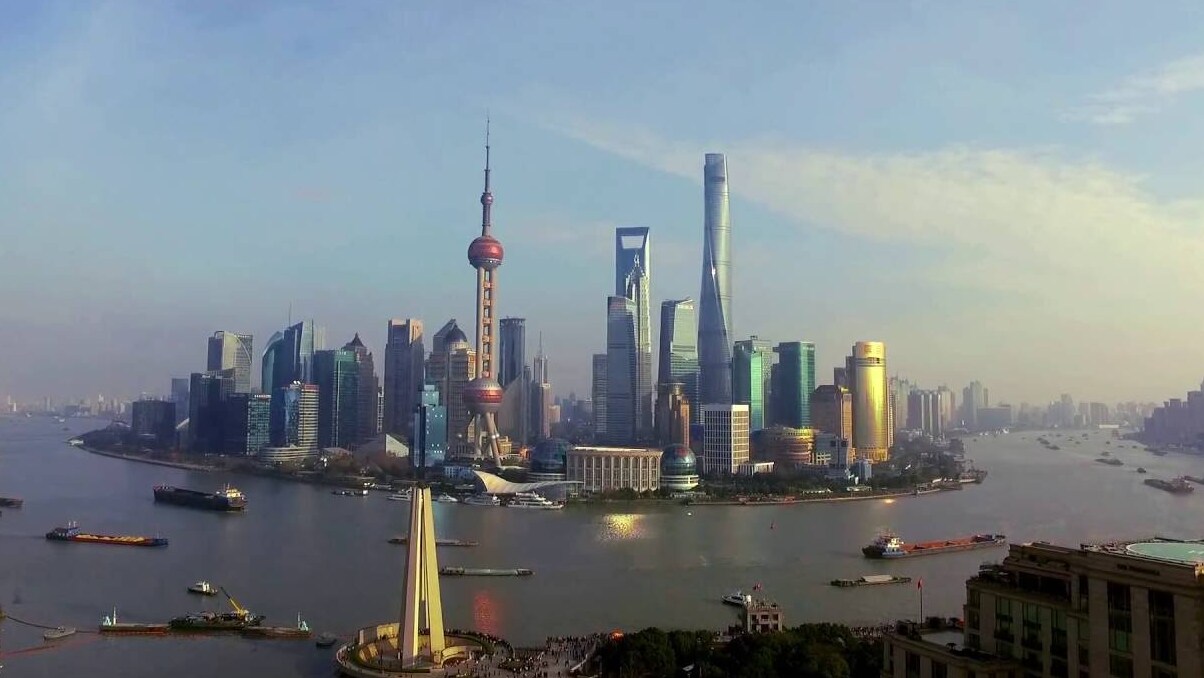

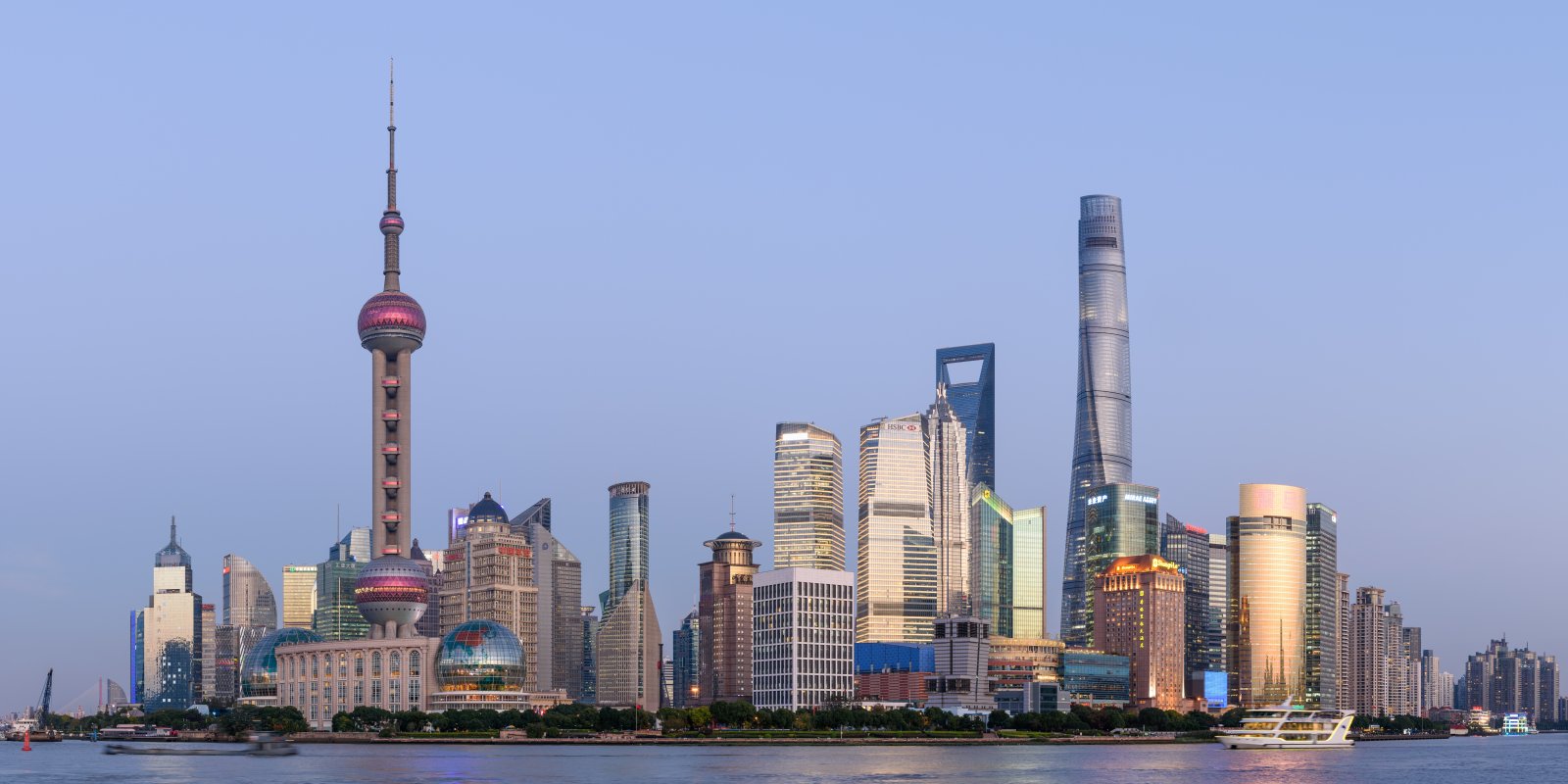
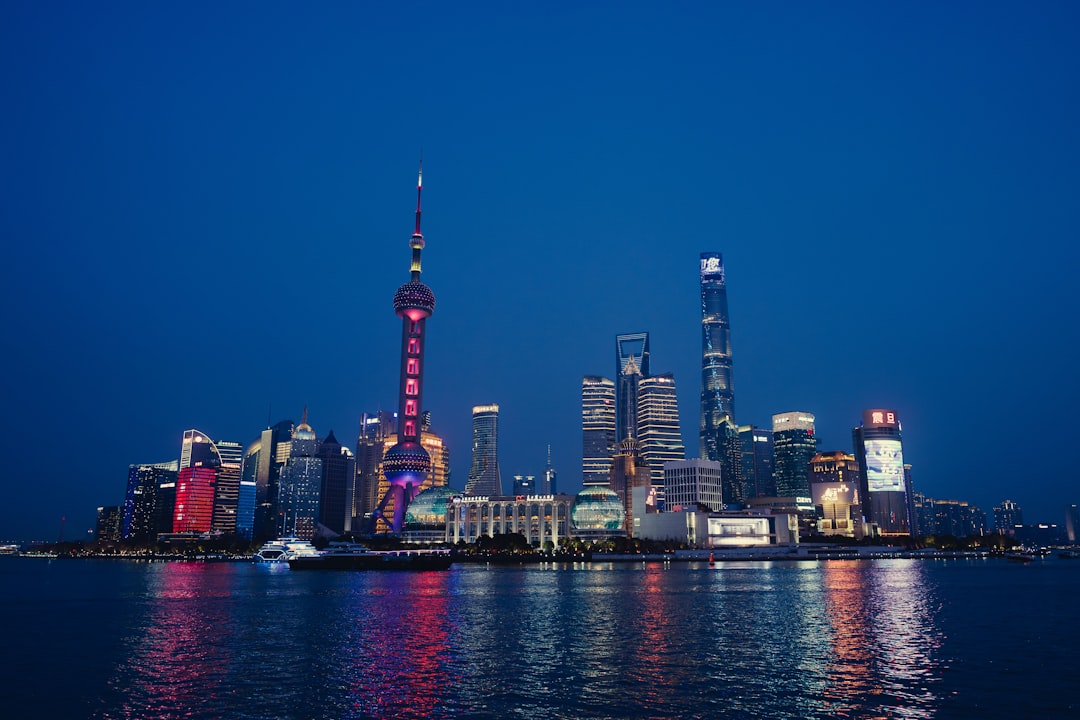
Shanghai, a city where the ancient meets the avant-garde, stands as a testament to the relentless pace of change and growth. Nestled at the heart of the Yangtze River Delta, this sprawling metropolis is not just China's largest city but also a pivotal global financial hub. Its skyline, dominated by the futuristic Oriental Pearl Tower and the soaring Shanghai Tower, is a beacon of modernity, yet the roots of Shanghai dig deep into a rich historical tapestry.
Tracing back to its early days, Shanghai's history is a tale of transformation. Originally a modest fishing village, it found its footing during the Song Dynasty (960-1279), when it became a key port and trading post. However, it was in the mid-19th century that Shanghai truly began its ascent, catalyzed by the Treaty of Nanking in 1842, which opened it as a treaty port. This period marked the influx of foreign influence, as concessions were established, laying the foundation for the city's unique architectural and cultural landscape.
The architectural allure of Shanghai is an eclectic mix of styles that narrate its storied past. The Bund, a symbol of colonial-era Shanghai, boasts an array of buildings showcasing Gothic, Baroque, and Neoclassical designs. In contrast, the French Concession is a charming district filled with tree-lined avenues and Art Deco buildings, a remnant of its colonial history. Meanwhile, modern marvels like the Jin Mao Tower and the Shanghai World Financial Center punctuate the Pudong skyline, representing the city's rapid modernization. Art thrives here, with institutions like the Power Station of Art and the Long Museum celebrating both traditional and contemporary Chinese artistry.
Cultural richness permeates the daily life of Shanghai. Festivals such as the Shanghai International Film Festival and the China Shanghai International Arts Festival showcase the city's role as a cultural nexus. Traditional events like the Lantern Festival and the Dragon Boat Festival provide glimpses into the city's vibrant heritage. Locals and visitors alike participate in these celebrations, preserving customs that have been handed down through generations.
A journey to Shanghai is incomplete without indulging in its gastronomic offerings. The city is famous for its xiaolongbao (soup dumplings), with delicate skins that encase flavorful broth and meat. Shengjian mantou, another beloved delicacy, are pan-fried buns with a crispy base and juicy filling. Street food stalls offer a plethora of treats, from jianbing (savory crepes) to hairy crab, a seasonal delicacy that draws gourmets from afar.
Beyond the well-trodden paths lie lesser-known curiosities that add layers to Shanghai's allure. The Shikumen houses, a fusion of Western and Chinese architecture, offer a glimpse into the city's past. Meanwhile, the enigmatic 1933 Old Millfun, a former slaughterhouse turned creative space, captivates with its labyrinthine concrete corridors and Art Deco design. Hidden gems like M50, a contemporary art district, and the serene Longhua Temple, the oldest temple in Shanghai, provide peaceful retreats from the city's frenetic pace.
For those planning to visit, the ideal time is during the mild spring (March to May) or the pleasant autumn (September to November), when the weather is temperate and the city is alive with festivals. Navigating Shanghai's vastness is best done via its efficient metro system, providing easy access to its myriad attractions. While exploring, keep an eye out for the city's vibrant street life, from impromptu tai chi sessions in parks to bustling night markets.
Shanghai is more than just a city; it's an experience, a microcosm of China's past and future. It invites travelers to delve into its history, savor its flavors, and embrace its vibrant culture, all while standing in awe of its architectural wonders.


