
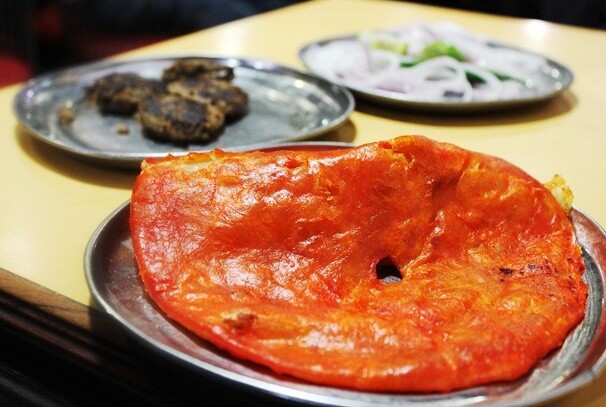

In the heart of Lucknow, a city steeped in history and culture, lies a culinary delight that captivates both the palate and the soul — Sheermal. Often referred to as sweet naan, this delicacy is not merely a dish; it is a symbol of the rich culinary tapestry woven through the ages in this vibrant city. The origins of Sheermal can be traced back to the Mughal era, where it was crafted as a ceremonial bread to be served at royal banquets. The blend of saffron, milk, and sweeteners reflects the luxurious flavors favored by the Mughal emperors. Over centuries, this dish has transcended its royal roots and has become a beloved staple among the people of Lucknow.

Architecturally, Lucknow is a treasure trove, boasting a unique amalgamation of Persian, Turkish, and Indian styles. The Bara Imambara, built by Asaf-ud-Daula in 1784, is a testament to this grandeur and serves as a backdrop to the culinary journey that Sheermal represents. The intricate carvings and expansive courtyards echo the opulence of the Mughal dynasty, where Sheermal once graced the tables of nobility.
Local culture in Lucknow is vibrant and diverse, celebrated through various festivals and traditions that reflect its Awadhi roots. The city comes alive during Eid, where families gather to share meals, with Sheermal often served alongside biryani and kebabs. This communal aspect of dining fosters a sense of unity, deeply rooted in the local ethos. The residents take pride in their culinary heritage, ensuring that dishes like Sheermal are passed down through generations, preserving not just flavors but also stories and traditions.
When it comes to gastronomy, Lucknow is known for its rich and diverse cuisine, often referred to as Awadhi cuisine. Apart from Sheermal, visitors can indulge in a variety of dishes such as Galouti Kebabs, Nihari, and Paya, each reflecting the city’s historical influences. The sweetness of Sheermal balances the fiery spices of these dishes, making it a perfect accompaniment. Often, it is the saffron and cardamom that define the unique flavor profile, with finely chopped nuts adding a delightful crunch.
For those keen on uncovering lesser-known curiosities, it is fascinating to note that Sheermal was originally prepared in clay ovens, known as tandoors, which impart a unique smoky flavor that modern cooking methods cannot replicate. Moreover, the dough is traditionally enriched with ghee (clarified butter), making each bite a melt-in-your-mouth experience. Many locals will tell you that the best Sheermal can be found in hidden corners of the city, away from the bustling markets, where chefs uphold traditional recipes that have been perfected over generations.
Practical visitor information is essential for anyone wishing to explore this culinary gem. The best time to visit Lucknow is between October and March, when the weather is pleasant and conducive for exploration. When indulging in Sheermal, look for local eateries or street vendors who are known for their authentic preparation methods. It’s advisable to ask locals for their recommendations, as undiscovered spots often serve the most authentic flavors.
As you venture through the bustling lanes of Lucknow, let the aroma of Sheermal guide you to its origins. Each bite tells a story of a city rich in history, culture, and culinary excellence. So, whether you're a food enthusiast or a history buff, Sheermal is a must-try dish that encapsulates the essence of Lucknow. To ensure you make the most of your visit, consider utilizing the Secret World app for a personalized AI itinerary tailored to your interests.


