
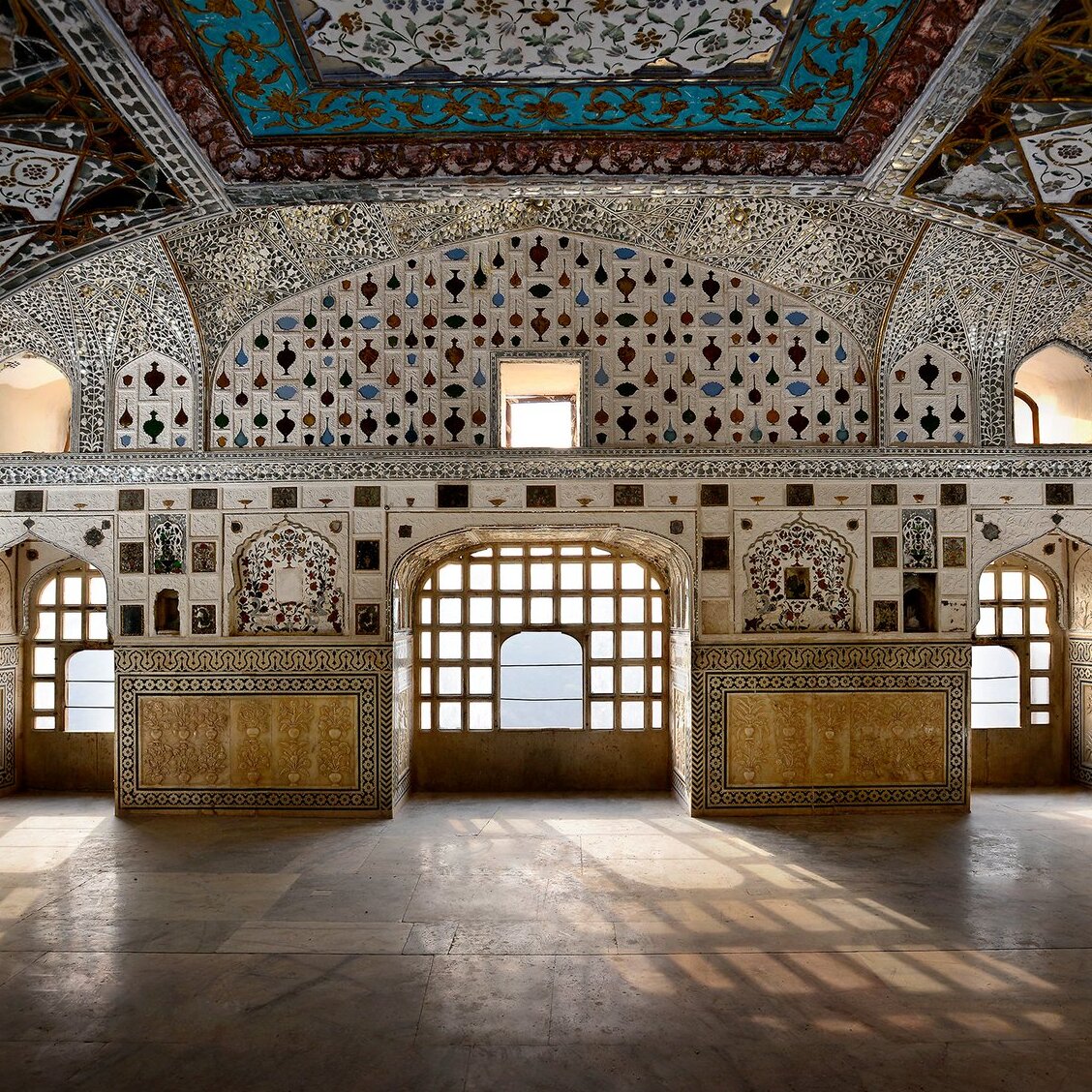

Nestled within the majestic Amber Fort in Jaipur, the Sheesh Mahal or Mirror Palace stands as a testament to the opulence of Mughal architecture. Built in the late 16th century under the reign of Maharaja Man Singh I, this stunning palace was completed in 1727 and serves as a captivating glimpse into a bygone era where art and luxury entwined seamlessly.
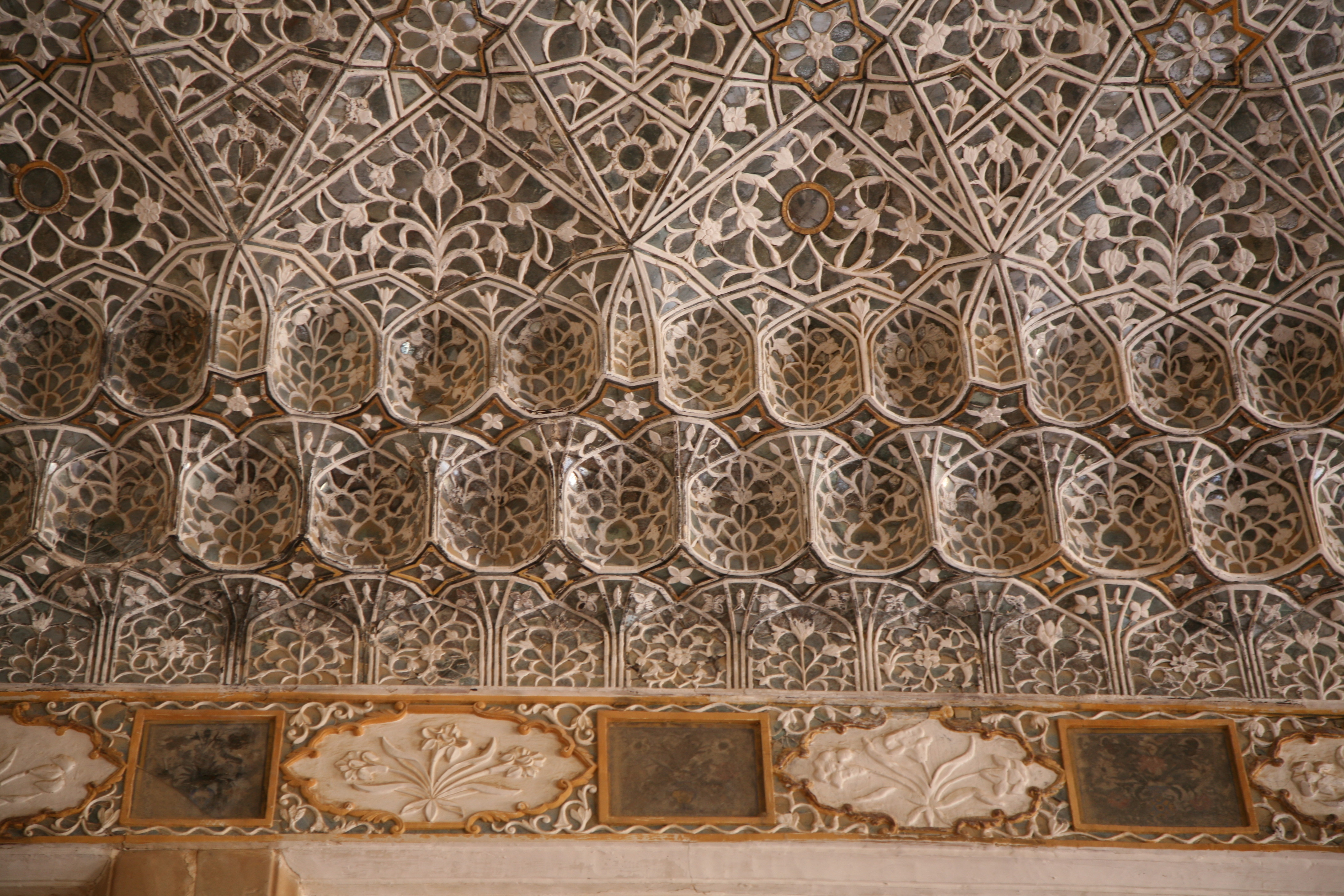
The Sheesh Mahal is located in the third courtyard of the Amber Fort, a sprawling complex that showcases a blend of Hindu and Mughal architectural styles. The palace is renowned for its intricate mirror mosaics and colored glass, which create an enchanting atmosphere reminiscent of a glittering jewel box when illuminated by flickering candlelight. Although visitors cannot enter the hall, the stunning inlaid panels and mirrored ceilings are visible from the outside. As you gaze upon the facade, it's easy to imagine the lavish gatherings that once took place here, where the reflections in the mirrors cast an ethereal glow, enhancing the festivities.
The artistic significance of the Sheesh Mahal lies not just in its beauty but also in its craftsmanship. Each mirror and piece of colored glass was meticulously placed by skilled artisans, reflecting the grandeur of the Mughal Empire. The intricate floral motifs and geometric patterns are hallmarks of the era, showcasing the delicate balance between functionality and artistic expression. The use of mirrors was not merely decorative but also a clever way to amplify the light, making the space feel larger and more luminous.
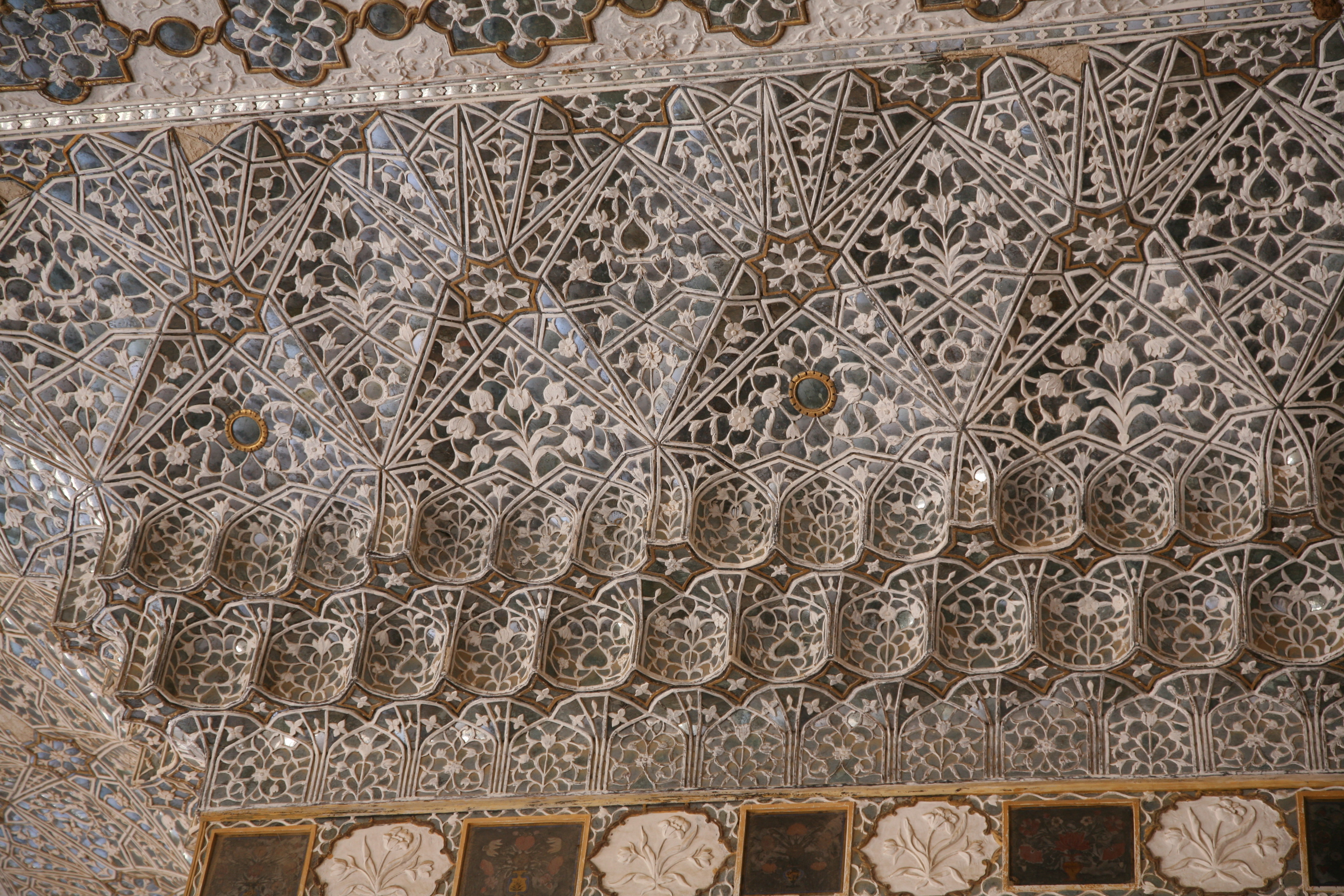
Culturally, the Sheesh Mahal is intertwined with local traditions and customs. Jaipur, often called the Pink City, celebrates various festivals that highlight its rich heritage. Events like Teej, where women dress in vibrant colors and celebrate the monsoon, often feature dances and songs that echo through the palace's courtyards. The importance of Sheesh Mahal during these festivities cannot be overstated; it serves as a backdrop for cultural performances, symbolizing the convergence of history and contemporary traditions.
When in Jaipur, one must also indulge in the local gastronomy. The city is famous for its Rajasthani cuisine, which reflects the region's royal heritage. Dishes like Dal Baati Churma, a hearty lentil preparation served with baked wheat rolls and a sweet crumble, are a must-try. Pair your meal with a glass of lassi, a yogurt-based drink that cools the palate after enjoying the spicy flavors typical of Rajasthani fare. Street food also flourishes in Jaipur; savor Pyaaz Kachori or Ghevar for a taste of local delights that have been enjoyed for generations.
Exploring the Sheesh Mahal reveals lesser-known curiosities that add depth to its allure. For instance, the palace was designed to function as a cooling system — its reflective surfaces not only dazzled the eye but also helped regulate temperature in the sweltering heat of Rajasthan. Additionally, local legend suggests that if a candle is lit in the hall, the entire room lights up as if filled with stars, a testament to the palace's enchanting design.
The best time to visit Sheesh Mahal is during the winter months (October to March), when the weather is pleasantly cool, allowing for a more enjoyable exploration of the fort's sprawling grounds. Arriving early in the day can help you avoid crowds, offering a more intimate experience with this architectural marvel. Look closely at the mirror work and try to catch the reflections at different angles, as they create unique visual effects that change with the light.
To fully appreciate the Sheesh Mahal and its surrounding beauty, consider lingering in the adjacent courtyards, where the history of the Amber Fort unfolds. The stories etched in its walls and the glimmer of the mirrors will leave you spellbound, inviting you to delve deeper into the rich tapestry of Jaipur's past.
For a personalized itinerary that captures all of Jaipur's hidden gems, consider using the Secret World app to help plan your visit.


