
← Back

Shivala Teja Singh Temple

FGRW+923, Kashmiri Mohalla, Sialkot, Punjab, Pakistan ★★★★☆ 432 views
Marika Shaw
Sialkot
🏆 AI Trip Planner 2026

Get the free app

Discover the best of Sialkot with Secret World — the AI trip planner with 1M+ destinations. Get personalized itineraries, hidden gems and local tips. Free on iOS & Android.

🧠 AI Itineraries 🎒 Trip Toolkit 🎮 KnowWhere Game 🎧 Audio Guides 📹 Videos
Scan to download iOS / Android
Scan for AppGallery Huawei users

About Shivala Teja Singh Temple

Shivala Teja Singh Temple - Sialkot | Secret World Trip Planner

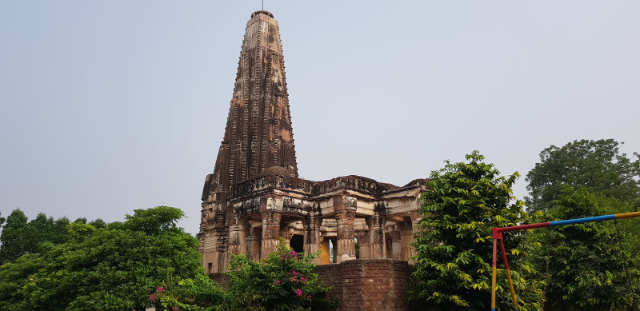
Shivala Teja Singh Temple is a significant historical Hindu temple located in Sialkot, in the Punjab province of Pakistan. This temple, dedicated to Lord Shiva, was originally built by Sardar Teja Singh. It stands as a testament to the religious and cultural diversity that has historically characterized the region.

The temple's history reflects the tumultuous periods it has endured. It was sealed in 1947 during the partition of India and Pakistan, a time marked by widespread communal strife and massive population shifts. This event led to the abandonment and subsequent neglect of numerous religious structures, including the Shivala Teja Singh Temple.

Further damage was inflicted in 1992 when the temple was partially demolished by miscreants, exacerbating its state of disrepair. Despite these challenges, the temple has remained a symbol of heritage for the Hindu community in Pakistan.

In 2015, recognizing the historical and cultural significance of this site, local Hindu leaders appealed to the Pakistani government to prioritize the restoration of the temple. Their efforts highlight a broader push within the country to preserve and respect Pakistan's diverse religious heritage and to promote tolerance and understanding across different communities.

Efforts to repair and restore the temple are seen not only as acts of historical preservation but also as significant gestures towards religious inclusivity and the acknowledgment of Hindu contributions to the region's history. The Shivala Teja Singh Temple, therefore, continues to hold profound significance for both the local Hindu population and the wider community interested in the preservation of cultural heritage.

🗺 AI Trip Planner 2026

Plan your visit to Sialkot

Suggested itinerary near Shivala Teja Singh Temple

MAJ+
500.000+ travelers worldwide
  1. 🌅
    Morning
    Shivala Teja Singh Temple
    📍 Sialkot
  2. ☀️
    Afternoon
    Iqbal Manzil: The Birthplace and Beacon of Allama Iqbal's Legacy
    📍 0.2 km · Sialkot
  3. 🌆
    Evening
    The Sialkot Clock Tower
    📍 3 km · Sialkot

Buy Unique Travel Experiences

Powered by Viator

See more on Viator.com

Explore nearby · Sialkot

Frequently Asked Questions

Shivala Teja Singh Temple is a significant Hindu temple dedicated to Lord Shiva, originally built by Sardar Teja Singh in Sialkot, Pakistan. The temple was sealed in 1947 during the partition of India and Pakistan and suffered further damage in 1992 when it was partially demolished, but it remains an important symbol of heritage for the local Hindu community.
The temple was sealed in 1947 during the partition of India and Pakistan, a period marked by widespread communal strife and massive population shifts that led to the abandonment of numerous religious structures. This historical event resulted in the temple's neglect and subsequent deterioration over the decades.
In 2015, local Hindu leaders appealed to the Pakistani government to prioritize the restoration of the temple, recognizing its historical and cultural significance. These efforts highlight a broader initiative within Pakistan to preserve and respect the country's diverse religious heritage and promote tolerance across communities.
The temple endured significant damage throughout its history, including being sealed during partition in 1947 and being partially demolished by miscreants in 1992. These events have left the structure in considerable disrepair, though restoration efforts have been initiated to preserve this important cultural landmark.
The temple stands as a testament to the religious and cultural diversity that has historically characterized the Punjab region and represents Hindu contributions to the area's history. Its preservation is viewed as a significant gesture towards religious inclusivity and acknowledgment of the Hindu community's role in shaping the region's cultural landscape.
