


At five in the morning, when the air is still cool and the alleys of downtown Siem Reap are almost deserted, the Psar Chas — the Old Market — is already in full swing. The vendors arrange baskets of dried fish on the edges of the stalls, the wood stoves heat pots of broth, and the acrid smell of prahok, the fermented fish paste that is the backbone of Cambodian cuisine, mixes with the sweet scent of freshly caramelized palm sugar. This covered market in the heart of Krong Siem Reap is not a tourist attraction built retrospectively: it is the place where the city truly feeds itself, every day, for generations.
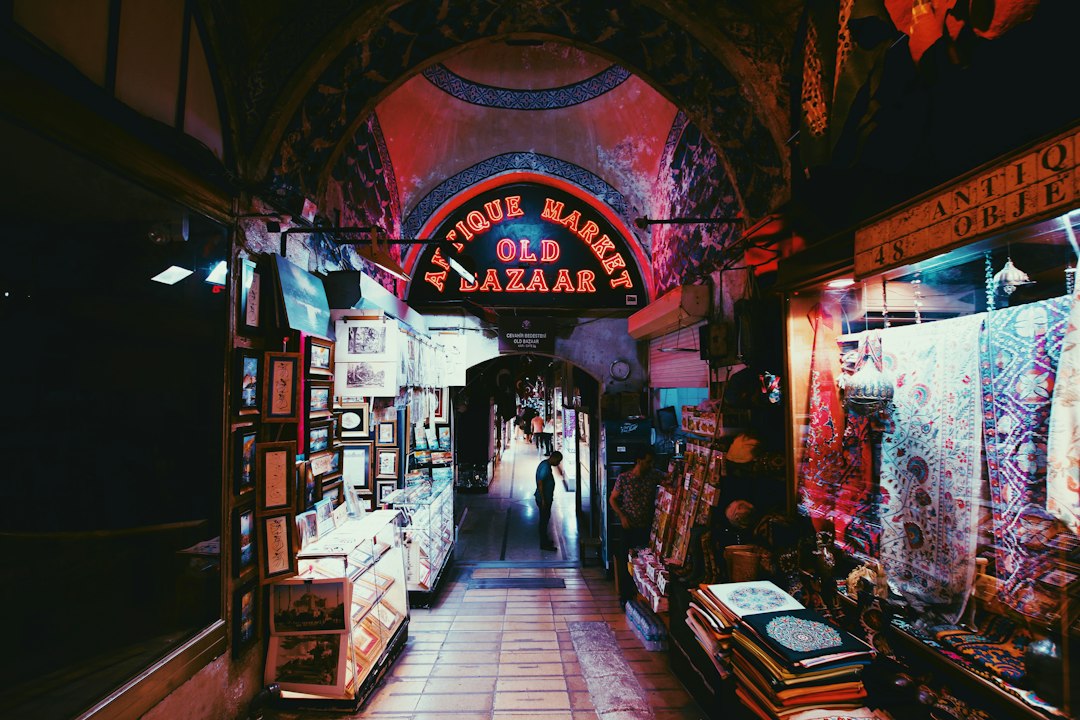
The structure that houses the Psar Chas dates back to the French colonial era, when Cambodia was part of French Indochina. The building still retains architectural elements from that era — pavilion roofs, load-bearing metal structures, and covered corridors that protect from the sun and monsoon rain — and is located along the canal that runs through the center of Siem Reap, just a few steps from the famous Pub Street. The proximity between these two worlds, that of nightlife tourism and that of the popular market at dawn, makes the contrast even sharper and the Psar Chas even more authentic.
The products that tell the story of Khmer cuisine
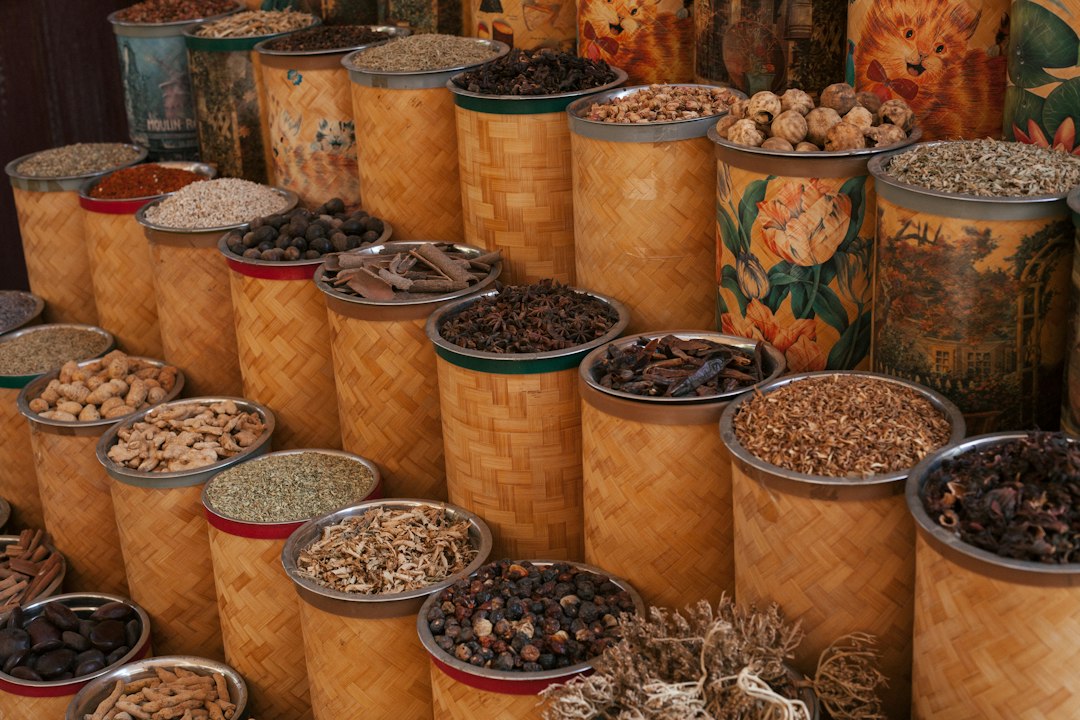
Walking through the stalls of Psar Chas is an accelerated course in Cambodian gastronomy. The rows of trei ngeat — sun-dried fish from Tonlé Sap hung in long garlands — tell the importance of the largest lake in Southeast Asia as a protein source for the entire region. Tonlé Sap, less than fifteen kilometers from Siem Reap, provides an extraordinary variety of freshwater fish that vendors transform into preserved products: dried, fermented, salted. Each type has a different smell and texture, and locals choose them with the precision of those who know every nuance.
Next to the fish, the stalls of traditional sweets offer num ansom — sticky rice parcels wrapped in banana leaves and filled with mung bean or coconut paste — and the various forms of palm sugar, harvested from the Borassus flabellifer trees that dot the countryside around Siem Reap. The sugar arrives at the market in solid amber-colored blocks, sold by weight, and is used in almost every sweet preparation and in many savory sauces. Its flavor is less aggressive than refined sugar, with notes of caramel and a slight final bitterness.
The fresh noodles and the breakfast of Cambodians
The liveliest section of the market in the early morning hours is dedicated to kuy teav, the rice noodle soup that represents the quintessential breakfast in Cambodia. The women who run these stalls prepare the fresh noodles on-site or receive them from small local producers: thin, white, with a slightly chewy texture that holds up well in the hot broth. The broth itself is the result of hours of cooking with pork or beef bones, enriched with fried garlic, shallots, and a drizzle of fish sauce. Each stall has its own recipe, and regular customers know exactly which one to choose.
On the table, there are always condiments to add as desired: fresh bean sprouts, Cambodian basil leaves, lime cut into wedges, fresh chili, and a small bowl of tuk trey, the fermented fish sauce that replaces salt in almost every Khmer meal. Tasting a kuy teav at Psar Chas at six in the morning, sitting on a plastic stool next to the market workers, is probably the most direct way to understand how Siem Reap eats when it’s not posing for photographs.
Practical tips for visiting Psar Chas

The best time to visit the market is between 5:30 and 8:00 in the morning: it is when the activity is at its peak, the products are fresh, and the atmosphere is that of a market functioning for residents, not for tourists. After nine, many fresh food stalls begin to close and the offerings shift towards souvenirs and fabrics. The market remains open until the afternoon, but the food component gradually diminishes.
Psar Chas is easily reachable on foot from the center of Siem Reap or by tuk-tuk. It is advisable to bring local currency in Cambodian riel for small food purchases, although many vendors accept US dollars. A complete meal — a bowl of kuy teav and an iced tea — rarely exceeds two dollars. Avoid touching the displayed products without asking, and do not rush: bargaining is done calmly and with a smile.


