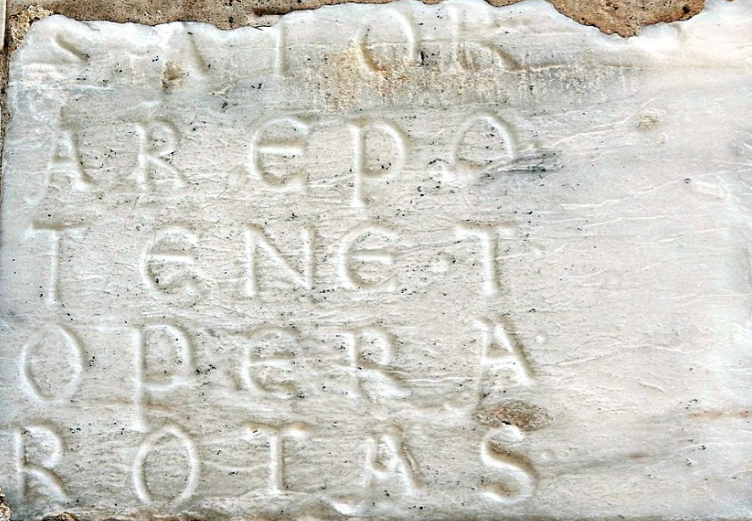

Nestled in the heart of Tuscany, Siena is a city steeped in history, art, and cultural traditions that have flourished for centuries. Among its many treasures lies the enigmatic Sator Square, a captivating Latin inscription that has intrigued scholars, historians, and curious travelers alike. Comprising five words—SATOR, AREPO, TENET, OPERA, ROTAS—this magic square forms a palindrome, revealing a timeless puzzle that has sparked various interpretations throughout the ages.
### History and Origins Siena traces its origins back to the ancient Etruscans, who settled in the region around the 8th century BC. While its exact founding date remains shrouded in mystery, the city began to flourish during the Middle Ages, becoming a crucial center for trade and finance. The 12th century marked a pivotal era for Siena as it emerged as a powerful city-state, rivaling Florence in wealth and influence. Key historical events include the establishment of the Sienese Republic and the infamous Battle of Montaperti in 1260, where Siena defeated Florence.
The Sator Square itself can be traced back to Roman times, with the earliest known inscription dating from the 1st century AD. Its presence in Siena, particularly on the outer wall of the Siena Cathedral, reflects its enduring significance in the cultural tapestry of the city.
### Art and Architecture The architectural style of Siena is a stunning representation of Gothic design, characterized by intricate details and an ethereal quality. The Duomo di Siena, with its black-and-white striped marble façade, epitomizes this style. Inside, visitors can marvel at works by Michelangelo, Donatello, and Bernardino di Betto, known as Pinturicchio. The Sator Square, inscribed on the stones of the cathedral, complements this artistic legacy, blending ancient mystery with the city’s rich heritage.
The square’s design has inspired countless interpretations and artistic expressions, making it a focal point of intrigue and beauty within the cathedral’s sacred space.
### Local Culture and Traditions Siena is renowned for its vibrant culture and traditions, most notably the Palio di Siena, a thrilling horse race held twice a year in the Piazza del Campo. This event, steeped in centuries-old rivalry among the city’s contrade (districts), showcases the passionate spirit of the Sienese. Each contrada has its own colors, banners, and history, further enriching the cultural landscape.
The Sator Square has also woven its way into local folklore, often regarded as a talisman of protection and good fortune. Many locals believe that its presence offers a safeguard against malevolent forces, adding a layer of mystique to the city’s already rich tapestry of traditions.
### Gastronomy No visit to Siena would be complete without indulging in its culinary delights. The city is famed for its unique dishes such as pici, a hand-rolled pasta often served with garlic and tomato sauce, and panforte, a rich fruit and nut cake that dates back to the Middle Ages. Additionally, brustico, a roasted meat dish typical of the region, is a must-try for those seeking authentic Tuscan flavors.
Pair your meal with a glass of Chianti or Brunello di Montalcino, both world-renowned wines produced in the surrounding vineyards. The local gastronomy not only satisfies the palate but also tells the story of Siena’s agricultural heritage and communal spirit.
### Lesser-Known Curiosities While the Sator Square captivates visitors with its mathematical elegance, few know that it has appeared in various forms across Europe, from early Christian sites to cryptic inscriptions in medieval manuscripts. Some scholars suggest that it may have served as a protective charm against evil spirits, a testament to its layered meanings.
Moreover, the Sator Square has inspired various artists and writers, from Dante to Dan Brown, who have incorporated its enigmatic qualities into their works, ensuring its legacy continues to intrigue and inspire.
### Practical Visitor Information The best time to visit Siena is during the spring and fall months, when the weather is mild and the city is less crowded. Don’t miss the opportunity to explore not only the Sator Square but also the Piazza del Campo, the Duomo, and the winding streets filled with history.
When visiting the Sator Square, take time to admire the craftsmanship of the cathedral's exterior and ponder the square's mysteries as you stand in the shadow of centuries-old stones. For a deeper understanding of the city’s history and cultural significance, consider joining a guided tour.
As you navigate the enchanting streets of Siena, keep your senses open to the stories that linger in the air. To enhance your experience, using an app like Secret World can help you craft a personalized itinerary to explore this fascinating city to its fullest.
