



In the heart of Transylvania, nestled amidst the rolling hills and dense forests, lies a city steeped in history and mystery: Sighisoara. Known as the birthplace of Vlad the Impaler, the inspiration behind Bram Stoker's Count Dracula, this fortified city is a living testament to medieval craftsmanship and resilience. With its cobblestone streets and vibrant facades, Sighisoara remains one of the best-preserved medieval towns in Europe.
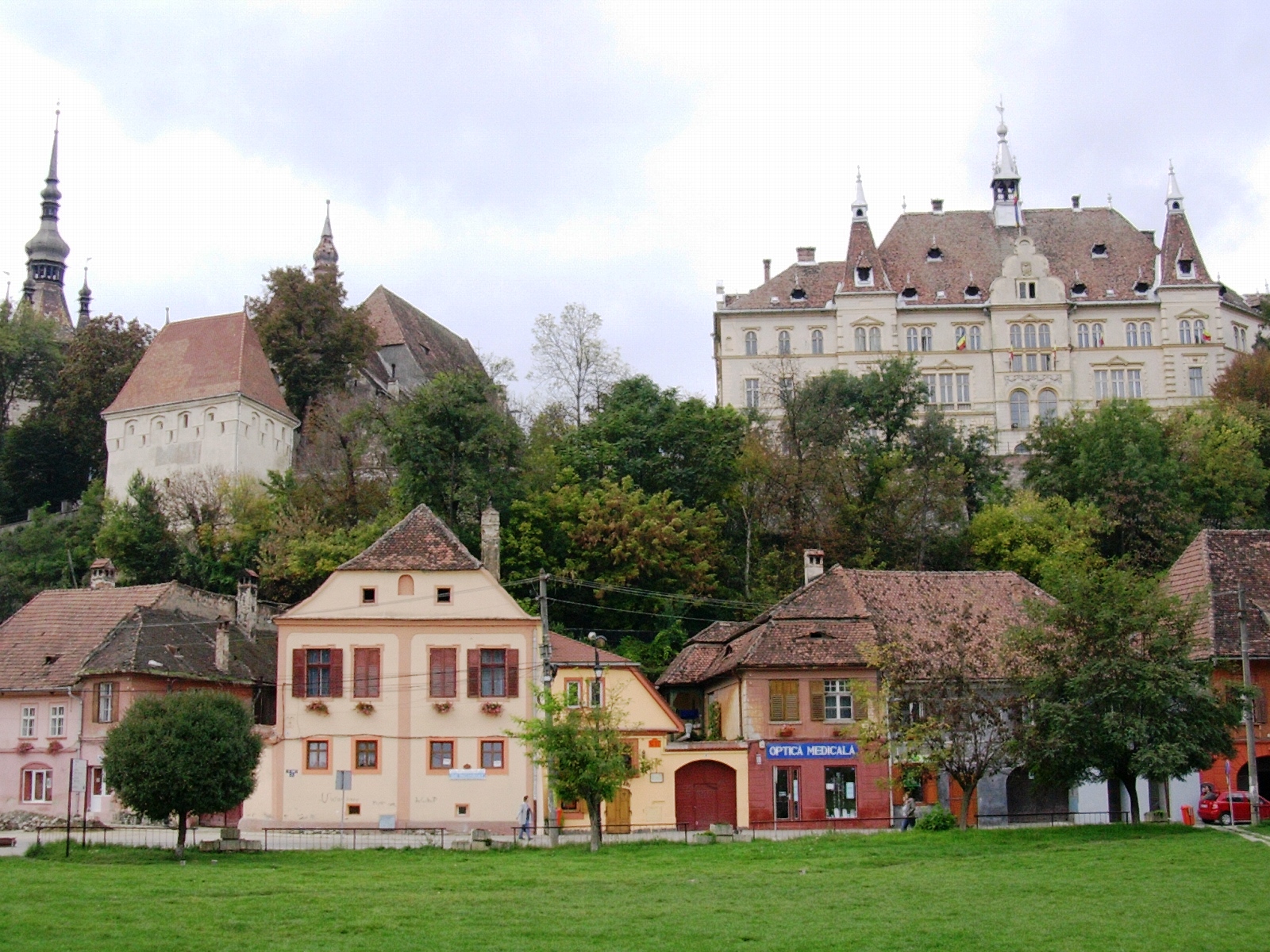
History and Origins The origins of Sighisoara date back to the early 12th century when Saxon settlers, invited by the Hungarian King Géza II, established the town known then as Schäßburg. By the 14th and 15th centuries, Sighisoara had grown into a thriving trading post, fortified to protect against Tartar invasions. The city’s fortifications were not mere walls but a comprehensive defense system, including fourteen towers, each maintained by a different guild. Today, nine of these towers remain, notably the Clock Tower, which stands as a symbol of the city’s endurance.
Art and Architecture Sighisoara's architectural ensemble is a vibrant blend of Gothic, Renaissance, and Baroque styles. The Clock Tower, with its colorful roof tiles and intricate clock mechanism dating back to the 1600s, is a marvel of engineering and artistry. Inside, the History Museum offers an insight into the city's past. The Church on the Hill, with its late Gothic architecture, houses a collection of 15th-century frescoes, offering a glimpse into the medieval mindset and spiritual life.

Local Culture and Traditions The cultural tapestry of Sighisoara is rich and colorful. Each July, the Medieval Festival transforms the city into a vibrant stage of reenactments, music, and crafts, drawing visitors into an immersive journey back in time. Local artisans display traditional crafts, while street performers bring medieval legends to life. This festival is a testament to the city’s dedication to preserving its cultural heritage.
Gastronomy Sighisoara’s cuisine is a delightful blend of Saxon, Romanian, and Hungarian influences. Visitors should not miss dishes like sarmale (cabbage rolls stuffed with spiced meat) and mămăligă (a cornmeal dish akin to polenta). For a sweet treat, try papanasi, a fried or boiled doughnut-like dessert topped with cream and fruit preserves. Pair these with a glass of local wine or tuica, a potent plum brandy that’s a staple in Romanian celebrations.
Lesser-Known Curiosities While Sighisoara is known for its medieval charm, few know about the Scholar’s Stairs, a covered wooden staircase with 175 steps, built in 1642 to allow students access to the Church on the Hill and the school during harsh weather. The town also hides the tale of a legendary sword duel that took place on the Rope Street, one of the narrowest streets in Europe, where two rivals fought for a lady’s heart.
Practical Visitor Information The best time to visit Sighisoara is from late spring to early autumn when the weather is pleasant, and the city’s festivals are in full swing. Wear comfortable shoes to navigate the cobblestone streets and don’t miss the panoramic views from the top of the Clock Tower. Consider staying overnight to experience the city’s magic under the moonlight, when the day-trippers have left and Sighisoara’s medieval allure shines brightest.
For those planning a trip to this enchanting city, the Secret World app offers a personalized AI itinerary to ensure you uncover all of Sighisoara’s hidden treasures.
