
← Back

Sipping Greek Coffee: A Cup of Tradition and Protest

Plaka, Athens, Greece ★★★★☆ 534 views
Sanja Rush
Athens
🏆 AI Trip Planner 2026

Get the free app

Discover the best of Athens with Secret World — the AI trip planner with 1M+ destinations. Get personalized itineraries, hidden gems and local tips. Free on iOS & Android.

🧠 AI Itineraries 🎒 Trip Toolkit 🎮 KnowWhere Game 🎧 Audio Guides 📹 Videos
Scan to download iOS / Android
Scan for AppGallery Huawei users

About Sipping Greek Coffee: A Cup of Tradition and Protest

Sipping Greek Coffee: A Cup of Tradition and Protest - Athens | Secret World Trip Planner

In the winding lanes of Athens or the tranquil villages sprinkled across the Greek Islands, the aroma of Greek coffee wafts through the air, signaling a tradition that runs deep in the culture of Greece. This tiny cup of coffee, served in an almost ritualistic manner, is more than just a caffeinated beverage; it's a symbol of hospitality, conversation, and even political history.

Originally known as Turkish coffee, this aromatic delight was rebranded as "Greek coffee" during a period of tension between Greece and Turkey in the 1960s. This renaming was not just a mere marketing ploy but a declaration of national identity and cultural ownership. The same brew is also known as Arabic, Cypriot, or Armenian coffee, depending on who is savoring it, yet the Greeks have firmly made it a part of their own cultural narrative.

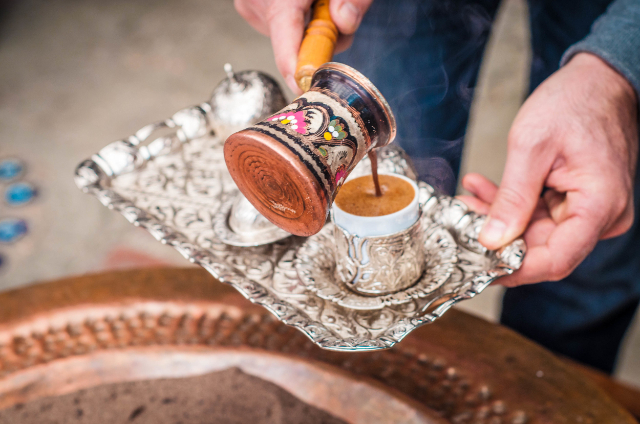
What sets Greek coffee apart is its rich aroma and the presence of "kaimaki," a creamy froth that forms at the top when it's brewed to perfection. Achieving the kaimaki is considered the hallmark of a well-prepared cup and it requires a particular cooking method. The coffee is brewed in a special small pot known as a "briki," which is designed to encourage the kaimaki to form. The coffee is finely ground, almost to a powder, which allows it to fully absorb the water, enhancing its flavor.

Served in small cups, often accompanied by a loukoumi (Turkish delight) or a spoonful of sweet preserves, Greek coffee is an invitation to pause and savor life. Consumed slowly, it allows time for conversation and reflection, offering a momentary escape from the hustle and bustle of life. It's not merely about the intake of caffeine but a comprehensive experience that engages all senses.

So the next time you find yourself in Greece, don't miss the opportunity to experience this rich and complex tradition. Regardless of the season or the time of day, a cup of Greek coffee is always a good idea. It’s not just a drink; it’s a cupful of Greek history, culture, and hospitality.

🗺 AI Trip Planner

Plan your visit to Athens

Suggested itinerary near Sipping Greek Coffee: A Cup of Tradition and Protest

MAJ+
500.000+ travelers worldwide
  1. 🌅
    Morning
    Sipping Greek Coffee: A Cup of Tradition and Protest
    📍 Athens
  2. ☀️
    Afternoon
    Plaka: Brettos Bar
    📍 0.1 km · Athens
  3. 🌆
    Evening
    Holy Church of Saint Nicholas Rangavas
    📍 0.1 km · Athens

Buy Unique Travel Experiences

Powered by Viator

See more on Viator.com

Explore nearby · Athens

Frequently Asked Questions

Greek coffee was originally known as Turkish coffee, but it was rebranded as 'Greek coffee' during the 1960s period of tension between Greece and Turkey as a declaration of national identity and cultural ownership. This renaming was more than a marketing strategy—it represented Greece's firm commitment to making the brew part of their own cultural narrative, despite the same coffee also being known as Arabic, Cypriot, or Armenian coffee in other regions.
Kaimaki is the creamy froth that forms on top of Greek coffee when it's brewed to perfection, and it's considered the hallmark of a well-prepared cup. This layer is achieved through a particular cooking method using a special small pot called a 'briki' and finely ground coffee (almost powdered), which allows the coffee to fully absorb the water and enhance its flavor.
Greek coffee requires a special small pot called a 'briki' designed to encourage kaimaki formation, along with finely ground coffee (almost powder-like in consistency). The brewing method is crucial to achieving the perfect cup, as the fine grounds allow the coffee to fully absorb the water, which both enhances the flavor and creates that signature creamy froth on top.
Greek coffee should be consumed slowly in small cups, allowing time for conversation and reflection rather than quick caffeine intake. It's traditionally served accompanied by a loukoumi (Turkish delight) or a spoonful of sweet preserves, transforming the experience into a comprehensive sensory engagement that invites you to pause and savor life.
You can find authentic Greek coffee in the winding lanes of Athens and the tranquil villages scattered across the Greek Islands, where the tradition runs deep in Greek culture. It's suitable to enjoy at any time of year or time of day, making it an accessible way to connect with Greek history, culture, and hospitality whenever you visit.
