
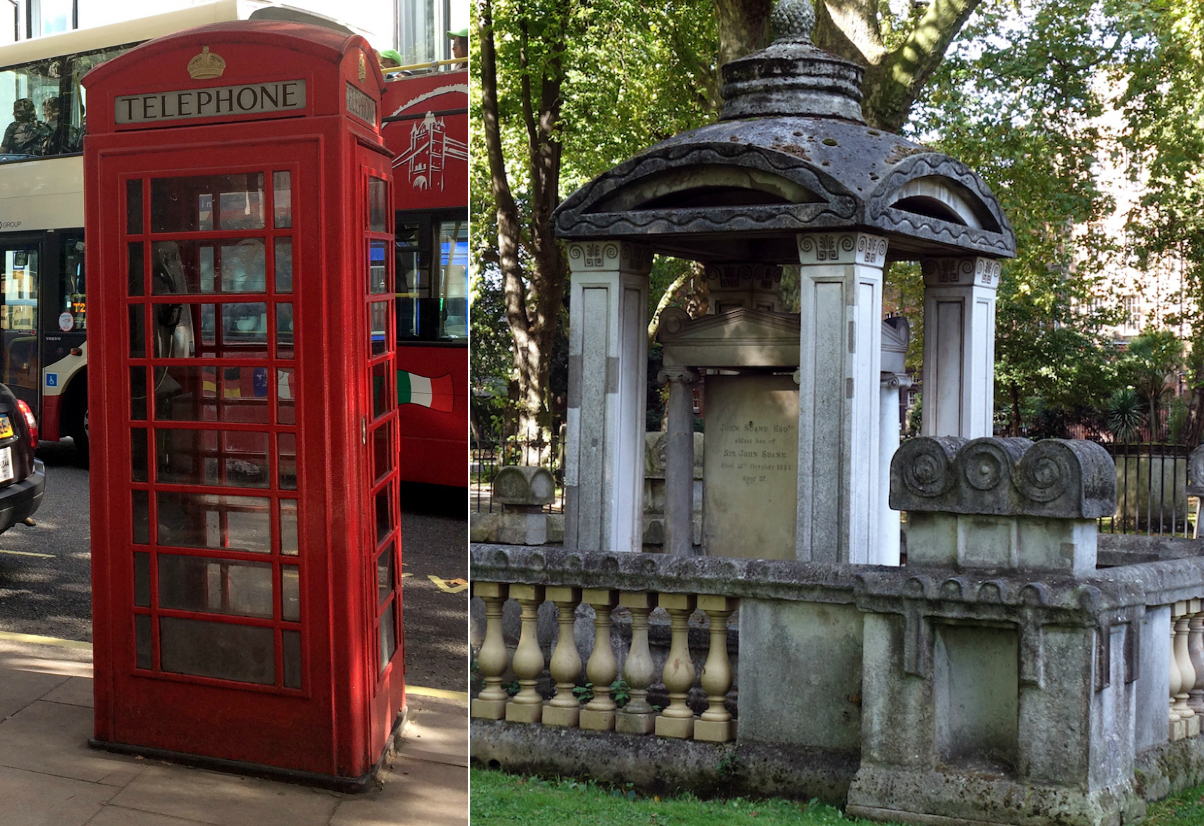

When Eliza Soane passed away on 22 November 1815, her husband, the eminent architect Sir John Soane, was irrevocably changed. Known for his innovative designs, Soane was especially renowned for his work on the Bank of England and various churches, but it was the intimate grief for his beloved wife that led him to create a remarkable tomb, which would later influence the design of the iconic red telephone box. This tomb, located at St. Pancras Old Church, stands as a testament not just to his architectural genius, but also to the profound personal loss he endured.
Eliza was not only Soane's partner in life but also his muse. Their marriage flourished in the vibrant intellectual circles of London, where Soane frequently mingled with the likes of William Blake and John Flaxman. The couple shared a deep bond, and her untimely death at just 43 years old left a void that echoed throughout Soane's life until his own death in 1837.
The tomb, designed by Soane in a Neoclassical style, is adorned with intricate Sarcophagus motifs and is a striking piece of architecture within the churchyard. It reflects Soane's characteristic blending of classical elements with personal touches, making it a poignant reminder of love and loss. Interestingly, the tomb's aesthetic inspired the design of the telephone box, a staple of London’s urban landscape, introduced in the early 20th century.
In addition to its architectural significance, the tomb has woven itself into the cultural fabric of London, serving as a focal point for local customs and traditions. While the churchyard is often a serene spot for visitors to reflect, it has also been a site for occasional gatherings, celebrating Eliza’s memory and the enduring legacy of her husband.
London's vibrant gastronomy is another facet worth exploring. The area surrounding St. Pancras is filled with eateries that offer a taste of local fare. Traditional dishes like fish and chips, shepherd's pie, and full English breakfast can be savored in nearby pubs, allowing visitors to immerse themselves in the culinary delights of British culture. Pair your meal with a pint of local ale or a cup of English breakfast tea for a true local experience.
Among the lesser-known curiosities is the story of Sir John Soane’s Museum, located just a short walk from the tomb. Soane bequeathed his house, filled with his extensive collection of art and antiquities, to the nation upon his death. Visitors to the museum can see the very fragments of classical architecture that Soane cherished, including pieces from Old St Paul’s Cathedral. This museum offers a fascinating glimpse into his life, showcasing not just his work but also the art and artifacts that influenced him.
For those looking to visit, the best time to explore this part of London is during the spring and autumn months when the weather is mild and the gardens around St. Pancras Old Church are in bloom. Be sure to take your time wandering through the serene churchyard, where the tomb resides, and reflect on the love story that inspired its creation.
For an enriched experience, consider visiting Sir John Soane’s Museum as well, where you can delve deeper into the architect's life and work. Look out for guided tours that may provide additional insights into the significance of both the tomb and the museum.
To make the most of your visit to London, remember to utilize the Secret World app, which can help you create a personalized itinerary to discover the city’s hidden gems.


