



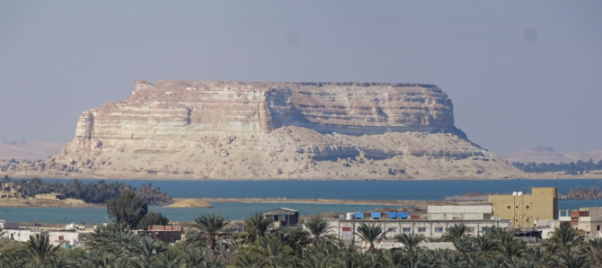
The Siwa Oasis is a hidden gem nestled in the heart of Egypt's Western Desert, often overshadowed by more famous destinations like the pyramids of Giza. Yet, this remote oasis, located approximately 560 km (348 miles) from Cairo, offers a unique blend of history, culture, and natural beauty that captivates those who venture here. With its rich history and distinct Berber culture, Siwa is a vibrant oasis that beckons the intrepid traveler.
History and Origins
The roots of Siwa Oasis stretch back to ancient Egypt, where it was known as the Oasis of Amun Ra. The oracle of Amun, located here, was one of the most revered religious sites in antiquity. It is said that Alexander the Great visited Siwa in 332 BC, seeking the oracle's counsel. The legend holds that he was declared a son of Amun, a pivotal moment that solidified his divine status and influenced his rule.
Throughout history, Siwa has been a melting pot of cultures, with Berber tribes forming the majority population today. The Berbers, known as the Siwan, have preserved their unique customs and language, which is part of the larger Berber family. The oasis has also experienced periods of prosperity and decline, particularly during the rise of trade routes that connected it with other parts of Egypt and beyond.
Art and Architecture
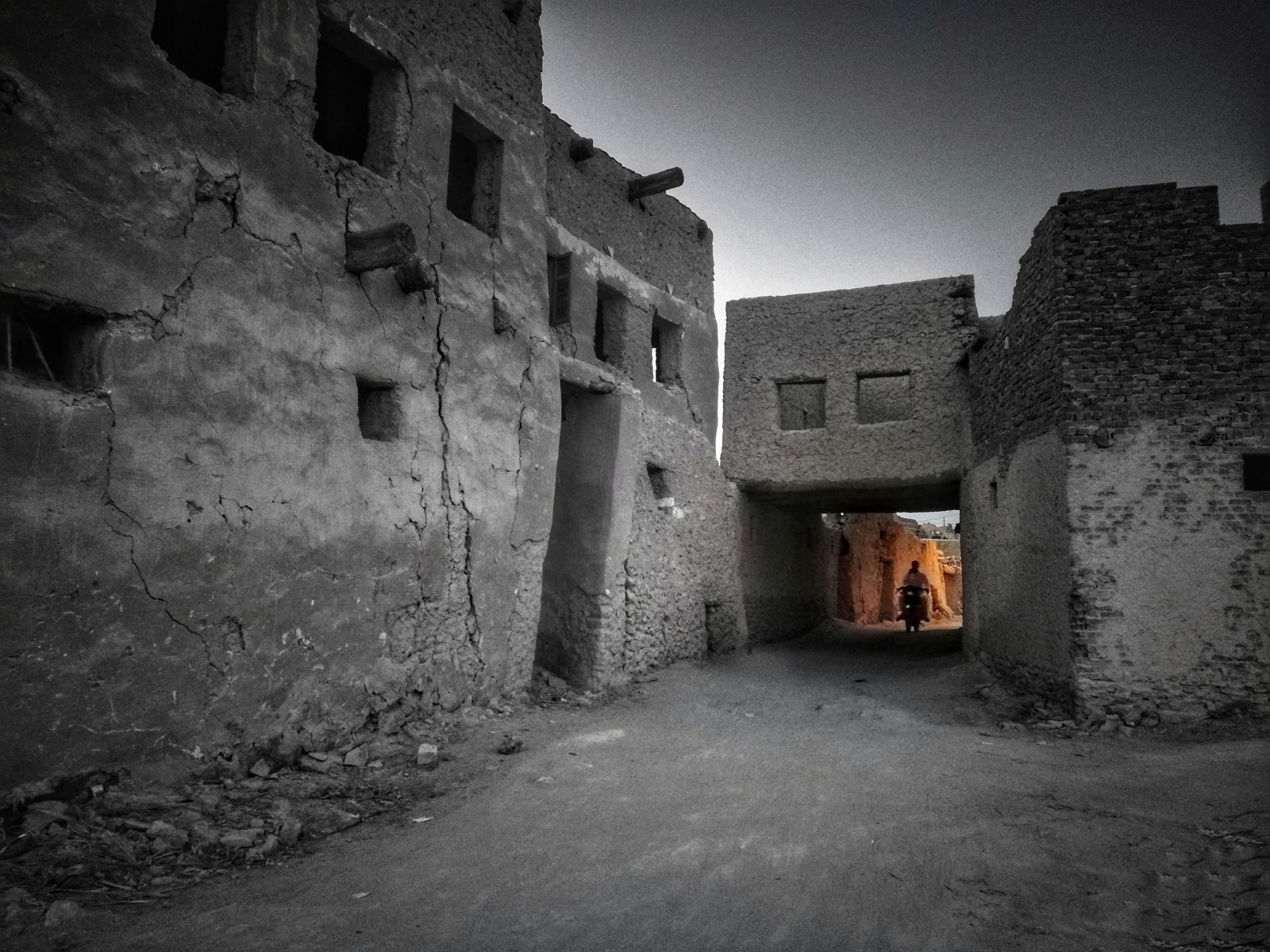
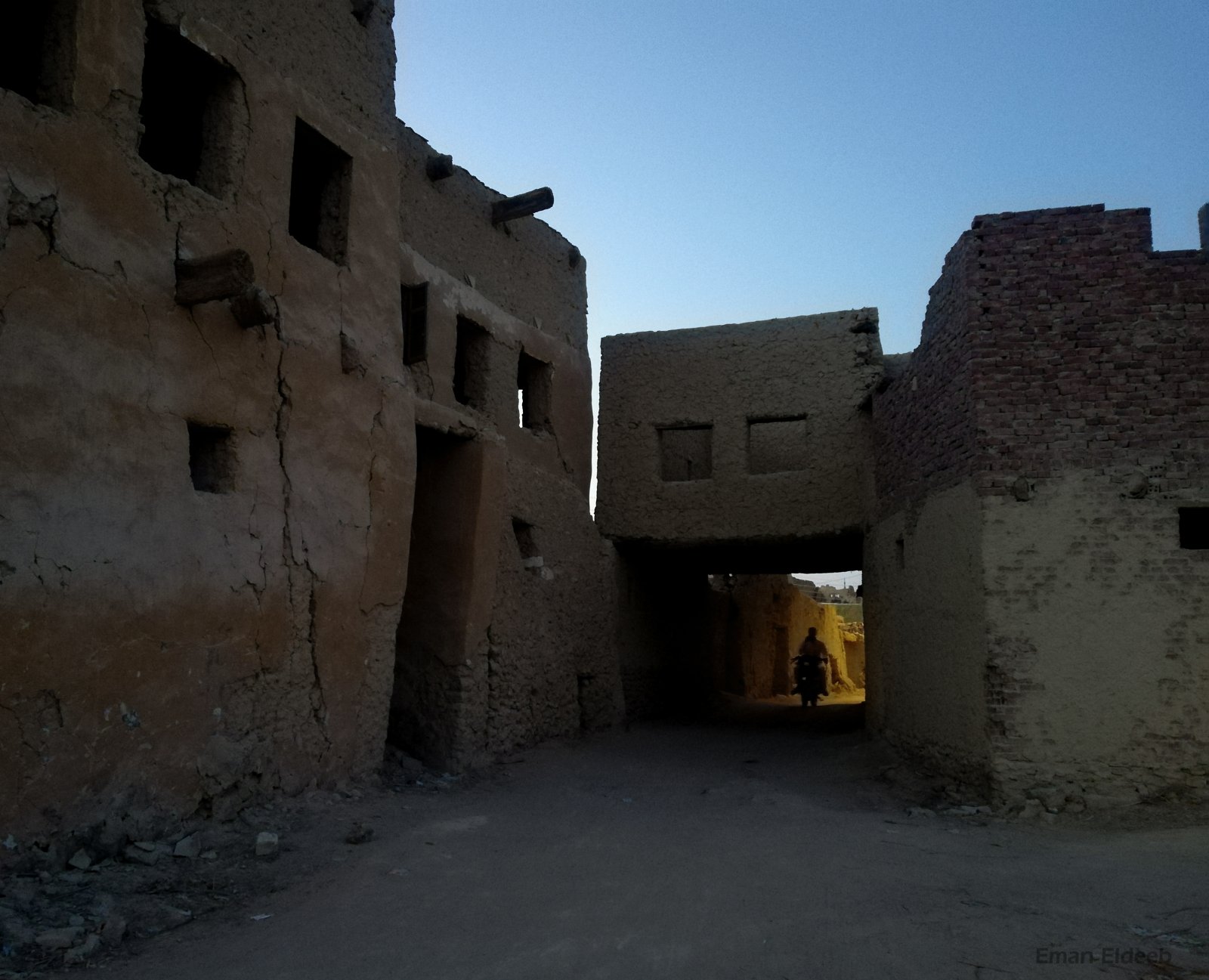
Siwa's architecture tells a fascinating story of its cultural heritage. The traditional mud-brick homes, built to withstand the harsh desert climate, are often adorned with intricate designs that reflect the local artistic traditions. The Shali Fortress, a crumbling structure made of kershef (a mix of salt and mud), stands as a testament to the oasis's historical significance. Once a thriving settlement, the fortress offers stunning views of the surrounding date palms and the shimmering salt lakes.
Artisans in Siwa continue to produce traditional crafts, including handwoven textiles and intricate pottery. These works not only serve as functional items but also carry the essence of Siwan identity, often reflecting the stories and beliefs of the local community.
Local Culture and Traditions
The culture of Siwa is rich with traditions that celebrate its Berber roots. The Eid al-Fitr and Eid al-Adha festivals are vibrant events where locals gather for communal prayers, feasting, and music. The Siwan wedding ceremonies are particularly noteworthy, characterized by colorful attire, lively dances, and elaborate rituals that can last for several days.
One of the most unique cultural practices in Siwa is the Siwan marriage custom, which emphasizes the importance of family and community. Marriages are often arranged, and the elaborate celebrations involve not just the couple but also their families, reflecting the tight-knit nature of Siwan society.
Gastronomy
Siwa's culinary offerings are a delightful exploration of local ingredients and traditions. The oasis is famous for its dates, which are harvested from the abundant palm groves. These sweet fruits are often enjoyed fresh or used in traditional dishes. Another local specialty is Siwan bread, a flatbread baked in a traditional oven that accompanies almost every meal.
Visitors should also try Bamya, a stew made with okra and lamb, and Hibiscus tea, a refreshing beverage that is a staple in the region. The use of local herbs and spices adds depth to the flavors, making every meal a unique experience.
Lesser-known Curiosities
While many tourists flock to the oracle ruins and the Shali Fortress, there are hidden treasures waiting to be discovered. One such gem is the Cleopatra’s Bath, a natural spring filled with crystal-clear water believed to have therapeutic properties. Legend has it that Cleopatra herself bathed here, making it a serene spot for relaxation and reflection.
Another fascinating aspect of Siwa is its unique Siwan script, an ancient writing system that is still used by some locals. This script, which is part of the Berber language, adds another layer to the cultural richness of the oasis that many visitors may overlook.
Practical Visitor Information
The best time to visit Siwa is during the cooler months, from October to April, when daytime temperatures are more bearable. Travelers should consider staying in a traditional mud-brick hotel to immerse themselves in the local culture fully. Exploring the oasis can be done on foot, by bicycle, or in a 4WD vehicle, especially if you want to venture into the Great Sand Sea.
Don't forget to visit the local markets, where you can find handmade crafts and sample local delicacies. Engaging with the friendly Siwan people and learning about their way of life will undoubtedly enrich your experience.
In the enchanting Siwa Oasis, each corner reveals a story waiting to be told. This secluded paradise, with its rich history, vibrant culture, and breathtaking landscapes, invites you to uncover its secrets. For a personalized itinerary that captures the essence of Siwa, consider using the Secret World app to plan your adventure.
