



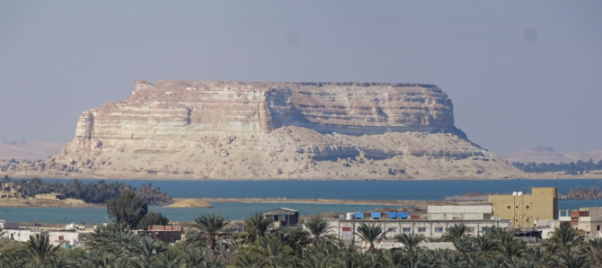
The Siwan Oasis is a hidden gem nestled amid the vast expanse of Egypt's Western Desert, offering a unique blend of history, culture, and breathtaking landscapes. This secluded oasis, located approximately 50 km (30 miles) east of the Libyan border and 560 km (348 miles) from Cairo, is a treasure trove of Berber heritage and ancient traditions.
History and Origins
The history of Siwa dates back to antiquity, with its roots deeply embedded in the ancient Egyptian civilization. The oasis is famously known as the Oasis of Amun Ra, revered for its oracle, which played a pivotal role in the spiritual and political life of ancient Egypt. The Oracle of Amun was consulted by notable figures, including Alexander the Great, who visited in 332 BC to seek guidance about his destiny. According to historical accounts, he was proclaimed the son of Amun, solidifying his divine status and linking the oasis to the broader narrative of Egyptian mythology.
Siwa has witnessed significant events, including the arrival of the Romans, who recognized the strategic importance of the oasis as a trade route. Over the centuries, Siwa has maintained its distinct identity and culture, largely owing to its geographic isolation. The majority of its inhabitants, the Siwi people, belong to the Berber ethnic group, preserving a language and customs that date back thousands of years.
Art and Architecture
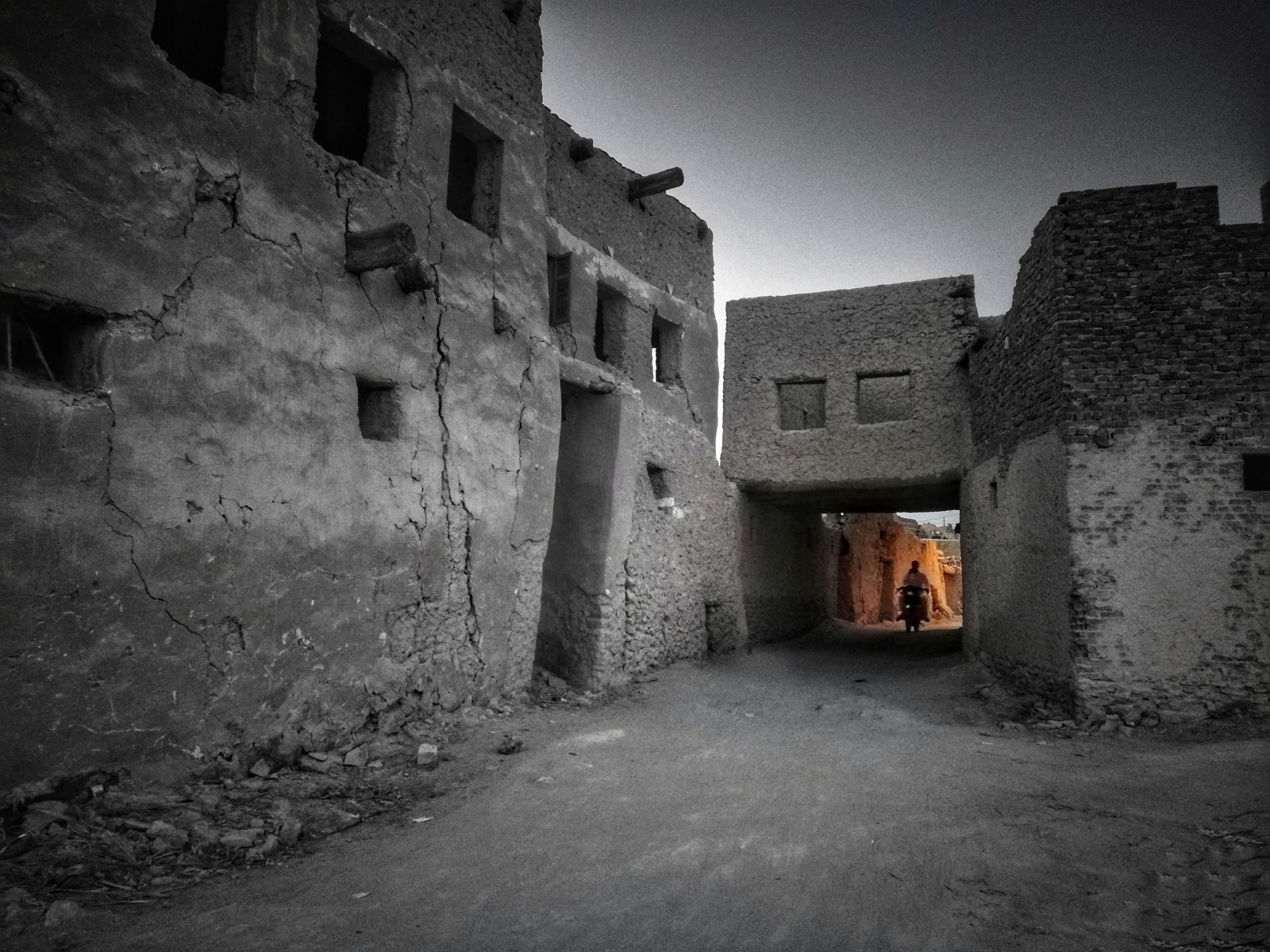
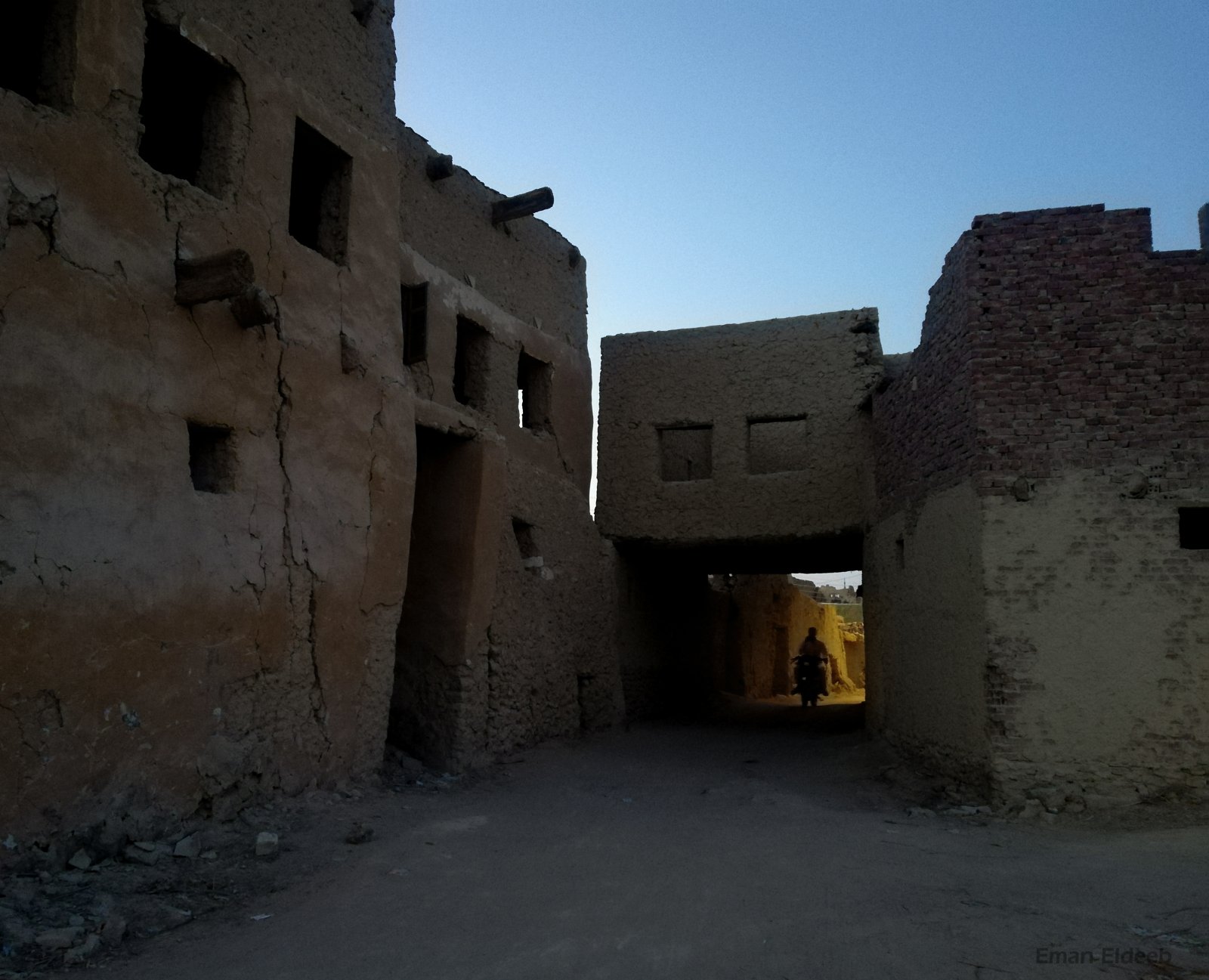
The architecture of Siwa is a captivating reflection of its heritage, featuring traditional mud-brick structures that blend seamlessly with the surrounding landscape. The Shali Fortress, an ancient citadel built in the 13th century, stands as a testament to the ingenuity of Siwa’s builders. Constructed from salt and mud, the fortress showcases the unique architectural style adapted to the harsh desert climate.
Notable artworks can be found within the Temple of the Oracle, where intricate carvings and inscriptions narrate the stories of the gods and the reverence the Siwi people held for their deities. These artistic expressions not only reveal the spiritual significance of the oasis but also highlight the artistic techniques of ancient Egypt.
Local Culture and Traditions
The culture of Siwa is a vibrant tapestry woven from the threads of Berber traditions and Egyptian influences. The Siwi people celebrate various festivals throughout the year, with the Siwa Festival being a highlight. This event celebrates local music, dance, and crafts, allowing visitors to immerse themselves in the rich cultural heritage of the oasis.
Traditional customs are still very much alive in Siwa. The Siwi wedding ceremony is particularly noteworthy, featuring elaborate rituals that include singing, dancing, and communal feasting, reflecting the strong sense of community among the inhabitants. Visitors may also encounter the age-old practice of henna tattooing, which holds cultural significance during celebrations and rites of passage.
Gastronomy
The culinary landscape of Siwa is a delightful exploration of flavors and traditions. Date palms, a staple of the oasis, provide sweet, succulent fruits that are often enjoyed fresh or dried. One must not miss trying the local dish known as “Couscous Siwi,” made with fine grains, vegetables, and aromatic spices, reflecting the area's agricultural bounty.
Bamya, a popular dish made with okra and a tomato-based sauce, showcases the fusion of traditional Berber cuisine with Egyptian influences. Additionally, mint tea, a beloved beverage, is served as a sign of hospitality, often accompanied by traditional sweets. The blend of flavors and local ingredients makes Siwan gastronomy a unique experience for visitors.
Lesser-Known Curiosities
Beyond its well-trodden paths, Siwa harbors many lesser-known curiosities. One surprising fact is that the oasis is home to the Cleopatra Spring, a natural spring believed to have been visited by the legendary queen herself. The spring’s crystal-clear waters are said to possess healing properties, drawing both locals and tourists seeking rejuvenation.
Moreover, Siwa is known for its unique mummification practices that differ from those of ancient Egypt. The discovery of mummies in the region has revealed distinct burial customs, offering insights into the spiritual beliefs of the Siwi people. These hidden stories often go unnoticed by visitors rushing through the oasis.
Practical Visitor Information
The best time to visit Siwa is during the cooler months, particularly from October to April, when temperatures are more comfortable for exploration. Travelers should consider staying in traditional guesthouses that offer an authentic Siwan experience, complete with local hospitality and cuisine.
When visiting, it is advisable to explore on foot or by bicycle, allowing for an intimate connection with the landscape and local culture. Key sights to look out for include the Oracle Temple, Shali Fortress, and the stunning salt lakes that reflect the sky's hues. Engaging with the local Siwi community can also provide deeper insights into their way of life.
Siwa Oasis is a place where history, culture, and nature intertwine in a mesmerizing embrace. To uncover personalized itineraries that bring this enchanting destination to life, consider using the Secret World app for a tailored travel experience.
