



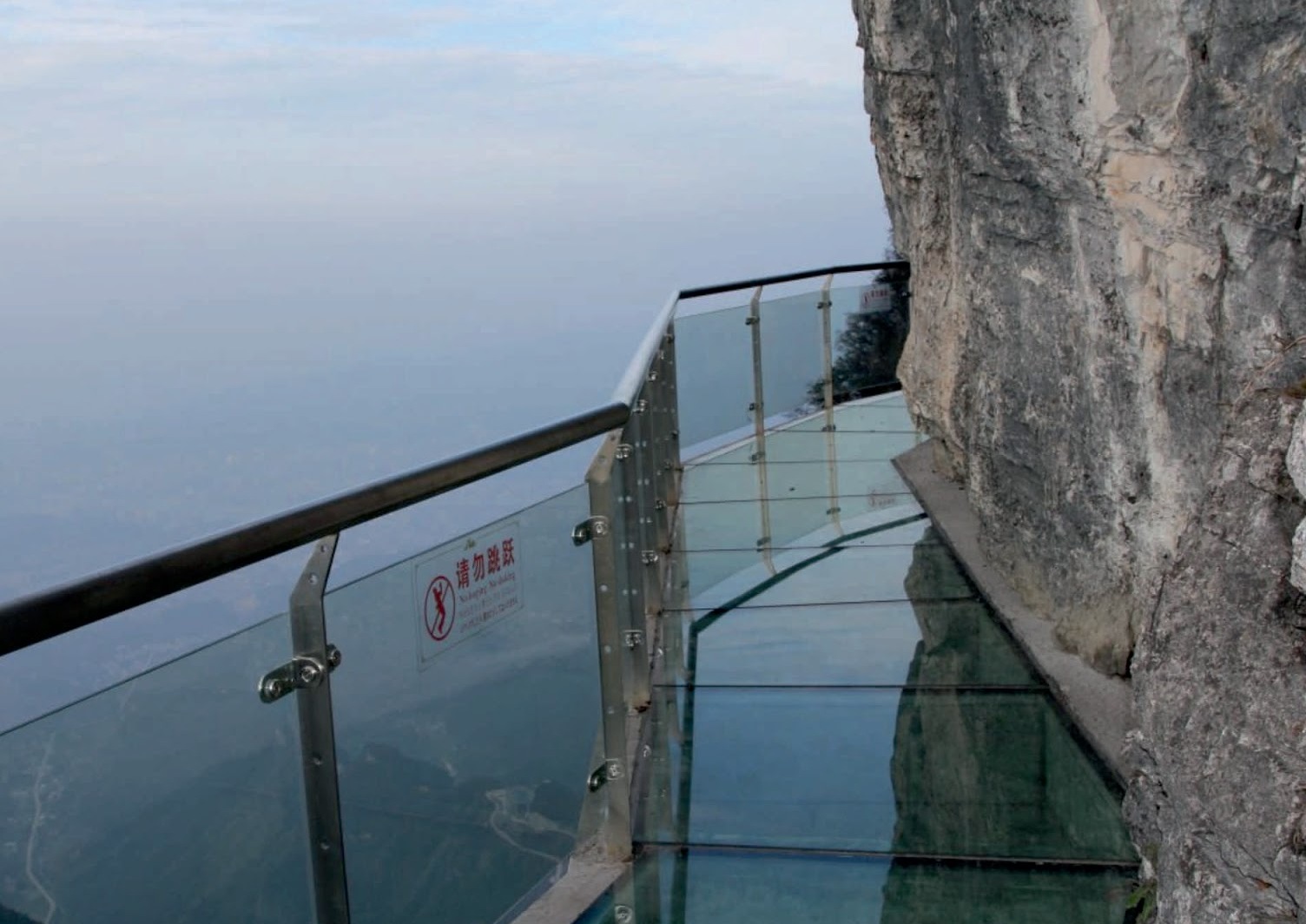
The Skywalk on Tianmen Mountain in Zhangjiajie, China, is not just a bridge; it's a breathtaking experience that defies gravity and showcases nature's majestic beauty. Suspended 1,400 meters above sea level, this see-through walkway extends 200 feet out over the edge of the mountain, allowing visitors to gaze down upon the lush valleys and jagged peaks below, evoking both awe and trepidation.
### History and Origins
The history of Tianmen Mountain is steeped in ancient Chinese mythology. The mountain is said to be a sacred site, with its name translating to “Heavenly Gate Mountain.” The famous Tianmen Cave, a natural limestone arch that resembles a giant gaping mouth, is believed to represent a gateway to heaven. This cave has been revered for centuries, with local legends suggesting that it is a passage between the earth and the heavens.

The area surrounding Tianmen Mountain has been inhabited for thousands of years, with archaeological findings indicating human presence dating back to the Neolithic era. During the Ming Dynasty (1368-1644), the mountain became a significant site for Taoist worship, further solidifying its sacred status. In the modern era, the mountain has transformed into a popular tourist destination, with the Skywalk being completed in 2016, adding a contemporary thrill to its rich historical tapestry.
### Art and Architecture
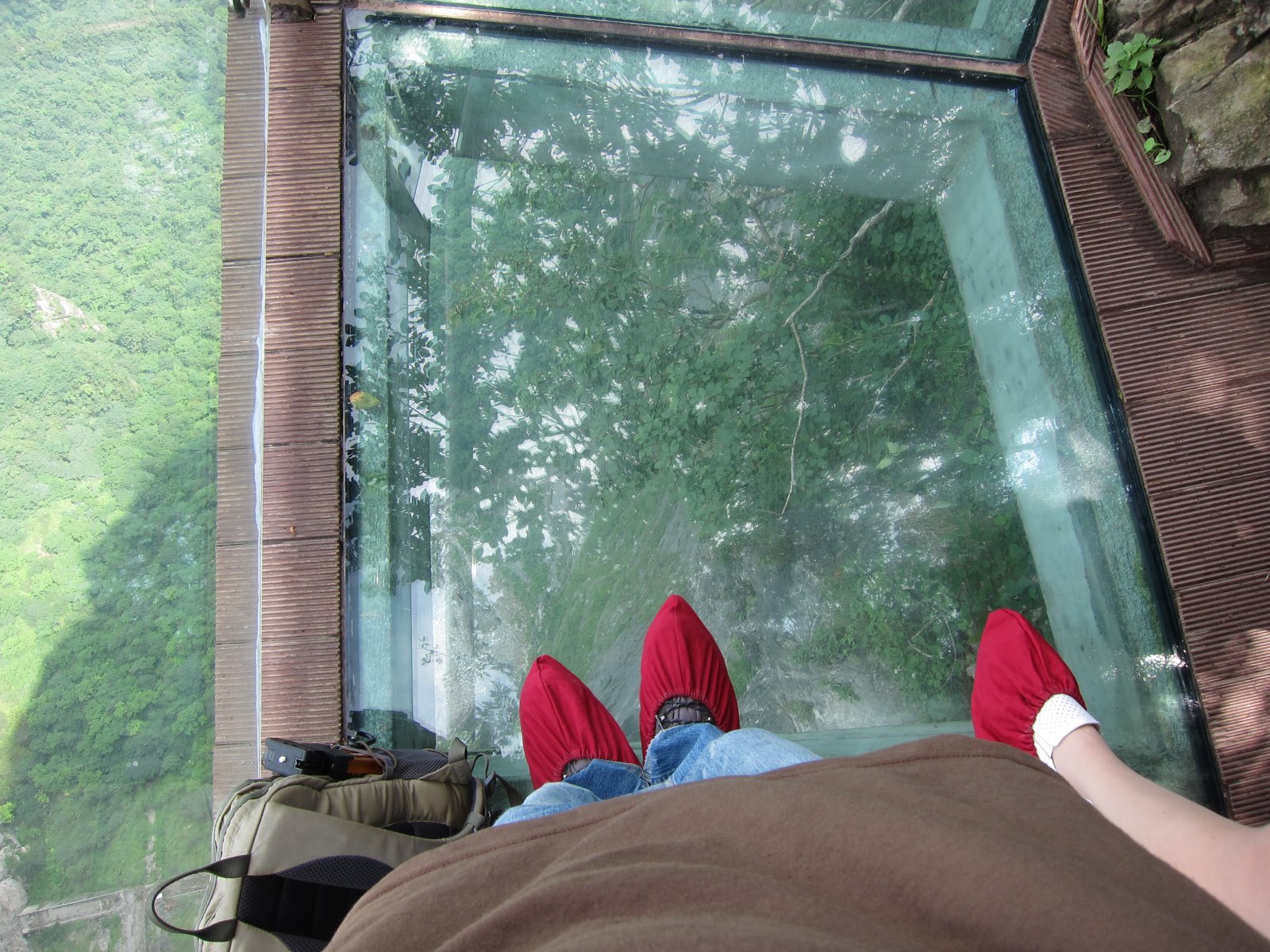
The architecture of the Skywalk is a marvel of modern engineering, designed to blend seamlessly into the natural landscape while providing unparalleled views. Made from glass and steel, the walkway allows visitors to feel the sensation of walking on air as they traverse its length. The design emphasizes transparency, offering a unique perspective of the mountain’s dramatic cliffs and verdant forests.
In addition to the Skywalk, the Tianmen Mountain Scenic Area features a number of other architectural highlights, including the Tianmen Temple, which showcases traditional Chinese architecture with intricate carvings and vibrant colors. The blend of ancient and modern elements here reflects a deep respect for history while embracing contemporary innovation.
### Local Culture and Traditions
The culture surrounding Tianmen Mountain is vibrant and deeply rooted in Taoist beliefs. Each year, locals celebrate various festivals that honor the mountain's spiritual significance. One notable event is the Tianmen Mountain International Tourism Festival, which attracts visitors from around the globe. This festival features a variety of cultural performances, including traditional music, dance, and martial arts, showcasing the rich heritage of the region.
Local customs also play an essential role in the visitor experience. Many locals engage in prayers and rituals at the mountain's temples, seeking blessings and protection from the spirits believed to inhabit the area. Visitors are often encouraged to participate in these cultural practices, allowing for a deeper connection to the local traditions.
### Gastronomy
No visit to Zhangjiajie is complete without indulging in its local cuisine. The region is known for its spicy dishes and unique flavors. One must-try dish is Zhangjiajie Tujia Cuisine, which includes a variety of meats and vegetables seasoned with fragrant spices. Spicy fish hot pot is particularly popular among locals and visitors alike, embodying the bold flavors characteristic of the region.
For those with a sweet tooth, Zhangjiajie sweet potato desserts are a delightful option. These treats are often made with locally sourced sweet potatoes, offering a taste of the area's agricultural bounty. Pair your culinary adventures with a cup of local tea, such as Zhangjiajie Green Tea, which is renowned for its refreshing flavor and health benefits.
### Lesser-known Curiosities
While the Skywalk often steals the spotlight, there are numerous lesser-known aspects of Tianmen Mountain that can enhance your visit. For instance, the mountain is home to a diverse range of flora and fauna, including several endangered species. Nature lovers might be surprised to find over 2,000 species of plants and a variety of wildlife, such as the elusive Chinese Golden Monkey.
Additionally, the ride to the mountain’s peak is an adventure in itself. The Tianmen Mountain Cableway, the longest in the world, spans 7.5 kilometers and offers stunning views as it ascends through the clouds. This journey alone is a highlight for many visitors, providing a unique vantage point of the surrounding landscape.
### Practical Visitor Information
The best time to visit Tianmen Mountain is during the spring (April to June) and autumn (September to November) months when the weather is mild, and the scenery is particularly stunning. Summer can be hot and crowded, while winter brings a magical, snowy landscape but can also lead to closures due to weather conditions.
Tips for your visit include arriving early to avoid crowds, wearing comfortable shoes for the mountain trails, and bringing a camera to capture the breathtaking views. Be sure to look out for the 99 Bends Road, a winding path that offers a unique driving experience with its hairpin turns.
Exploring the Skywalk and its surroundings is a journey that combines natural beauty, rich history, and cultural depth. Whether you are an adventure seeker or a culture enthusiast, Tianmen Mountain promises an unforgettable experience.
For a personalized itinerary to make the most of your visit to Zhangjiajie, consider using the Secret World app.
