
← Back

Smithsonian National Museum of Natural History

Stati Uniti ★★★★☆ 1,031 views
Lara Kipling
🏆 AI Trip Planner 2026

Get the free app

Discover the best of {city} with Secret World — the AI trip planner with 1M+ destinations. Get personalized itineraries, hidden gems and local tips. Free on iOS & Android.

🧠 AI Itineraries 🎒 Trip Toolkit 🎮 KnowWhere Game 🎧 Audio Guides 📹 Videos
Download on the App Store Get it on Google Play
Scan to download Scan to download
Smithsonian National Museum of Natural History | Secret World Trip Planner

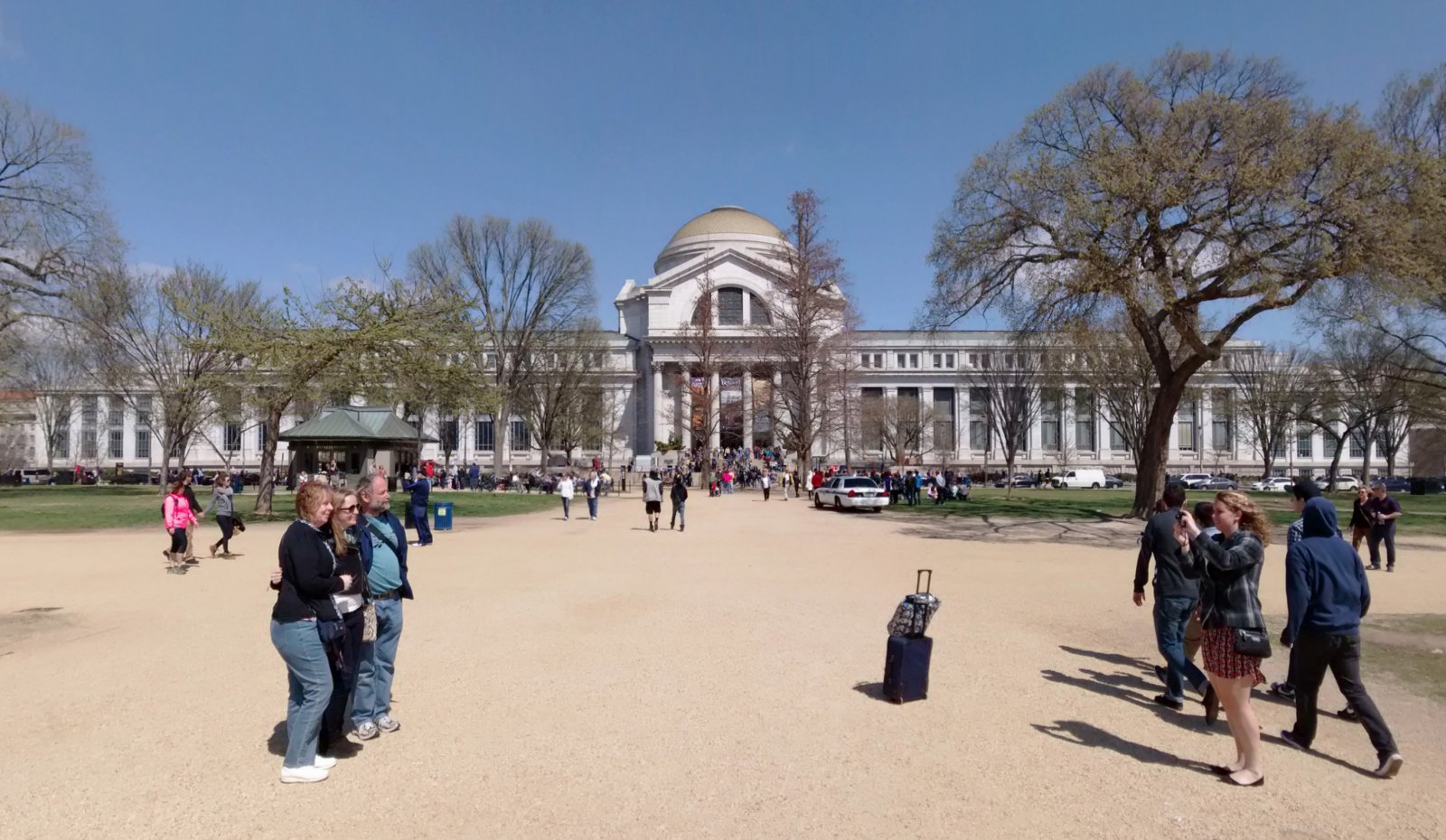
Nestled in the heart of Washington D.C., the Smithsonian National Museum of Natural History stands as a beacon of curiosity, exploration, and discovery. With its stunning collection of artifacts and exhibits, it draws over 7 million visitors each year, making it the most visited natural history museum in the world. But beyond its impressive foot traffic lies a rich tapestry of history, art, and culture waiting to be explored.

Smithsonian National Museum of Natural History | Secret World Trip Planner

### History and Origins

The museum’s roots can be traced back to the founding of the Smithsonian Institution in 1846, established with a bequest from British scientist James Smithson, who wished to promote the increase and diffusion of knowledge. The museum itself opened its doors on March 17, 1910, and has since grown into a world-renowned institution. Over the years, it has housed significant events, including the first public exhibition of King Tutankhamun’s treasures in the United States in 1976, which captivated audiences and sparked a renewed interest in ancient Egypt.

Smithsonian National Museum of Natural History | Secret World Trip Planner

Throughout its history, the museum has continually evolved, expanding its collections and exhibits to include biodiversity, paleontology, and human evolution. The Hall of Fossils and the David H. Koch Hall of Human Origins are just two of the key attractions that highlight the museum's commitment to unraveling the mysteries of life on Earth.

### Art and Architecture

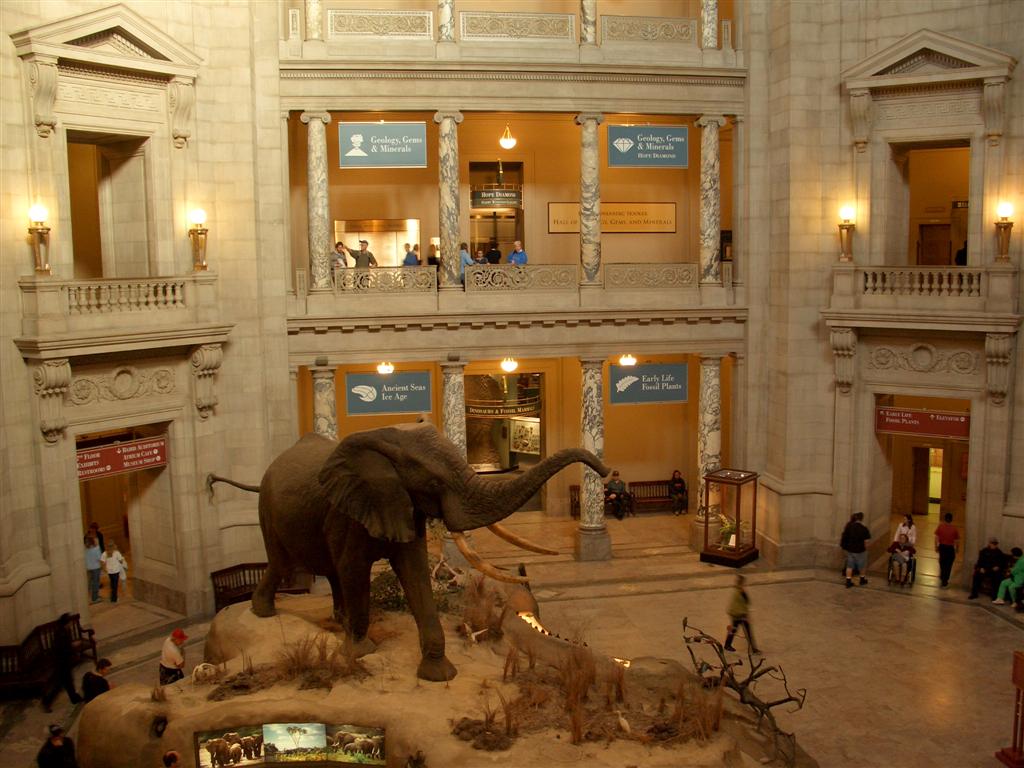
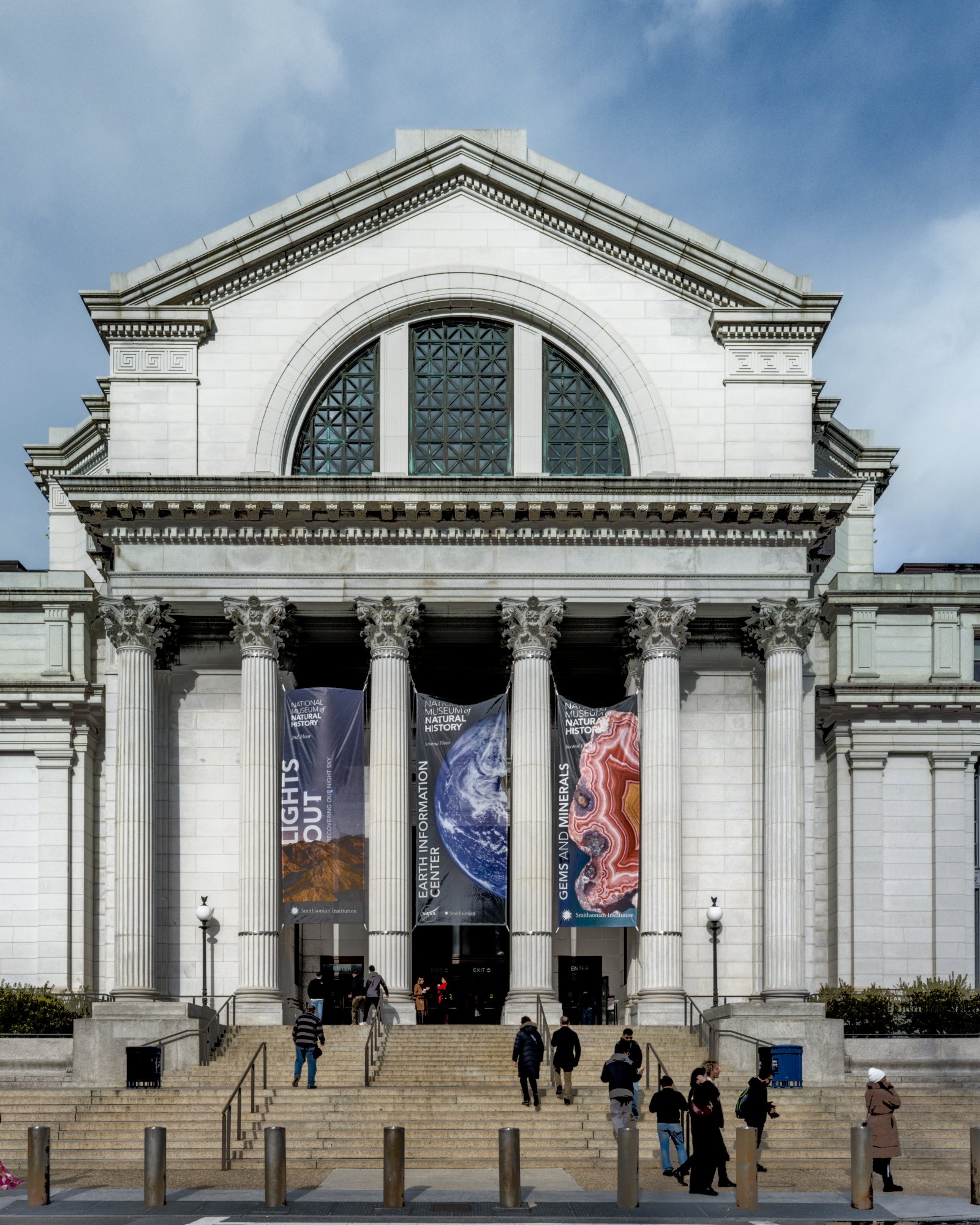
Architecturally, the Smithsonian National Museum of Natural History is a masterpiece of Beaux-Arts style. The building, designed by John Russell Pope, features a grand façade with iconic columns and a stunning rotunda that greets visitors upon entry. The rotunda is adorned with a breathtaking Hope Diamond, a stunning 45.52-carat blue diamond that was first discovered in India and has an intriguing history of ownership.

Inside, the museum is a treasure trove of artistic significance. The African Voices exhibit showcases intricate textiles and sculptures that reflect the continent's diverse cultures, while the Insect Zoo offers a unique glimpse into the beauty of some of the smallest creatures on Earth. Each display is carefully curated, inviting visitors to appreciate not just the scientific importance but also the artistic merit of each piece.

### Local Culture and Traditions

Washington D.C. is a city steeped in tradition, and the cultural significance of the Smithsonian extends beyond its exhibits. The museum often serves as a venue for local festivals and community events, such as the Smithsonian Folklife Festival, which celebrates the cultural traditions of different communities through music, dance, and culinary experiences.

In addition, the museum plays a vital role in education, hosting workshops and programs that engage visitors of all ages with the natural world. The annual Earth Optimism Summit showcases innovative solutions to environmental challenges, reaffirming the museum’s commitment to fostering a culture of sustainability and conservation.

### Gastronomy

While exploring the museum, don’t miss the chance to indulge in some local gastronomy. The Museum Café offers a delightful array of dishes inspired by the region, including Chesapeake Bay crab cakes and Smithsonian Salads made with locally sourced ingredients. For a sweet treat, the café often features desserts made with fresh berries, a nod to the bounty of the nearby farms.

If you’re looking for a taste of D.C.’s vibrant food scene, venture outside the museum to nearby Penn Quarter, where you can savor classic half-smokes, a local sausage delicacy, or enjoy a refreshing Washingtonian-style lemonade from one of the many food stalls.

### Lesser-known Curiosities

Beyond the well-trodden paths of the museum lie hidden gems and surprising stories. Did you know that the Hope Diamond, which now resides in the museum, was once believed to carry a curse? Many of its previous owners met untimely fates, adding an air of mystery to this dazzling gem.

Another lesser-known fact is that the National Museum of Natural History is home to the largest collection of vertebrate fossils in the world, with over 1 million specimens. Additionally, the museum operates a research station in the Smithsonian Marine Station, allowing scientists to study marine life and its conservation.

### Practical Visitor Information

The best time to visit the Smithsonian National Museum of Natural History is during the spring or fall when the weather is pleasant, and crowds are typically smaller. Weekdays are preferable to weekends if you wish to explore without the hustle and bustle.

Don’t forget to check out the museum’s special exhibitions, which often rotate, offering new experiences for repeat visitors. Arrive early to avoid long lines and make the most of your day. Be sure to visit the Insect Zoo and the Ocean Hall, both of which captivate audiences of all ages with their interactive displays.

As you plan your visit, consider using the Secret World app for a personalized AI itinerary that can help you navigate the wonders of the museum and the surrounding areas with ease.

Buy Unique Travel Experiences

Powered by Viator

See more on Viator.com

Explore nearby