
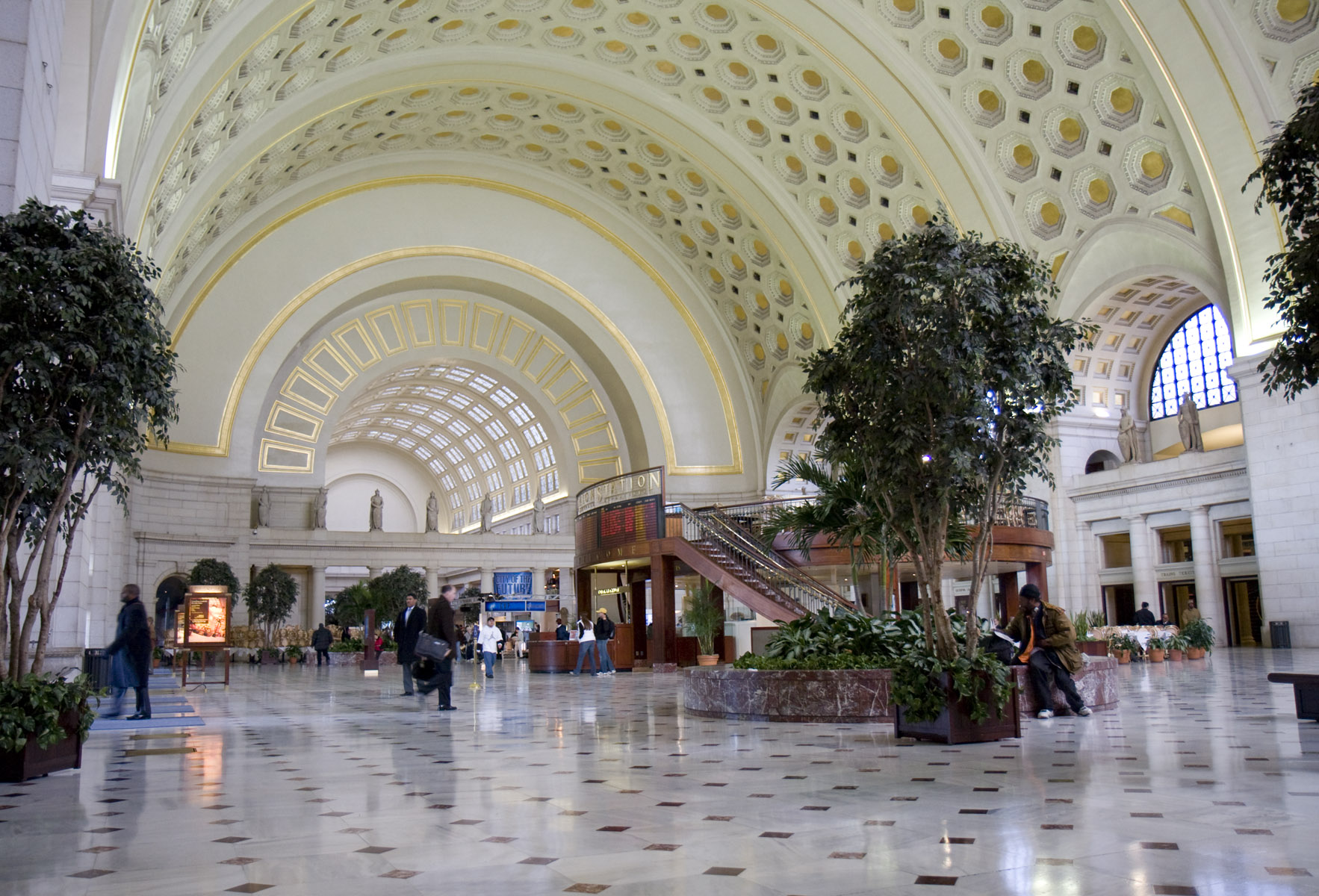

Union Station in Washington, D.C., is not just a transit hub; it is a monumental blend of history, art, and culture that has witnessed the evolution of the American capital. Opened in 1907, Union Station was designed by renowned architect Daniel H. Burnham, marking a pivotal moment in the city's growth and urban planning. This Beaux-Arts masterpiece stands as a testament to a bygone era of grand architectural ambitions, where train stations were designed as cathedrals of transport.
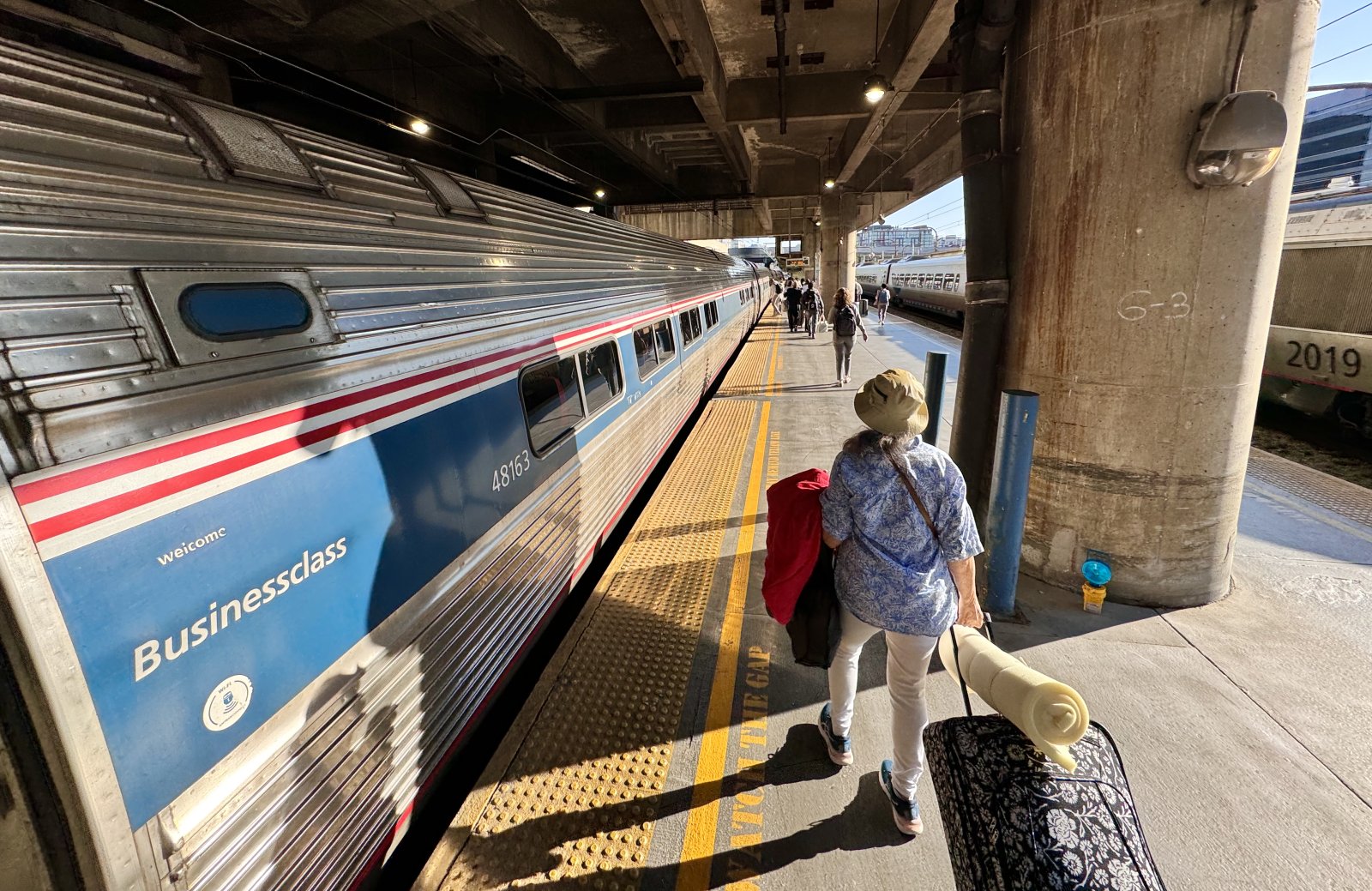
The history of Union Station is deeply interwoven with the story of American railroads. Conceived during the height of the railroad era, its creation was meant to consolidate the chaotic and scattered rail terminals in Washington, D.C. Burnham's vision was one of both beauty and utility, presenting a structure that would not only serve as a gateway to the nation’s capital but also as an architectural icon. The station witnessed significant events, including the 1933 inauguration of Franklin D. Roosevelt, and its walls have echoed the comings and goings of countless travelers, from every corner of the country.
Architecturally, Union Station is a marvel. Its Beaux-Arts style is characterized by grandiose proportions, elaborate decorations, and a harmonious blend of classicism and modernity. The main hall, with its soaring barrel-vaulted ceiling, is adorned with gold-leaf coffered tiles and sculpted figures representing Roman legionaries, lending an air of timeless elegance. The station's interior is a celebration of light and space, with a series of majestic arches and a grand staircase that evokes the opulence of ancient Roman architecture. Notable artworks within the station include detailed murals and the famous Columbus Fountain located at the entrance, adding to its artistic significance.
Beyond its architectural splendor, Union Station is a cultural touchstone for Washington, D.C. It is a microcosm of the city’s diverse cultural tapestry, playing host to various events and festivals throughout the year. Local traditions are often celebrated within its halls, from art exhibitions to music performances, making it a vibrant hub for both locals and tourists. The station's role as a cultural venue extends to its retail and dining spaces, where visitors can experience the local vibe.
The gastronomic offerings at Union Station reflect the cosmopolitan nature of D.C. While the station itself may not boast a cuisine unique to its name, it is a gateway to the city's rich culinary landscape. Visitors can indulge in a variety of delights, from classic American fare to international cuisine. The presence of local coffee shops and eateries within the station offers a taste of the city’s dynamic food scene, making it a convenient spot for a quick snack or a leisurely meal.
Union Station is also home to some lesser-known curiosities. One surprising feature is the Presidential Suite, a lavish room once used by presidents and dignitaries traveling through the nation’s capital. Another hidden gem is the station's intricate system of underground passageways and tunnels, which speak to its complex history and the logistical feats required to manage such a bustling hub. These details provide a deeper understanding of the station’s operational and historical significance.
For those planning a visit, Union Station offers a unique blend of the past and present. The best time to explore is during the quieter hours of the morning or late afternoon when the flow of commuters is at its ebb, allowing for a more leisurely experience. Visitors should take time to admire the architectural details, from the vaulted ceilings to the ornate fixtures. A stroll through the main hall, followed by a visit to the retail and dining areas, can provide a full spectrum of what Union Station has to offer. The nearby National Mall and other landmarks are easily accessible, making it a convenient starting point for a day of exploration in the capital.
Union Station is more than just a train station. It is a living museum of architecture, history, and culture. As travelers walk through its halls, they are not merely moving from one place to another; they are stepping into a rich narrative that spans over a century, where every corner tells a story and every archway echoes the voices of the past. It is a place where the journey is as fascinating as the destination itself.


