
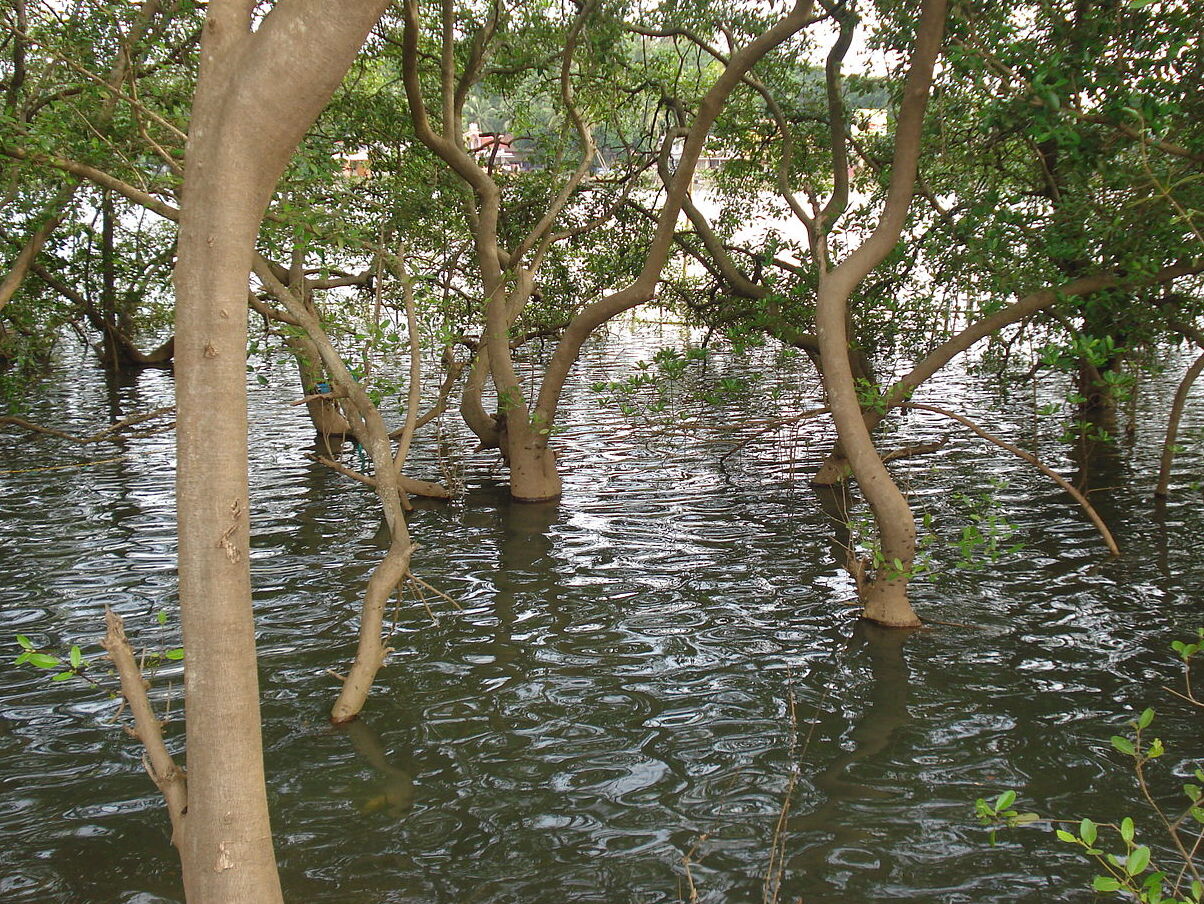

Nestled along the western bank of Thane Creek, the Soonabai Marine Ecology Centre Pirojsha Godrej is a vibrant sanctuary that showcases the intricate relationship between marine life and mangrove ecosystems. As you step into this lush landscape, you are greeted by an orchestra of chirping birds and the gentle rustle of leaves—a reminder that you are in one of Mumbai's most critical ecological hotspots.
History and Origins
The story of this ecological marvel begins long before the establishment of the centre itself. The area around Thane Creek has been a significant ecological site for centuries, with references to its rich biodiversity found in ancient texts. However, it was the vision of Pirojsha Godrej, a prominent industrialist and environmentalist, that led to the founding of the Soonabai Marine Ecology Centre in the late 20th century. Officially opened in 1999, the centre was created to promote research and education about mangrove ecosystems, highlighting their importance in coastal protection and biodiversity.
Over the years, the area has witnessed significant events that have shaped its ecological landscape. The establishment of the Mangroves Conservation Programme in the early 2000s, for example, aimed to restore and protect the mangroves that had been threatened by urbanization. Today, this initiative has brought attention to the critical role that these mangroves play in supporting both local wildlife and the community.
Art and Architecture
The architecture of the Soonabai Marine Ecology Centre is a harmonious blend of functionality and sustainability. Designed to integrate with its natural surroundings, the centre features structures made from locally sourced materials, ensuring minimal disruption to the ecosystem. The use of natural light and ventilation reflects a commitment to environmentally friendly practices.
Inside, the centre houses various exhibits showcasing the flora and fauna of the mangrove ecosystem. Notable artworks include intricate murals depicting the diverse bird species that inhabit the region, each one crafted by local artists to celebrate the area's rich avian life. This artistic endeavor not only serves to educate visitors but also fosters a deep appreciation for the delicate balance of nature.
Local Culture and Traditions
The culture surrounding the Soonabai Marine Ecology Centre is deeply intertwined with the local community's customs and traditions. The nearby fishing villages rely on the health of the mangroves for their livelihoods, and many locals engage in sustainable fishing practices passed down through generations.
Festivals such as Gudi Padwa, celebrated in March or April, see local families coming together to honor the arrival of spring, while Diwali, the festival of lights, brings the community together in vibrant celebrations. During these events, traditional foods, music, and dance reflect the rich cultural heritage of the region, further enhancing the connection between the people and their environment.
Gastronomy
A visit to this ecological haven is incomplete without indulging in the local gastronomy. The coastal proximity provides an abundance of fresh seafood, with dishes like Bombay duck fry, sol kadhi (a coconut milk-based drink), and prawn curry being local favorites. Street food vendors nearby serve up vada pav and pani puri, offering a taste of Mumbai’s bustling culinary scene.
For those looking to savor traditional sweets, modaks—sweet dumplings filled with coconut and jaggery—are a must-try, especially during the Ganesh Chaturthi festival. Pair these delicacies with a cup of chai, and you have a quintessential Mumbai experience.
Lesser-known Curiosities
While many are aware of the stunning birdlife and mangrove diversity, fewer know that the Soonabai Marine Ecology Centre serves as an important stopover for over 100 species of migratory birds. Among them are the magnificent flamingos, which flock to the area during the winter months, creating a breathtaking spectacle as they take flight at dawn.
Additionally, the centre is a vital research hub, where scientists study the effects of climate change on mangrove ecosystems. The findings not only contribute to local conservation efforts but also inform global dialogues on environmental sustainability.
Practical Visitor Information
For those planning a visit, the best time to explore the Soonabai Marine Ecology Centre is between November and February when the migratory birds are in full display. Early mornings are particularly enchanting, as the rising sun casts a golden hue over the mangroves, and the air is filled with the sounds of nature awakening.
Visitors can take guided tours to learn about the diverse species found in the area, including the 206 species of birds, 30 species of reptiles, and numerous fish and crab species. Don’t forget to bring binoculars for birdwatching, and consider wearing comfortable shoes for walking through the trails that wind through the mangrove forest.
As you plan your visit to this ecological gem, consider using the Secret World app to craft a personalized AI itinerary, ensuring you make the most of your time exploring Mumbai.


