

A carved cedar door, with the hinges still attached, leaning against a peeling ochre wall. Next to it, a stack of 1950s radios with rusty metal grills, and a man sitting on a stool smoking silently while waiting for a buyer. This is the Souk el Khemis, the Thursday market — the name in Arabic literally means "market of the fifth day" — which takes place outside the walls of the medina of Marrakech, in an area that most tourists will never reach.
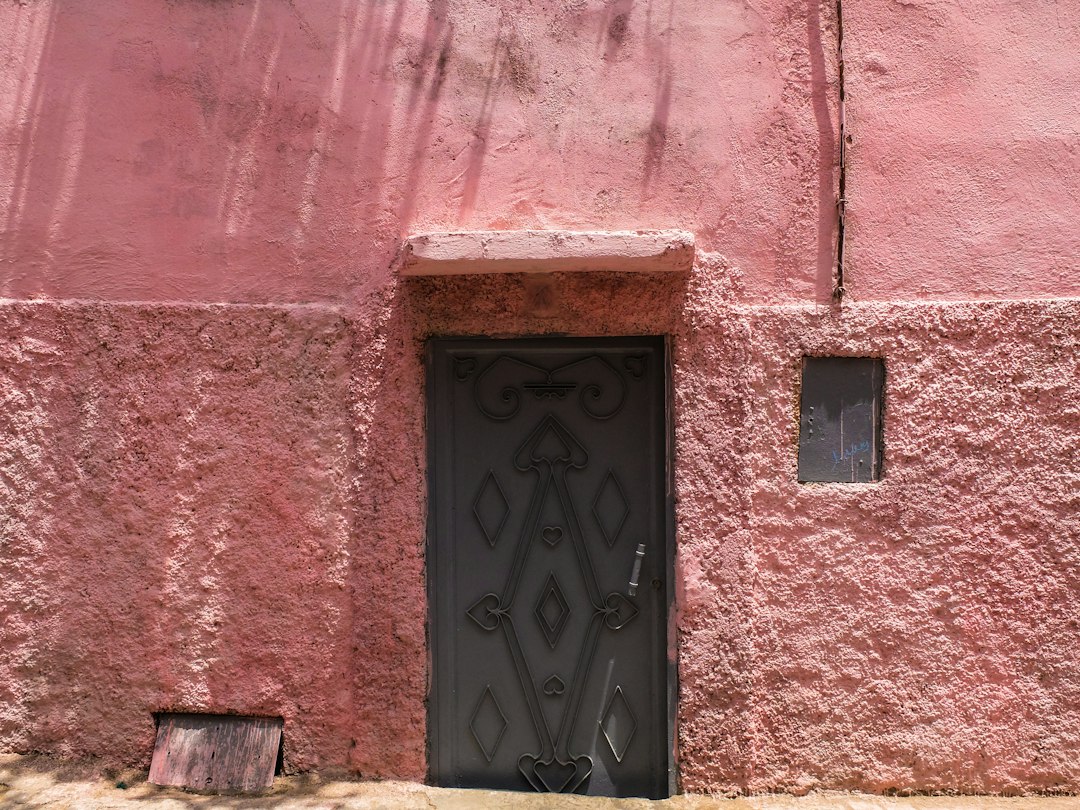
The market is held regularly on Monday and Thursday, just as its historical name suggests, in the northern part of the city, near Bab el Khemis, one of the ancient gates of the Almohad walls that enclose the medina. Here you will not find stalls designed for foreign visitors nor prices already inflated in advance: this is a place where local junk dealers, decorators, artisans, and simple curious people come to buy and sell what the city discards.
What can be found among the stalls
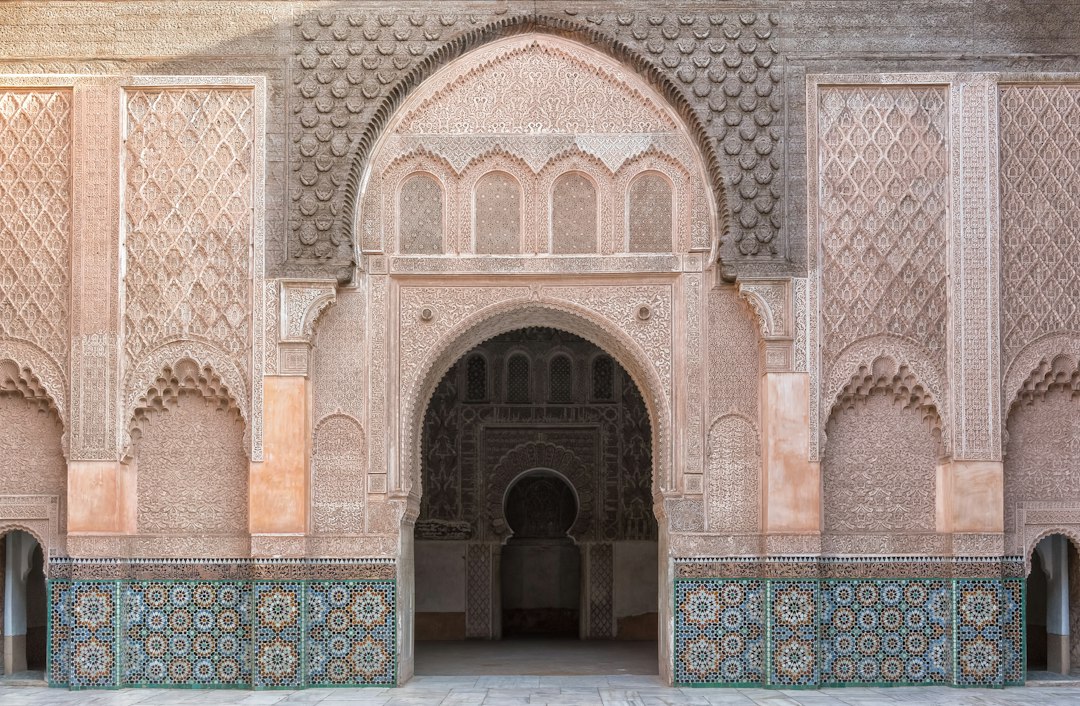
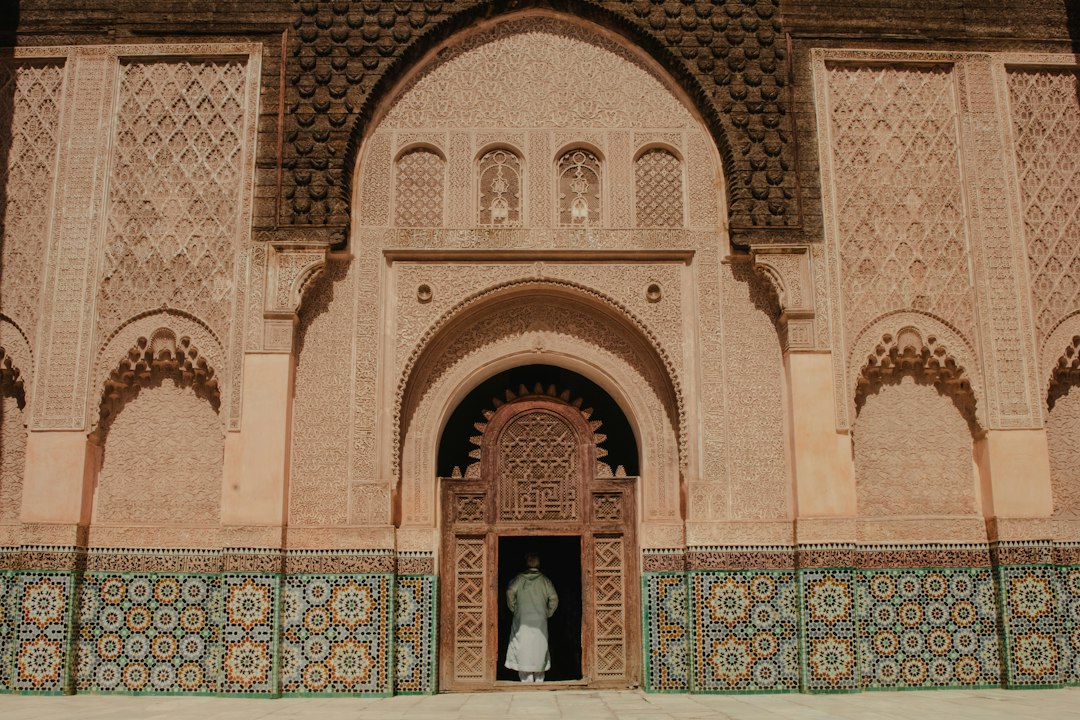
The material for sale tells the architectural and domestic history of Marrakech better than any museum. The cedar wood doors with hand-carved geometric decorations are perhaps the most scenic element: some come from riads under renovation, others from buildings demolished on the outskirts of the city. Next to these, you will find piles of zellij, the multicolored glazed tiles typical of Moroccan craftsmanship, recovered from floors and fountains, with their colors still vivid despite use.
But the market is not just saved architecture. There are old Singer sewing machines, brass lamps with colored glass, painted wooden boxes, baskets of handles and bronze locks, mirrors with stucco frames, and everyday objects that seem to have come straight from the Sixties or Seventies. The smell that pervades the air mixes dry dust, old wood, the grease of metals, and, here and there, the smoke from some brazier used to warm up on cooler mornings.
The atmosphere and the people
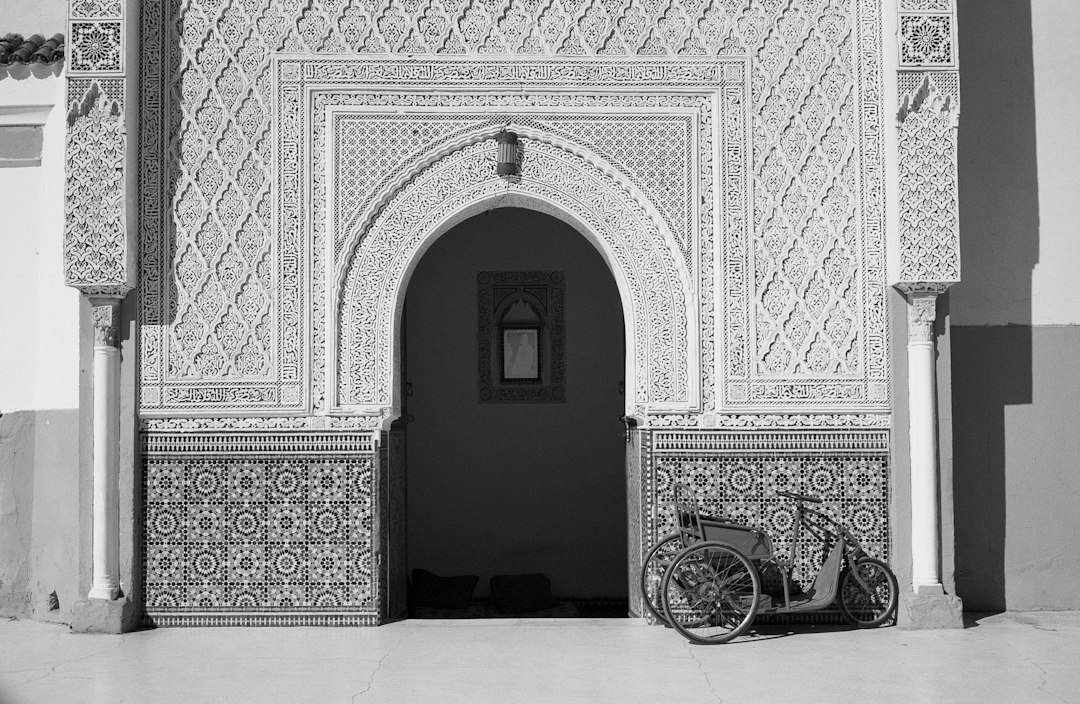
The sound of Souk el Khemis is that of bargaining in darija — the Moroccan Arabic dialect — conducted in low voices, almost discreetly, interrupted by the metallic noise of objects being moved and the passage of handcarts. There is no amplified music or the singing of vendors that characterizes the tourist souks of Djemaa el-Fna. Here the rhythm is different: slower, more authentic, at times almost silent.
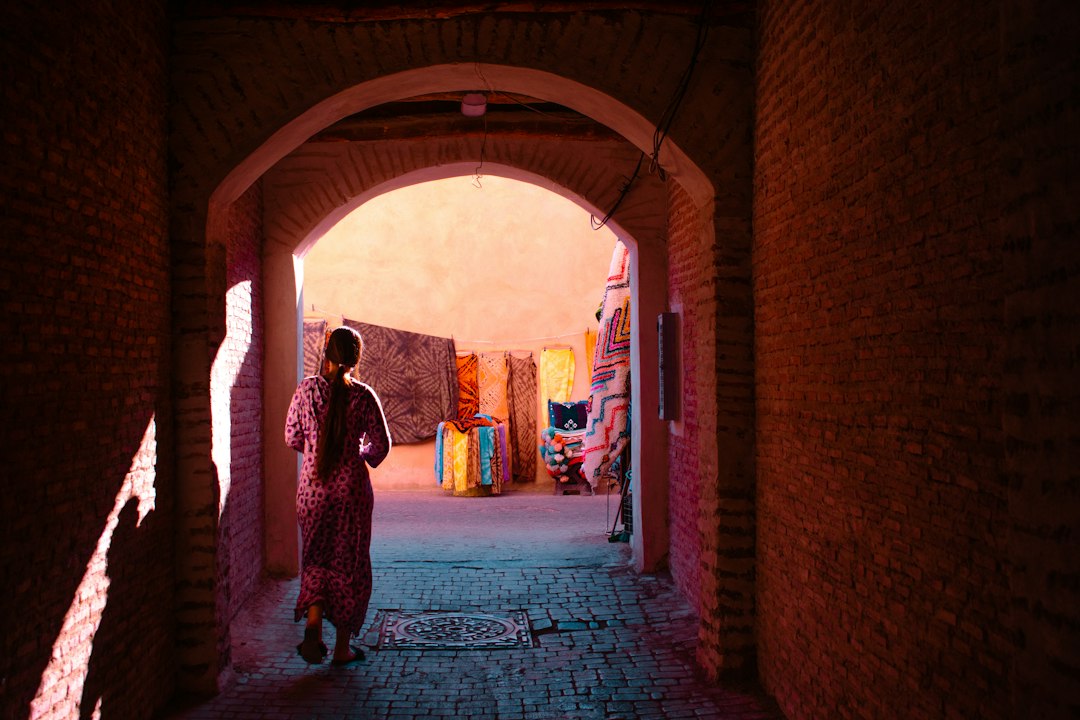
The regulars of the market are often brocanteurs, professional resellers who arrive early in the morning to grab the best pieces before the day picks up. You can recognize them because they move confidently among the stalls, touch the pieces without hesitation, and negotiate without raising their voices. Next to them, artisans looking for raw materials to reuse, and a few foreign residents who have learned to frequent this place to furnish their riads with original material at much lower prices compared to the shops in the medina.
Colors and Visual Details
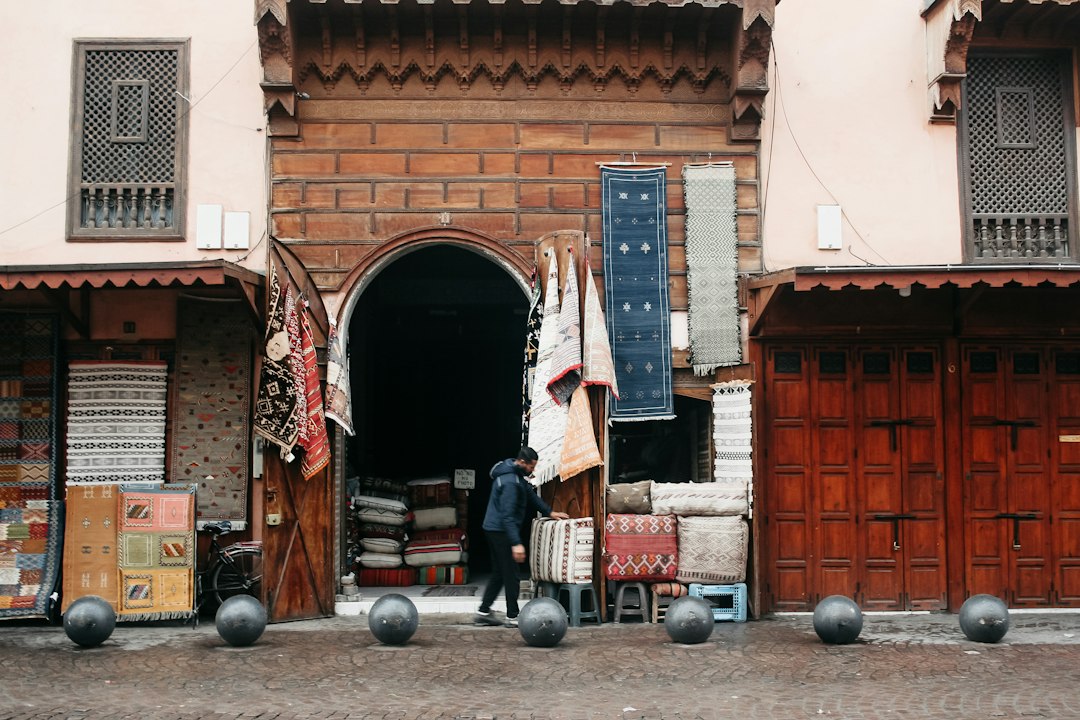
Visually, the market is a catalog of shades that no design store could replicate. The faded aqua of a door that has spent decades exposed to the sun is alongside the brick red of a series of zellij still held together by the original mortar. The oxidized metals create patinas of gray, green, and brown that restorers and photographers seek out insistently. The hemp ropes with which the bundles are tied add a warm and natural tone to the whole scene.
Bring a camera, but always ask for permission before photographing people: many vendors prefer not to be portrayed, and respecting this preference will often open up unexpected conversations and, at times, better prices.
Practical tips for visiting the Souk el Khemis
The market is located near Bab el Khemis, reachable on foot from the medina in about twenty minutes walking north, or with a short taxi ride from the Djemaa el-Fna square. The best time to visit is early morning, between 8 and 10, when the goods are still abundant and the vendors are fresh for the day. In the late afternoon, many stalls start to dismantle.
Bring with you cash in dirhams: there are no electronic payment systems. If you intend to purchase large items such as doors or mirrors, inquire in advance about international shipping options, as some vendors have contacts with local shippers accustomed to handling fragile or bulky items. Finally, do not rush: this is a market that rewards those who stop, look carefully, and let the conversation arise naturally.


