
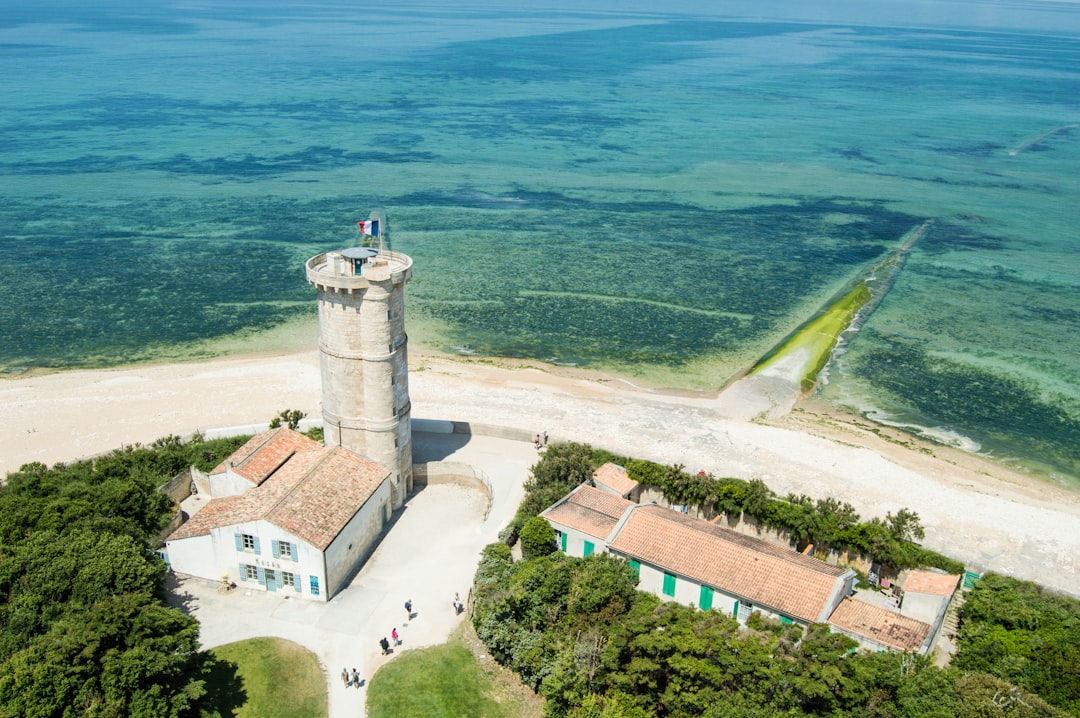

From the shore of Rovinj, the eye instinctively searches for it: a white tower emerging from the open sea, without piers, without bars, without anything else around. The lighthouse of Sveti Ivan na pučini — which in Croatian literally means "Saint John offshore" — stands on a tiny islet off the Istrian coast, reachable only by sea with a private or rented boat. There is no regular ferry, there is no ticket to purchase: either you organize it yourself, or you do not arrive.
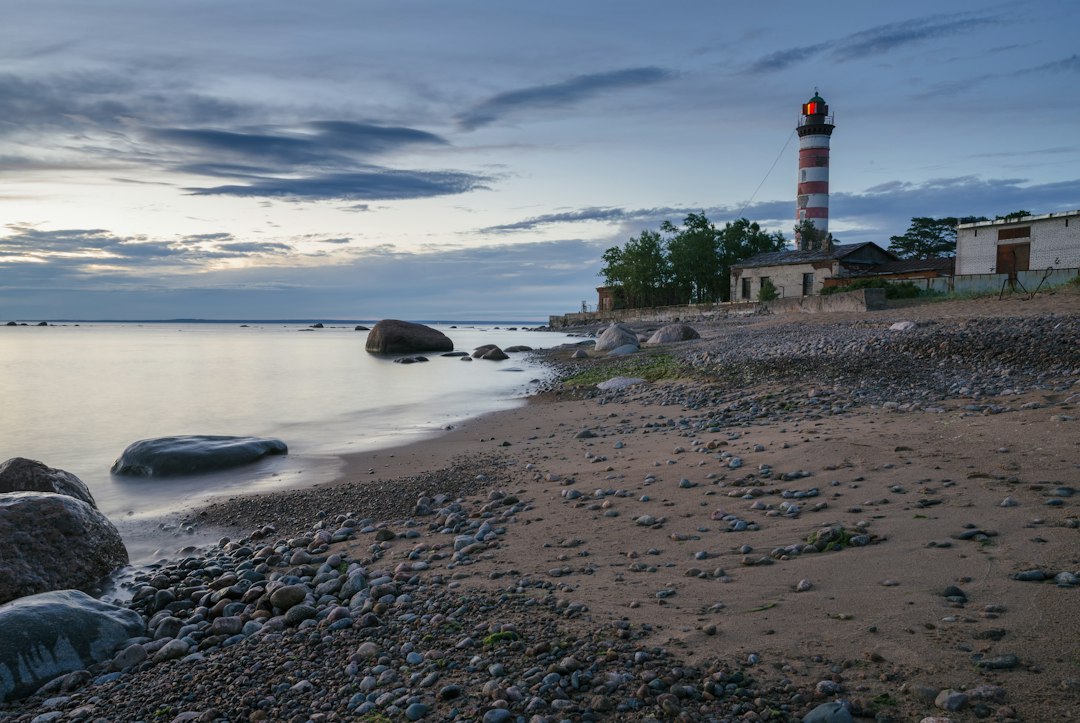
This inaccessibility is exactly what makes the place extraordinary. In an era when every picturesque rock in the Adriatic seems to have gained a bathing platform and a cocktail kiosk, Sveti Ivan na pučini remains stubbornly itself: rock, light, wind, and water so clear it becomes almost colorless. For those who love lighthouses not as decoration but as functional architecture with a concrete history, this is a pilgrimage worth the trouble.
History and Structure of the Lighthouse
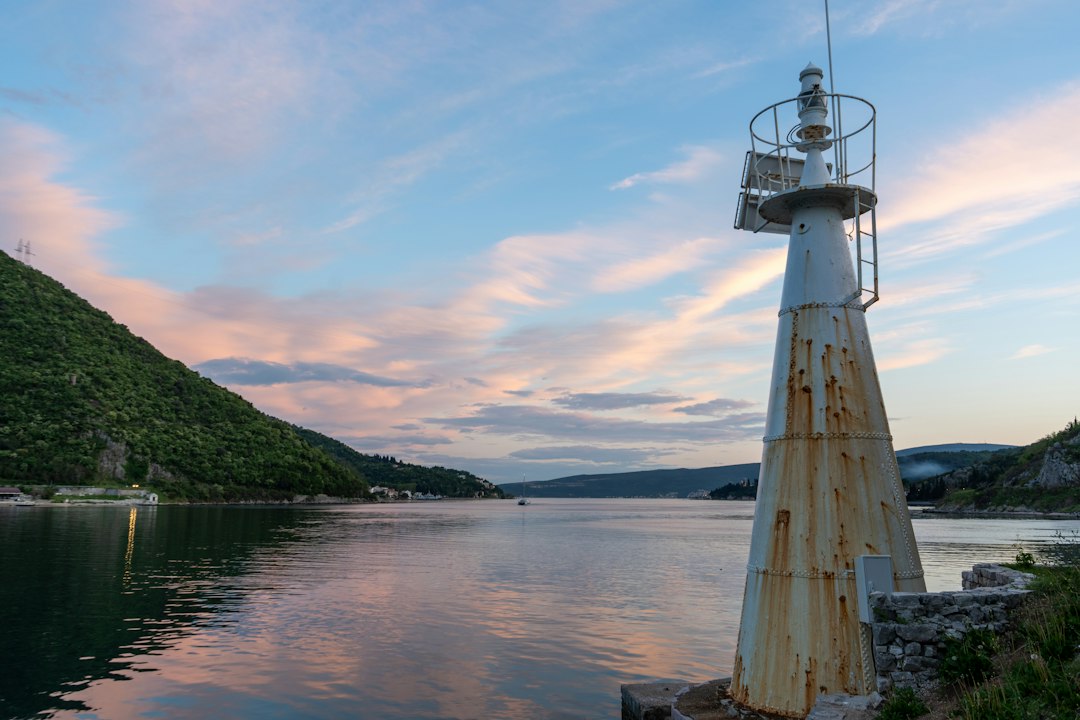
The lighthouse of Sveti Ivan na pučini was built in the second half of the 19th century, during the period of Austro-Hungarian administration that controlled Istria and much of the Dalmatian coast. The Habsburg Empire systematically invested in maritime signaling along these coasts, and the lighthouse of Rovinj offshore is part of that naval safety policy that dotted the eastern Adriatic with white towers. The structure is made of local stone, with the tower rising about fifteen meters above the level of the islet, high enough to be visible from a considerable distance on clear nights.
Approaching by boat, one immediately notices the austere simplicity of the building: the cylindrical tower is flanked by a low residential body, once the home of the lighthouse keeper and his family. Like many Adriatic lighthouses, this one was managed for generations by families living in almost total isolation, with supplies arriving periodically from the mainland. Today the lighthouse is automated and does not require a permanent human presence, but the residential structure is still visible and intact.
The landscape around: water, rock, and silence
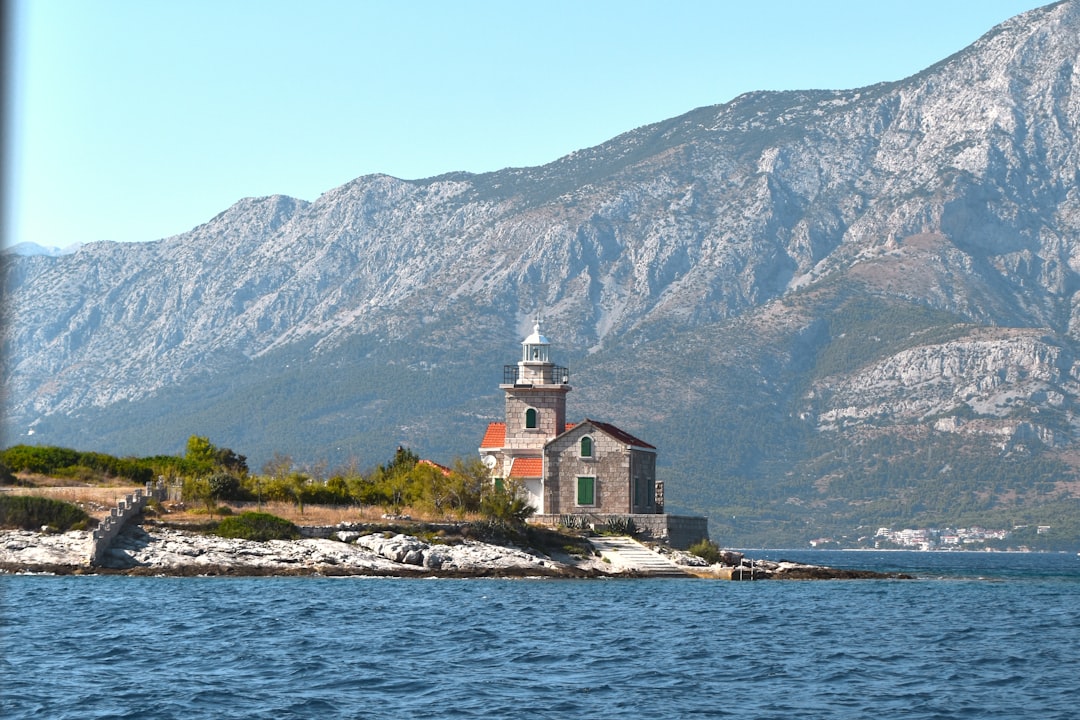
The islet on which the lighthouse stands is small enough to be circumnavigated by boat in a few minutes. The waters around are of a clarity that is almost unsettling: the bottom can be seen at depths that elsewhere would require a mask and fins. The rocky seabeds of the Istrian Adriatic, in this area, host a still rich marine fauna, and it is not uncommon to see schools of fish moving slowly beneath the hull of the boat.
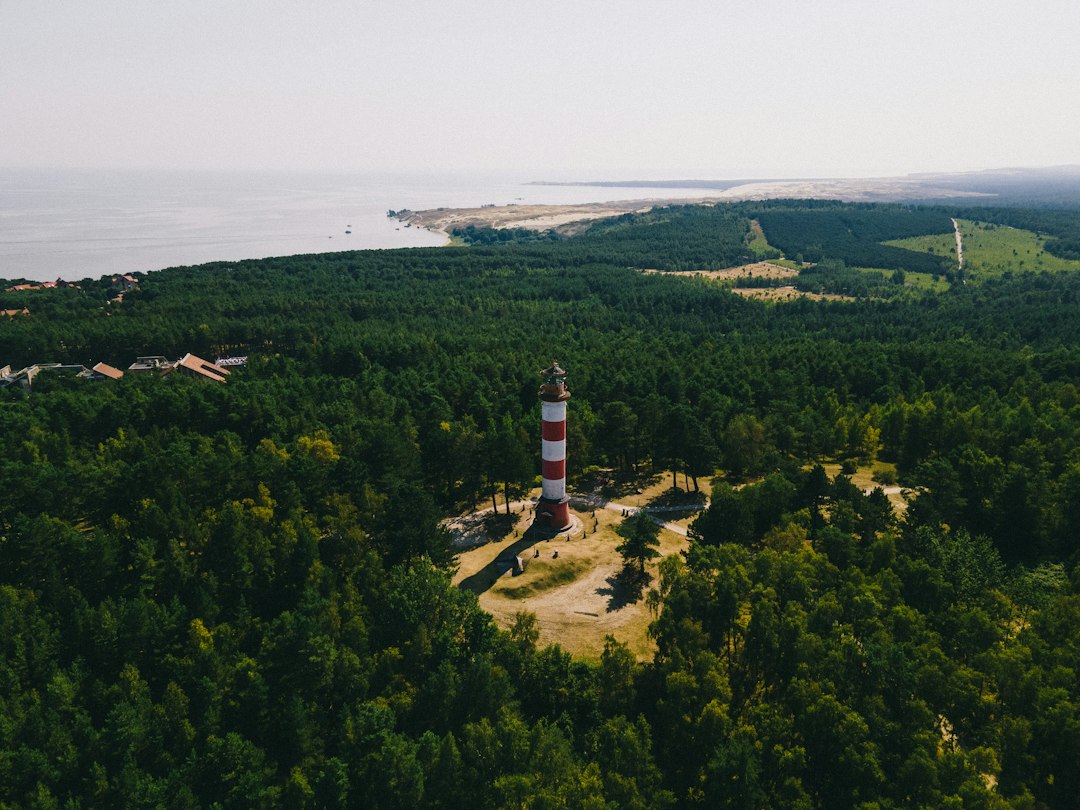
The vegetation on the island is sparse and resilient, as befits a place battered by wind and salt. There are no tall trees, no comfortable shadows: only low Mediterranean scrub, light limestone rock, and the white of the tower reflecting the sunlight. On days of bora — the north-eastern wind typical of these coasts — the place takes on an almost dramatic quality, with the sea rippling and the lighthouse continuing unperturbed to mark its presence.
How to get there and practical advice
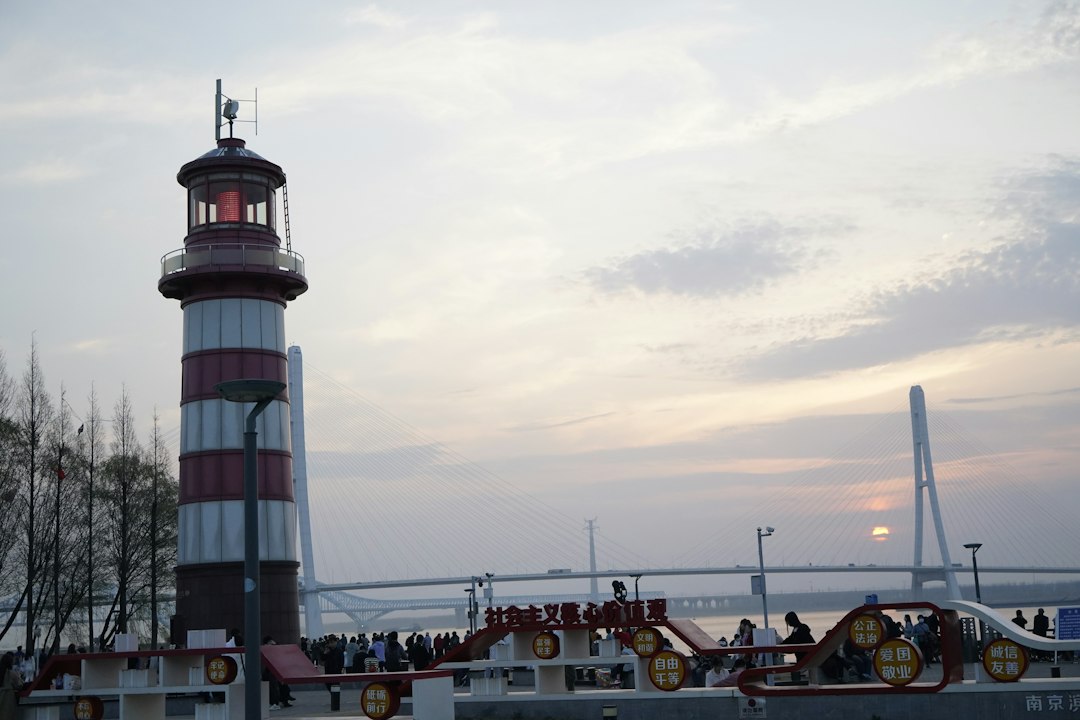
From Rovinj, the easiest way to reach Sveti Ivan na pučini is to rent a boat at the city's port — options range from inflatable boats without a license for short distances to motorboats with a skipper. The crossing takes varying amounts of time depending on the vessel, but under normal conditions, it is just a few kilometers from the port of Rovinj. Some local agencies offer private excursions upon request, often combining the lighthouse with other islets in the area.
The best time to visit is early in the morning during summer, when the light is still oblique and the sea tends to be calmer. From July to August, maritime traffic in the area increases significantly, so those who prefer to find the islet deserted should aim for June or September. Bringing water and food is essential: there are no services on the island. Shoes with non-slip soles are useful for moving on the coastal rocks. Finally, always check the weather forecast before departing: the open sea changes quickly, and a pleasant excursion can become complicated with strong winds.
Why the trip is worth it
There are places that work by contrast: Sveti Ivan na pučini is worth it mainly because it offers none of what one expects from a tourist destination. No explanation, no marked path, no hospitality structure. Just a lighthouse that has done its job for over a century, an island that has not been tamed, and a sea that at certain moments of the day takes on colors that seem almost unreal.
For those arriving from Rovinj — already one of the most photogenic cities in Istria, with its Venetian bell tower and ochre houses descending towards the harbor — the lighthouse offshore represents an unexpected appendage: a fixed point on the horizon that invites one to leave the mainland and remember that the Adriatic, just a few minutes from the shore, can still surprise.


