



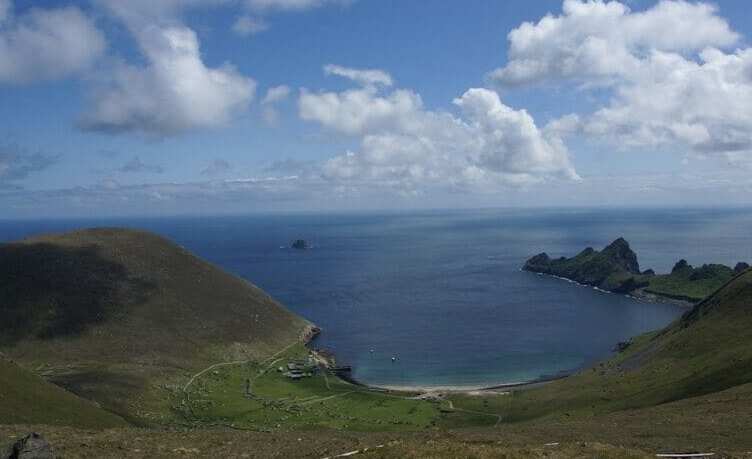
Nestled in the Outer Hebrides of Scotland, St Kilda stands as a testament to resilience and natural beauty, captivating visitors with its rugged cliffs and rich history. This unique archipelago, comprising five islands—Hirta, Soay, Borerary, Dun, and Levenish—was designated a UNESCO World Heritage Site in 1986, celebrating its exceptional cultural and natural significance.
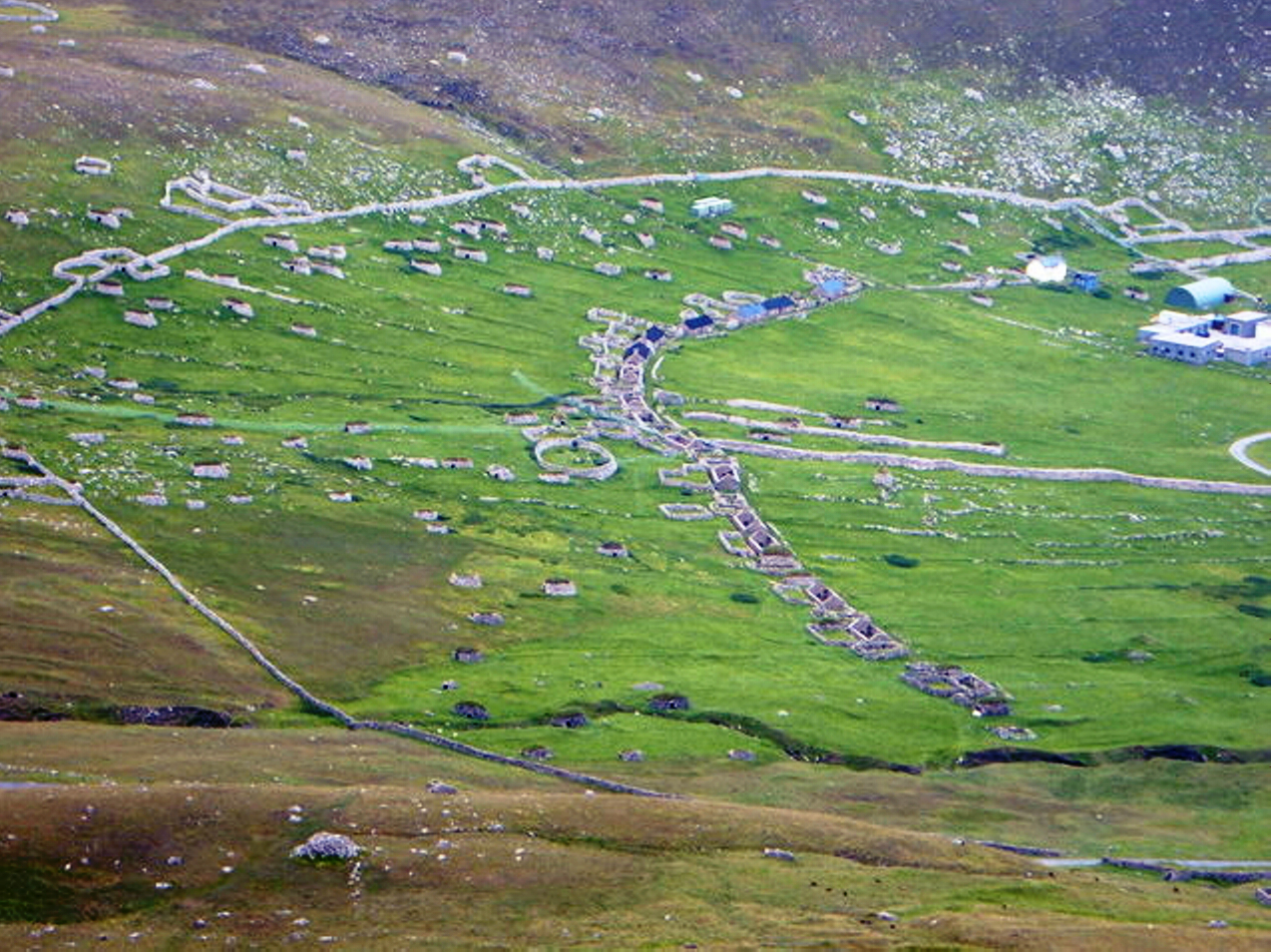
The history of St Kilda is as dramatic as its landscape. Evidence suggests that humans have lived on these islands for at least 4,000 years. The earliest settlers were likely Mesolithic hunter-gatherers, who left behind traces of their existence in the form of tools and remains. By the Iron Age, the inhabitants had established a more permanent community, farming and fishing in harmony with the surrounding sea. However, the most poignant chapter in St Kilda's history unfolded in the early 20th century. In 1930, the last 36 residents were evacuated due to a combination of famine, a declining population, and the challenges of isolation. This marked the end of a unique way of life that had persisted for centuries, leaving behind hauntingly beautiful ruins and a rich cultural legacy.
The architecture of St Kilda is a reflection of its harsh environment and the resourcefulness of its people. The stone houses on Hirta are particularly notable, built with local materials and designed to withstand the fierce Atlantic winds. Many of these structures, like the Village Bay, still stand today, showcasing a blend of practicality and ingenuity. Visitors can also find the remains of cleits, small stone huts used for storing food, which are scattered throughout the islands. These architectural elements tell stories of adaptability, highlighting how locals thrived under demanding conditions.
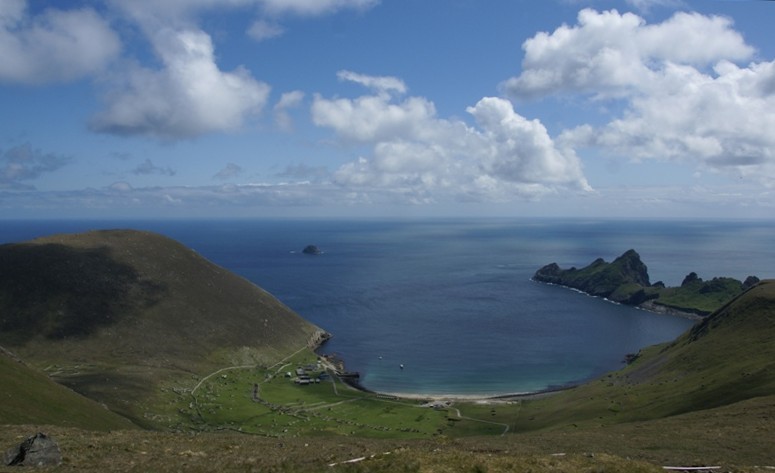
Local culture on St Kilda revolved around a strong sense of community and a deep connection to the land and sea. Traditional customs included fishing and sheep farming, with the inhabitants relying heavily on the sea for sustenance. The annual guga hunt, where young gannets were harvested, played a crucial role in their diet and culture, symbolizing the community's resourcefulness. Although the islands are now deserted, remnants of these traditions endure, and the spirit of St Kilda lives on in the stories passed down through generations.
Gastronomy on St Kilda was dictated by the natural resources available. The diet primarily consisted of seabirds, fish, and wild plants. The guga, or young gannet, was particularly valued; its meat was preserved for winter months, and its feathers used for bedding. Islanders also relied on seaweed, which provided essential nutrients. Today, while no one resides on St Kilda, the flavors of the sea continue to resonate through local cuisine in the nearby Hebrides, where fresh fish and shellfish dominate menus.
Visitors to St Kilda are often surprised to learn about its unique wildlife. The islands are home to the largest seabird colony in the northeast Atlantic, including Atlantic puffins, gannets, and fulmars. The staggering cliffs provide ideal nesting locations, and during the summer months, the islands are alive with the sounds and sights of these birds. Additionally, St Kilda’s remote setting offers opportunities for spotting rare marine life, including dolphins and porpoises, making it a paradise for wildlife enthusiasts.
For those looking to visit this remarkable destination, the best time to explore St Kilda is between May and September when the weather is milder and wildlife is abundant. However, reaching St Kilda is an adventure in itself, as there are no direct transport links. Most visitors arrive by boat from Leverburgh or Oban, with guided tours available for a more informative experience. It’s essential to check the weather and book in advance, as the unpredictable conditions can affect travel plans. Once on the islands, take time to hike the rugged terrain and soak in the stunning views of the cliffs and sea.
Among the lesser-known curiosities of St Kilda is its role during World War II; the islands were used as a military observation post. The ruins of wartime installations still remain, adding another layer of history to this remarkable place. Additionally, the hauntingly beautiful landscape has inspired writers and artists, solidifying St Kilda's place not just in history but in the hearts of those who appreciate its ethereal beauty.
St Kilda is not merely a destination; it is a journey into the past, a place where nature and history intertwine in extraordinary ways. For those wishing to immerse themselves in this enchanting archipelago, consider using the Secret World app to create a personalized itinerary that caters to your interests and helps you discover the hidden gems of St Kilda.
