



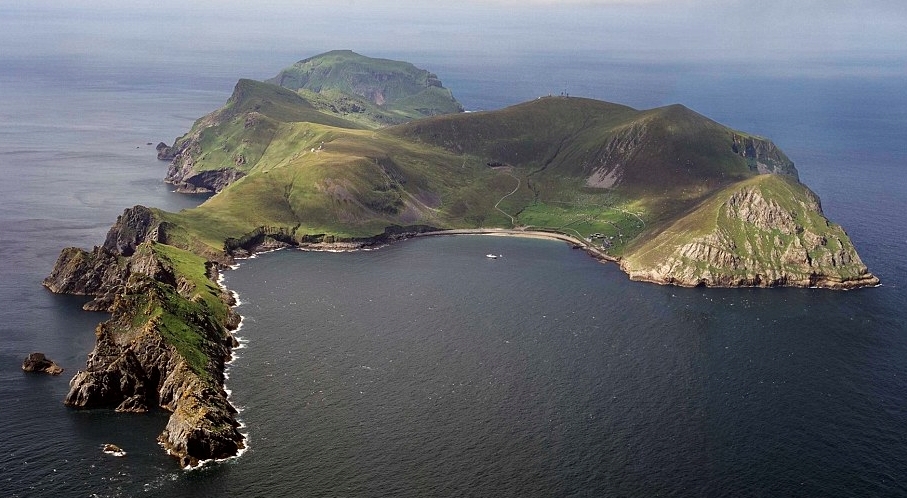
St Kilda is a volcanic archipelago that captures the imagination with its rugged landscapes and rich history. Situated off the Hebrides in Scotland, the archipelago comprises Hirta, Dun, Soay, and Boreray. Known for its dramatic cliffs, which are among the highest in Europe, St Kilda is a sanctuary for rare and endangered bird species, including the unmistakable puffins and gannets. The islands, uninhabited since 1930, tell a story of human resilience and adaptation in one of the world’s most extreme environments.
### History and Origins
The history of St Kilda is steeped in mystery, with evidence of human occupation dating back over 2,000 years. The earliest settlers are believed to have been Picts, whose agricultural practices shaped the landscape. By the 18th century, the islands had become home to a small community that relied heavily on the sea and the abundant birdlife for sustenance.
Key historical events include the evacuation of the last inhabitants in 1930, prompted by a combination of harsh living conditions and the decline of traditional livelihoods. The community's story is captured in the writings of Martin Martin, who visited in 1695, providing a rare glimpse into the lives of the islanders and their unique customs. The islands were designated a UNESCO World Heritage Site in 1986, recognizing their cultural and natural significance.
### Art and Architecture
St Kilda's architecture is a reflection of its cultural heritage and the harsh environment in which its people lived. The traditional stone houses, known locally as cleits, are expertly built to withstand the fierce Atlantic storms. These structures, along with the remains of ancient field systems, serve as a testament to the ingenuity of the islanders.
One notable aspect of St Kilda’s artistic significance is the intricate stone carving found on the island, which showcases the craftsmanship and creativity of its past inhabitants. The stark beauty of the landscape has also inspired contemporary artists and photographers, who seek to capture the haunting yet beautiful essence of the islands.
### Local Culture and Traditions
Despite the absence of a permanent population, the cultural legacy of St Kilda endures through local customs and the stories passed down through generations. Festivals celebrating the islands' heritage are held annually, where visitors and locals alike can immerse themselves in traditional Scottish music and dance.
One of the most revered customs is the practice of fowling, a tradition that involved climbing cliffs to harvest seabirds. This practice not only provided food but also fostered a deep connection with nature and the surrounding environment. Visitors to the islands can learn about these traditions through guided tours, giving them insight into the unique relationship between the islanders and their land.
### Gastronomy
While St Kilda may not have a thriving culinary scene today, its historical gastronomy is fascinating. The islanders relied heavily on seabirds and sheep, with dishes such as stewed fulmar and roasted lamb featuring prominently in their diets. Local delicacies included seaweed, which was harvested and used for seasoning and nutrition.
Today, any culinary exploration in the vicinity of St Kilda often includes traditional Scottish fare, with a focus on locally sourced ingredients. Visitors can find dishes that celebrate the maritime heritage of the area, such as fresh seafood, alongside hearty Scottish stews and oatcakes.
### Lesser-known Curiosities
St Kilda is not just a destination for breathtaking views; it is also full of fascinating quirks. One intriguing fact is that the islands were once home to a unique breed of Soay sheep, which are believed to be descendants of the earliest domesticated sheep. These animals are integral to the archipelago's ecosystem and have adapted uniquely to the harsh conditions.
Another lesser-known story revolves around the St Kilda mouse, a species that has become extinct following the evacuation of the islands, highlighting the delicate balance of life in this isolated environment. The stories of shipwrecks and maritime exploration also pepper the history of St Kilda, with many vessels meeting their fate in the treacherous waters surrounding the islands.
### Practical Visitor Information
Visiting St Kilda is an adventure in itself. The best time to experience its rugged beauty is between May and September, when the weather is milder, and wildlife is most active. Regular boat trips operate from Leverburgh on Harris, offering a unique chance to witness the cliffs and bird colonies up close.
When planning your visit, be sure to dress appropriately for the weather, as conditions can change rapidly. Look out for the famous puffin colonies on Hirta and explore the remnants of the village, where stone structures tell the tales of a bygone era.
For those seeking a personalized exploration of this extraordinary location, consider using the Secret World app to plan your itinerary.
