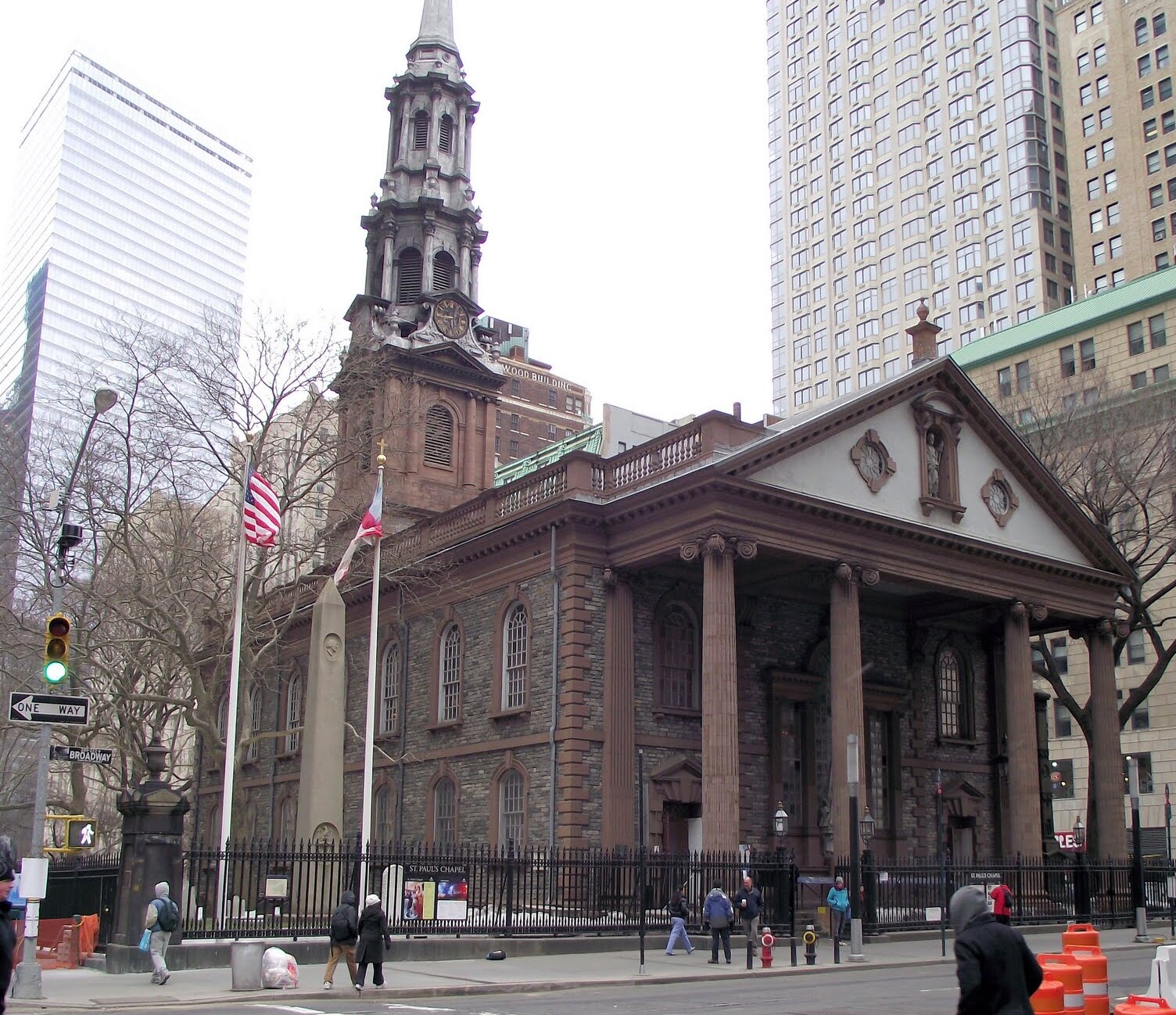

St. Paul's Chapel, the oldest church in Manhattan, stands as a steadfast witness to the city’s tumultuous history. Nestled at 40.7113281, -74.0091831, this serene oasis has served as a beacon of faith and resilience since its completion in 1766. As a National Historic Landmark, it is not just a place of worship; it embodies the story of New York itself, with its walls whispering tales from the American Revolution to contemporary times.
### History and Origins
Constructed on land granted by Queen Anne of England, St. Paul's Chapel was designed by architect Thomas Mcbean and built by Andrew Gautier. Initially located on the outskirts of what was then a burgeoning settlement, the chapel now sits at the heart of Lower Manhattan. Its endurance is remarkable; it is one of the few buildings that survived the Great New York Fire of 1776, a pivotal event that incinerated much of the city.
St. Paul's gained prominence following the destruction of Trinity Church during the fire, assuming a critical role in the community. The chapel is steeped in revolutionary history; it served as a place of worship for George Washington, who famously attended services there. His pew is still intact, offering visitors a glimpse into the past. Additionally, the chapel houses artifacts from the Revolutionary era, including the first painting of the Great Seal of the United States, adding layers of historical significance to its already rich tapestry.
### Art and Architecture
Reflecting the Georgian architectural style, St. Paul's Chapel is modeled after St. Martin-in-the-Fields in London. Its tall, oblong tower rises gracefully, adorned with a wooden statue of St. Paul on the Broadway façade. Inside, the chapel boasts a stunning flat, high ceiling painted in pale blue, complemented by exquisite cut-glass chandeliers that illuminate the interior with a soft glow.
The altar decoration, crafted by Pierre L'Enfant, the designer of Washington, D.C., further enhances the chapel's artistic allure. The delicate balance of light and space within the chapel creates a tranquil atmosphere, inviting visitors to pause and reflect. The craftsmanship tells a story of dedication and artistry, making it a valued piece of not just religious architecture but of American heritage.
### Local Culture and Traditions
St. Paul's Chapel is not just a historic site; it remains an active part of the local community. It plays host to various cultural events and traditions throughout the year. Notably, the chapel holds Christmas services, where the community gathers to celebrate in a setting steeped in history.
Additionally, the chapel’s cemetery, which is one of the oldest in Manhattan, contains the graves of several patriots who served under Washington during the revolution. This cemetery is not just a resting place but a testament to the lives that shaped the nation. The annual Cemetery Walk, where guides share stories of the notable figures buried there, is a must for history enthusiasts.
### Gastronomy
While St. Paul's Chapel itself is not a culinary destination, its proximity to Lower Manhattan offers a delightful exploration of local gastronomy. Just steps away, you can find iconic New York fare. Be sure to indulge in a classic New York bagel, often enjoyed with cream cheese and lox. Nearby, the historic Fraunces Tavern serves up hearty American dishes and is a nod to the city’s revolutionary past.
For a sweet treat, don't miss out on the famous New York cheesecake or a slice of New York-style pizza. Both are quintessential to experiencing the local flavors that have become synonymous with the city’s culinary landscape.
### Lesser-Known Curiosities
St. Paul's Chapel is rich with lesser-known stories that intrigue visitors. One fascinating detail is that it served as a relief center for first responders during the aftermath of the September 11 attacks in 2001. The chapel became a refuge for those who rushed to assist, providing shelter and support during a time of great need.
Additionally, visitors might be surprised to learn that the chapel has a secret garden tucked away from the bustling streets of Manhattan. This peaceful retreat is often overlooked, making it a perfect spot for quiet contemplation amid the urban chaos.
### Practical Visitor Information
The best time to visit St. Paul's Chapel is during the spring and fall when the weather is mild, and the surrounding park areas are particularly beautiful. Weekdays tend to be less crowded than weekends, giving you a more intimate experience.
When visiting, be sure to look for the pew where Washington sat and admire the intricate details of the interior, including the artistic ceiling and the ornate chandeliers. Taking a moment to explore the cemetery offers a unique perspective on the historical figures who contributed to the nation's founding.
For those looking to dive deeper into New York’s history, consider downloading the Secret World app to plan a personalized AI itinerary that includes this cherished landmark.
