
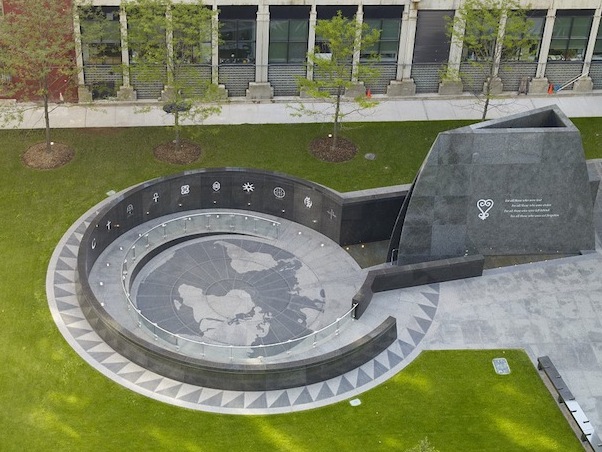

In the heart of Lower Manhattan, amid the bustling streets and towering skyscrapers, lies a profound testament to the resilience and legacy of African-Americans: the New York African Burial Ground. This sacred site, where approximately 15,000 free and enslaved African-Americans were laid to rest between 1690 and 1794, stands as a powerful reminder of the often-overlooked contributions of the African diaspora to American history.
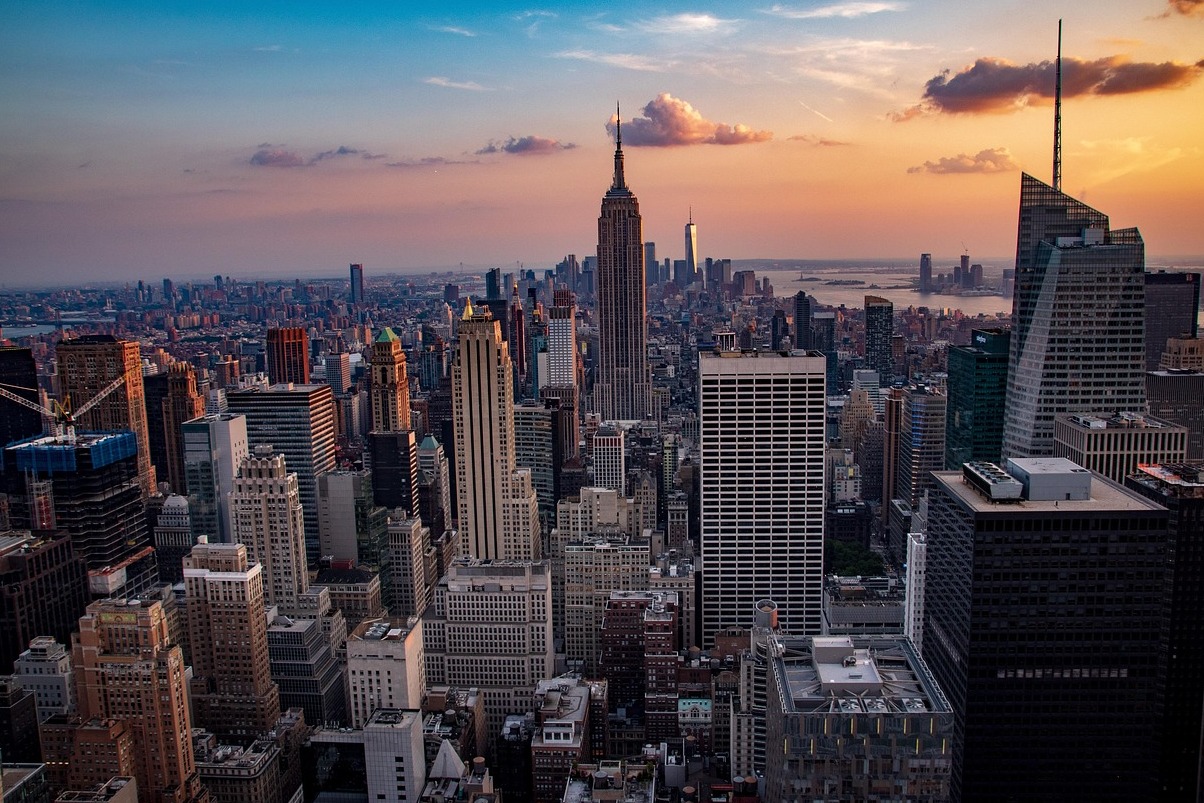
The origins of this burial ground trace back to the early days of New Amsterdam, a Dutch settlement established in the early 1600s. As the city expanded, the site, which was once on the outskirts, became a burial ground for African-Americans who were integral to the development of the colony. Despite their significant contributions to the economy, particularly in agriculture and labor, these individuals were largely marginalized in historical narratives. The burial ground remained undisturbed until the 1990s, when it was rediscovered during construction for a federal office building. This revelation ignited a wave of interest and led to its designation as a National Monument.
Architecturally, the site features a unique blend of memorialization and education. The outdoor memorial, designed by Rodney Leon, is a poignant tribute to the lives buried here. The granite Wall of Remembrance is inscribed with significant historical events, serving as a timeline that connects visitors with the past. This wall, combined with the serene landscape and reflective pools, creates a space for contemplation and connection. Inside the Ted Weiss Building, the interactive visitor center further enhances the experience, showcasing commemorative art and exhibitions that highlight the struggles and achievements of African-Americans throughout history.
Culturally, the burial ground has become a focal point for local traditions and memorial activities. Events such as the African Burial Ground Memorial ceremony held annually in October draw crowds from around the city and beyond, celebrating the legacy of those interred. Local customs often intertwine with these commemorative activities, emphasizing the importance of remembrance and education. The site serves as an essential community space where stories are shared, and history is honored.
When it comes to gastronomy, the surrounding neighborhoods of Lower Manhattan offer a rich tapestry of culinary delights that reflect the diverse heritage of the city. While visiting the burial ground, one might indulge in soul food at nearby restaurants, featuring dishes like fried chicken, collard greens, and cornbread that echo the culinary traditions of African-American culture. For a truly local experience, sampling a slice of New York-style pizza or enjoying a bagel from a local deli can also be a delightful nod to the city’s melting pot of flavors.
Among the lesser-known curiosities of the site is the story of the rediscovery itself. In 1991, construction workers stumbled upon human remains while excavating for a new building, leading to an archaeological dig that would uncover thousands of skeletons. This discovery not only sparked a significant archaeological effort but also ignited discussions about the preservation of African-American history in urban spaces. Furthermore, the burial ground is one of the largest colonial-era African burial sites in the United States, providing insight into the lives and struggles of the African community during a pivotal time in American history.
For those planning a visit, the best time to explore the New York African Burial Ground is during the spring or fall when the weather is mild, and the outdoor memorial can be fully appreciated. The visitor center is open year-round, offering a wealth of resources and engaging programs. It’s recommended to allocate a few hours to fully immerse oneself in the exhibitions, watch the 4D film, and reflect on the significance of the memorial. Be sure to check the schedule for any special events or guided tours that may enrich your visit.
As you walk among the memorials and reflect on the lives that shaped this city, the New York African Burial Ground invites you to connect with a vital part of history that is often left unspoken. This site not only honors the past but also serves as a beacon for future generations, reminding us of the importance of remembering and acknowledging every facet of our shared history.
For a more personalized experience in planning your visit to New York, consider using the Secret World app to create your own tailored itinerary.


