
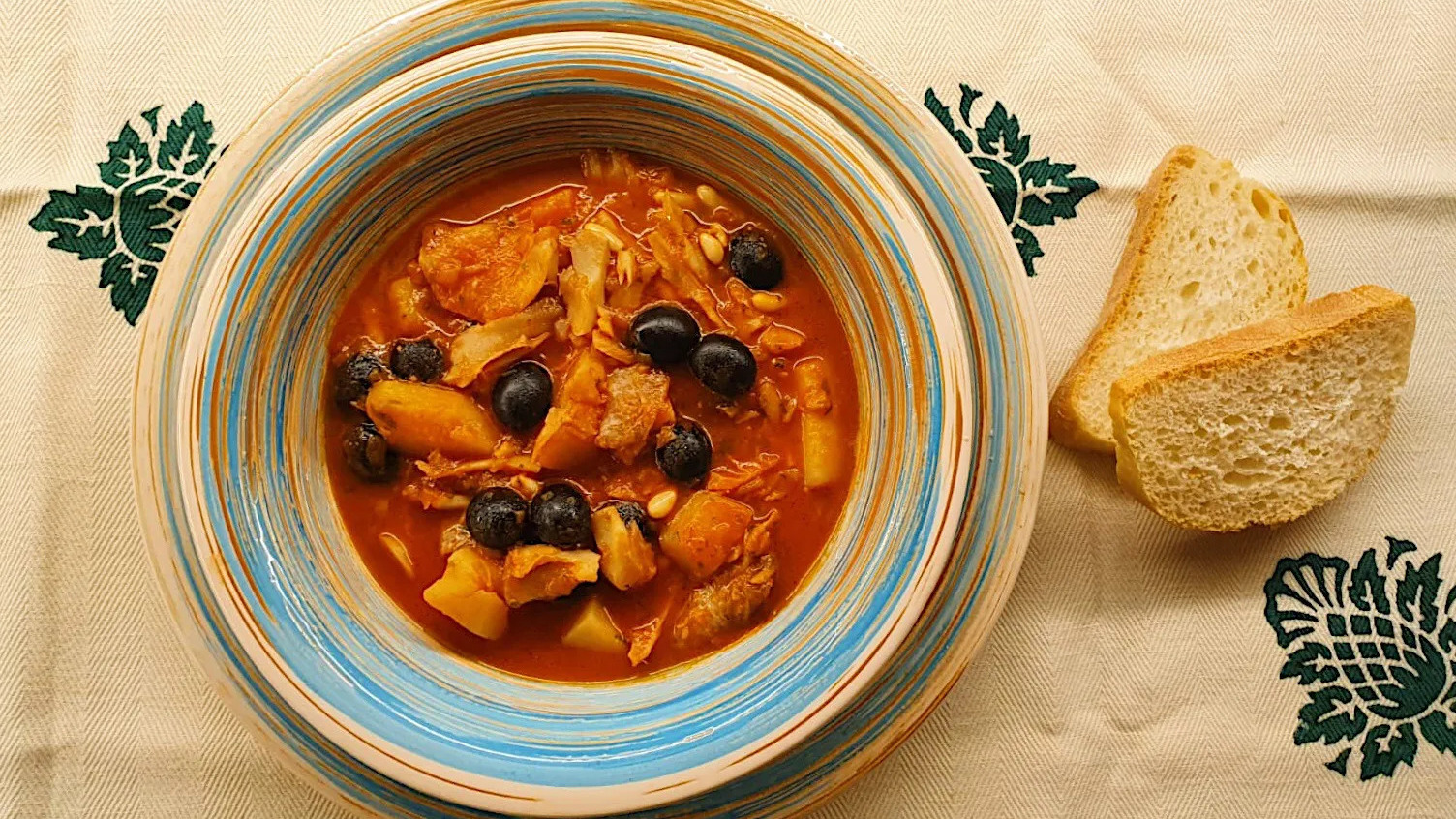

Nestled in the sun-drenched embrace of Elba Island, the quaint village of Cavo offers a unique taste of Italy’s rich maritime history, particularly through its cherished local delicacy, stockfish riese style. This traditional dish is not merely a culinary delight; it embodies the island’s past, weaving together stories of cultural exchange and religious observance.
Historically, the origins of stockfish on Elba are believed to trace back to the Spanish, who guarded Forte San Giacomo in Portolongone, now known as Porto Azzurro. However, some historians attribute its introduction to Tuscany to the Sephardic Jews who, escaping persecution in Spain during the 16th century, settled in Livorno. This migration brought with it a wealth of culinary traditions, including the preservation of fish through drying, a technique that remains popular to this day.
The practice of consuming stockfish reflects the region's adherence to religious customs, particularly during Lent and Fridays when meat was traditionally avoided. In Rio nell'Elba, stockfish became a staple during gatherings, often enjoyed during lively snacks and ribottas in the cellars, or on the beaches. These occasions were marked by cheerful festivities, where laughter, songs known as “stornellate,” and sometimes even playful brawls, or “scazzottate,” added to the merriment. The vibrant community spirit and the shared enjoyment of food created lasting memories and reinforced social bonds.
When it comes to art and architecture, Cavo, while small, encapsulates the charm of Tuscany's coastal villages. The local architecture reflects a blend of Medieval and Renaissance influences, with terracotta roofs and pastel-colored façades that cascade down the hillside towards the sea. Notably, the surrounding landscapes, including the rugged cliffs and crystal-clear waters, have inspired numerous artists over the centuries, making Cavo a picturesque setting for those seeking inspiration.
The local culture is rich with traditions that celebrate the island’s heritage. Festivals such as Festa di San Giacomo, held in the summer, attract locals and visitors alike. The festivities include processions, music, and, of course, an abundance of food, showcasing stockfish riese style as a highlight. This dish, prepared with simple yet flavorful ingredients—black olives, capers, pine nuts, tomatoes, anchovy fillets, onions, garlic, and a hint of chili—captures the essence of Mediterranean cuisine. The slow cooking method allows the stockfish to absorb the aromatic flavors, resulting in a dish that is both delicate and robust.
Delving deeper into the culinary landscape, one finds that stockfish is not just a meal but a celebration of local identity. Traditionally, it was crafted using methods passed down through generations, making it a symbol of resilience and community. The fish, often served as a second course, is accompanied by local wines, enhancing the experience with the region's rich viniculture.
One lesser-known curiosity about Cavo is its historical connection to the Napoleonic era. During his exile on Elba, Napoleon reportedly spent time in nearby Portoferraio, and while there, he indulged in the local delicacies, including stockfish. It is said that he appreciated the simplicity and heartiness of the dish, which is a testament to the island’s gastronomic appeal even to a figure of such stature.
For those planning a visit, the best time to explore Cavo is during the late spring and early fall when the weather is mild, and the tourist crowds are thinner. These seasons are perfect for enjoying outdoor activities, such as hiking along the scenic coastal trails or lounging on the pristine beaches.
Travelers should not miss the chance to visit the local markets, where fresh produce and artisanal goods abound. Engaging with local vendors can provide valuable insights into the region's culinary practices and traditions. Additionally, tasting stockfish riese style at a family-run trattoria can be a memorable experience, providing a direct connection to the island’s heritage.
In conclusion, Cavo is a hidden gem that offers a rich tapestry of history, culture, and gastronomy, all anchored by the beloved stockfish riese style. To uncover the intricacies of this enchanting destination, consider utilizing the Secret World app to craft a personalized AI itinerary for your trip to Cavo.


