
← Back

The Sanctuary of the Madonna di Monserrato

Via Cariglio, 17, 57036 Porto Azzurro LI, Italia ★★★★☆ 275 views
James Sun
17
🏆 AI Trip Planner 2026

Get the free app

Discover the best of 17 with Secret World — the AI trip planner with 1M+ destinations. Get personalized itineraries, hidden gems and local tips. Free on iOS & Android.

🧠 AI Itineraries 🎒 Trip Toolkit 🎮 KnowWhere Game 🎧 Audio Guides 📹 Videos
Download on the App Store Get it on Google Play
Scan to download Scan to download
The Sanctuary of the Madonna di Monserrato - 17 | Secret World Trip Planner

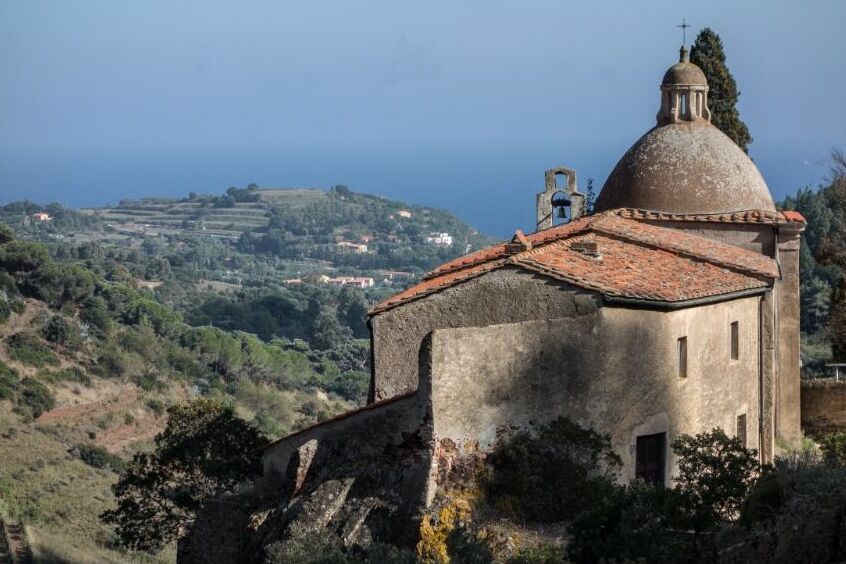
Perched majestically on a rocky outcrop in Tuscany, the Sanctuary of the Madonna di Monserrato unfolds a tale of faith and resilience against a backdrop of cypress trees and vibrant Mediterranean scrub. This serene sanctuary offers a unique glimpse into Italy's spiritual heritage, while providing breathtaking views of the lush valley below.

### History and Origins

The origins of the sanctuary date back to the 16th century, when local devotion to the Virgin Mary inspired the construction of this holy site. It is said that the sanctuary was built in 1596 by a group of Spanish pilgrims who sought a place to honor the famed Black Madonna of Montserrat, revered in Catalonia. Over the centuries, this humble church has witnessed several significant events, including numerous pilgrimages that have cemented its place in local spiritual life.

The sanctuary was not merely a religious site but also a refuge during turbulent times. In the 19th century, it became a gathering point for locals during political upheavals, reinforcing its status as a pillar of the community. The church has undergone various renovations, reflecting both the passage of time and the enduring faith of its visitors.

### Art and Architecture

Architecturally, the Sanctuary of the Madonna di Monserrato is an intriguing blend of simplicity and spirituality. The building is shaped like an irregular rectangle, with a sacristy that connects seamlessly to the main structure. Its unadorned façade tells a story of its evolution, while the classical dome crowned with a lantern and the sail-shaped bell tower add a distinctive silhouette against the Tuscan sky.

Inside, visitors may find the interior surprisingly bare, yet the peeling walls hint at a rich artistic history. Some sections reveal traces of frescoes, remnants of a time when the sanctuary was more opulently decorated. The focal point is undoubtedly the Black Madonna, a painting of Mary and the Child that draws pilgrims from near and far. Though its artistic merit may be modest, the emotional significance it holds for the faithful cannot be overstated. The image of Mary, adorned in flowing red and blue robes, cradling the Child and holding a flowering lily, symbolizes purity and hope.

### Local Culture and Traditions

The sanctuary is not just a site of worship; it is a vibrant center of local culture. Each year, the community hosts a feast day in honor of the Madonna di Monserrato, celebrated on the first Sunday of September. This event attracts visitors from all over, featuring traditional music, dance, and local artisans showcasing their crafts. The atmosphere is filled with joy and reverence as locals and pilgrims alike gather to pay homage to the Virgin.

Moreover, small rituals and traditions persist throughout the year, such as lighting candles in the sanctuary to seek blessings or offering personal prayers to the Madonna. These customs reinforce the sanctuary's role as a spiritual anchor for the community, intertwining faith with everyday life.

### Gastronomy

No visit to the Sanctuary of the Madonna di Monserrato is complete without indulging in the local gastronomy. The surrounding area is known for its Tuscany-inspired cuisine, featuring hearty dishes that reflect the region's agricultural bounty.

One must-try dish is Pici Cacio e Pepe, a simple yet delicious handmade pasta served with pecorino cheese and black pepper. Pair it with a glass of Chianti, the region’s renowned red wine, to elevate your culinary experience. Additionally, don’t miss the chance to savor local olive oil, praised for its rich flavor and used generously in many dishes.

### Lesser-Known Curiosities

While many visitors may flock to the sanctuary primarily for its spiritual significance, there are intriguing stories that often go unnoticed. One such tale involves a hidden underground passage said to connect the sanctuary to nearby villages, used by pilgrims and locals during times of crisis. Though its existence is debated, the legend adds an air of mystery to the site.

Another captivating aspect is the sanctuary’s role in fostering community. Local artisans often display their work here, ranging from handmade rosaries to paintings, creating a cultural dialogue that enriches the visitor experience. Additionally, the sanctuary serves as a venue for local musicians, who perform traditional songs that echo the region's history and heritage.

### Practical Visitor Information

For those eager to explore this hidden gem, the best time to visit the Sanctuary of the Madonna di Monserrato is during the spring and fall months, when the weather is mild and ideal for outdoor activities. Weekdays tend to be quieter, allowing for a more contemplative experience.

When planning your visit, consider taking a leisurely walk around the grounds to fully absorb the natural beauty surrounding the sanctuary. Look for the ancient olive trees, which are said to be over a century old, and don’t forget your camera to capture the stunning vistas.

As you explore the sanctuary and its surroundings, you will find that it is a place where history, spirituality, and community intertwine seamlessly.

For a personalized itinerary to make the most of your trip, consider using the Secret World app to guide your journey.

🗺 AI Trip Planner

Plan your visit to 17

Suggested itinerary near The Sanctuary of the Madonna di Monserrato

MAJ+
500.000+ travelers worldwide
  1. 🌅
    Morning
    The Sanctuary of the Madonna di Monserrato
    📍 17
  2. ☀️
    Afternoon
    Portoferraio, the safest port in the world
    📍 6.8 km da 17
  3. 🌆
    Evening
    Villa of the Mills
    📍 6.8 km da 17

Buy Unique Travel Experiences

Powered by Viator

See more on Viator.com

Explore nearby · 17

Frequently Asked Questions

The sanctuary was built in 1596 by a group of Spanish pilgrims who sought to honor the famed Black Madonna of Montserrat, which is revered in Catalonia. The construction was inspired by local devotion to the Virgin Mary and has since become an important spiritual site in Tuscany with a rich history of pilgrimages.
The sanctuary features a distinctive irregular rectangular shape with a classical dome crowned by a lantern and a distinctive sail-shaped bell tower that creates a memorable silhouette against the Tuscan sky. The building's unadorned façade reflects its evolution over time, while the interior reveals traces of historic frescoes beneath its peeling walls.
The focal point of the sanctuary is the Black Madonna, a painting of Mary and the Child that serves as the primary religious artifact drawing visitors to this holy site. This painting is connected to the Catalonian tradition of revering the Black Madonna of Montserrat that inspired the sanctuary's original construction.
The sanctuary is perched majestically on a rocky outcrop in Tuscany, surrounded by cypress trees and vibrant Mediterranean scrub. Visitors can enjoy breathtaking views of the lush valley below, making it both a spiritual destination and a scenic viewpoint.
Beyond its religious significance, the sanctuary served as a refuge during turbulent times and became a gathering point for locals during 19th-century political upheavals. This role reinforced its status as a pillar of the community and demonstrates how the site has been central to local spiritual and social life for centuries.
