
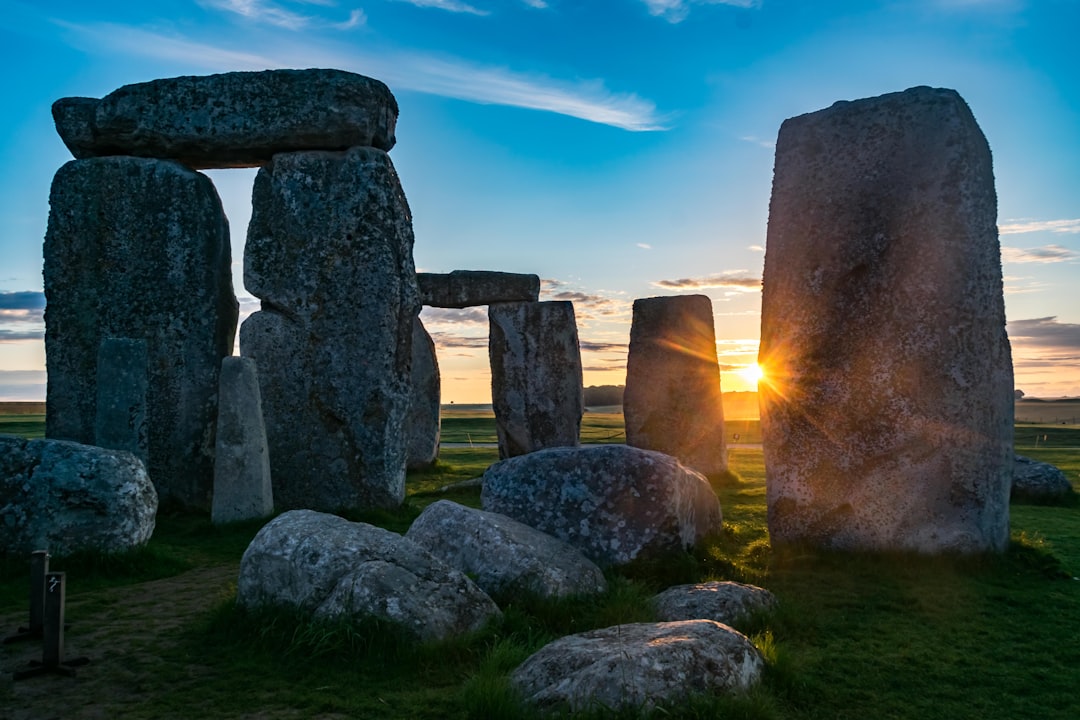

Immersed in the heart of the English countryside, Stonehenge is much more than just a simple group of enormous megaliths; it is a symbol of a distant era, a monument that continues to fascinate and question historians, archaeologists, and visitors from all over the world. Located in Amesbury, United Kingdom, this prehistoric site, declared a UNESCO World Heritage Site, is shrouded in a mystery that makes it unique in its kind.
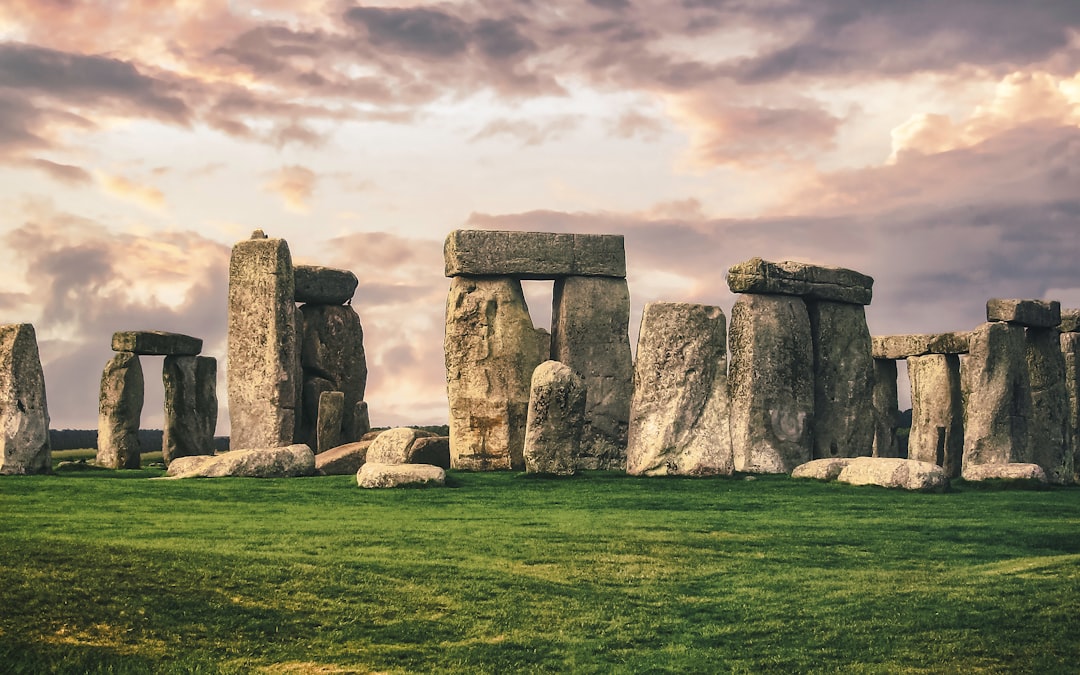
Every year, thousands of people visit Stonehenge to admire the majesty of these enigmatic stones, which seem to defy time itself. Their origin, meaning, and the methods used to transport them are just some of the questions that continue to stimulate the curiosity and imagination of all those who approach this incredible monument.
The History of Stonehenge
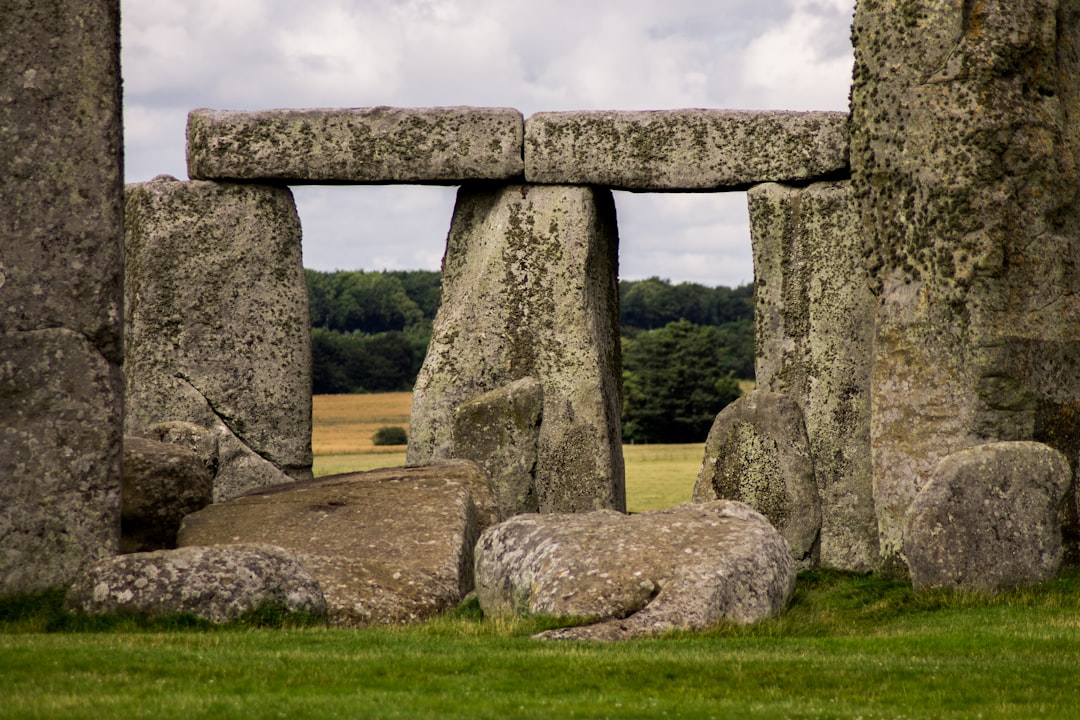
The origins of Stonehenge date back to about 5,000 years ago, when the first stones were erected. Archaeologists estimate that the construction of the megalithic site occurred in three distinct phases, the first of which began in the Neolithic. These enormous stones, some of which weigh up to 25 tons, were transported from a surprising distance, from the Preseli Hills in Wales, over 200 kilometers away.
The reason why our ancestors dedicated time and resources to such a colossal endeavor remains shrouded in mystery. Some historians believe that Stonehenge served a ceremonial function, a place of worship and celebration of the cycles of life, such as the summer solstice, when the sun rises directly above the main arch. Others suggest that it could have been an ancient astronomical observatory, used to track the movement of stars and planets.
Architecture and Meaning
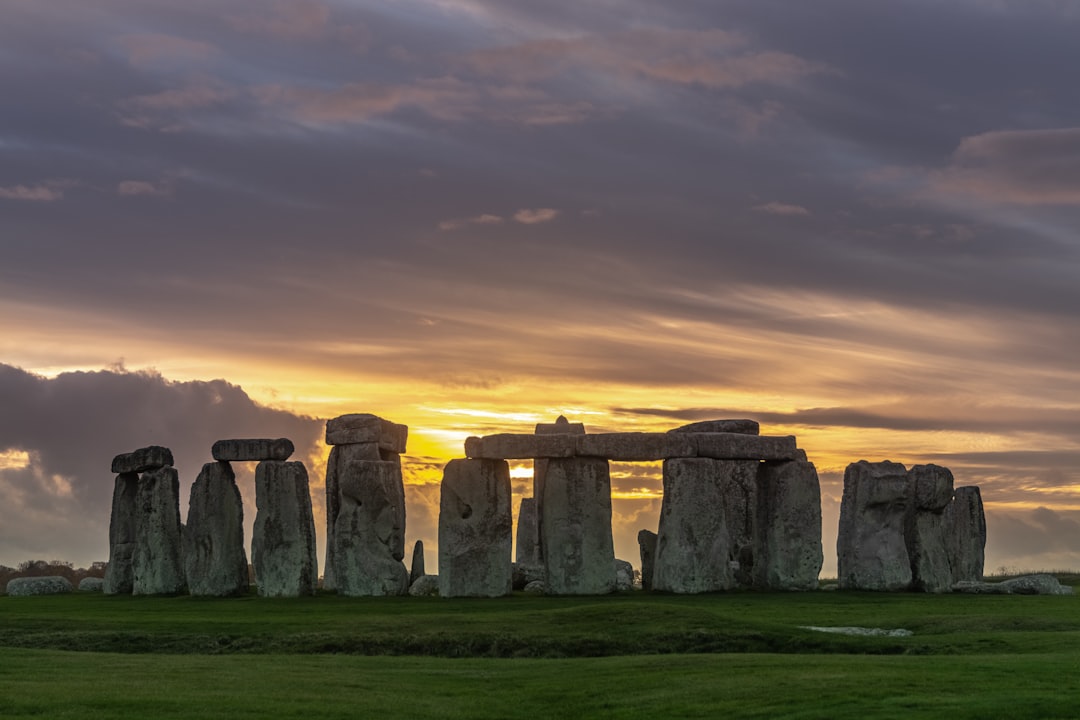
The structure of Stonehenge is composed of a circle of large blocks of limestone, arranged in an accurate circular formation. The central stone, known as the Heel Stone, marks the entrance to the site and aligns with the sun during the solstice. The stones are skillfully worked and stand tall, creating a sense of majesty and grandeur that impresses every visitor.
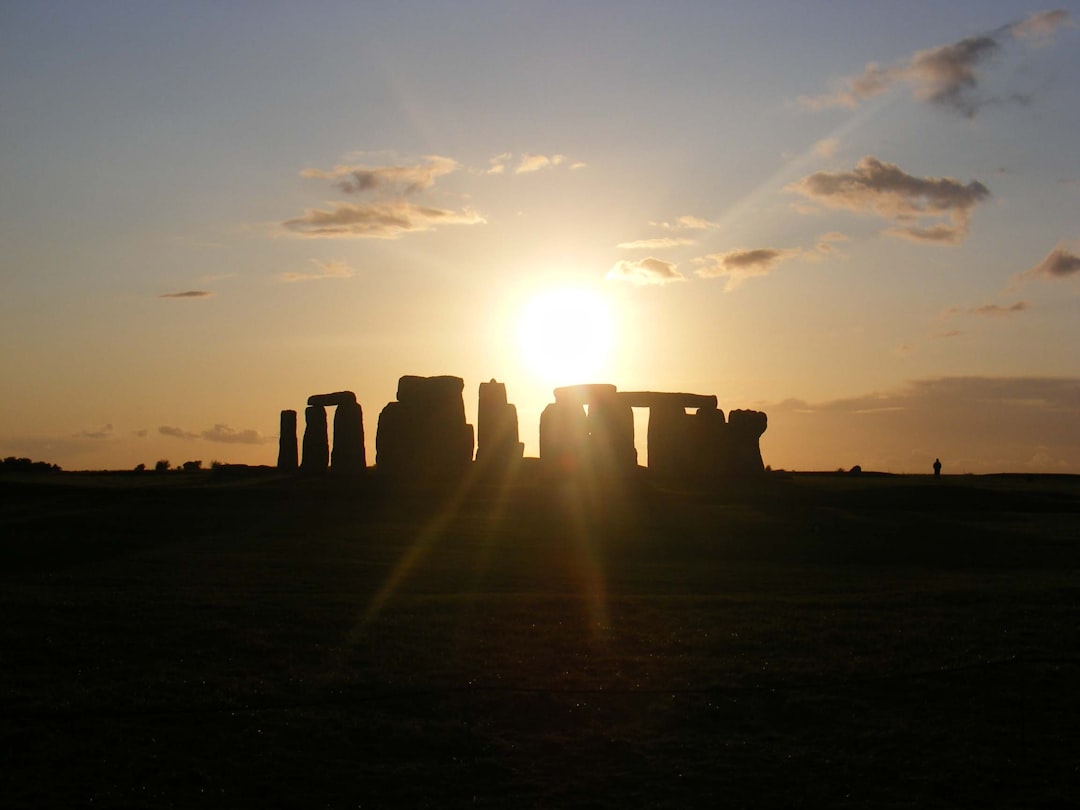
Every architectural detail of Stonehenge is loaded with symbolism. The tallest stones, called sarsen, are positioned to form an inner circle, while the smaller stones, known as bluestones, are arranged in an oval. This combination of shapes and sizes reflects a deep understanding of mathematics and geography by the ancient peoples who created this monument. Every year, the site attracts not only tourists but also scholars and archaeology enthusiasts who seek to decipher the messages left by our ancestors.
Visit and Experience
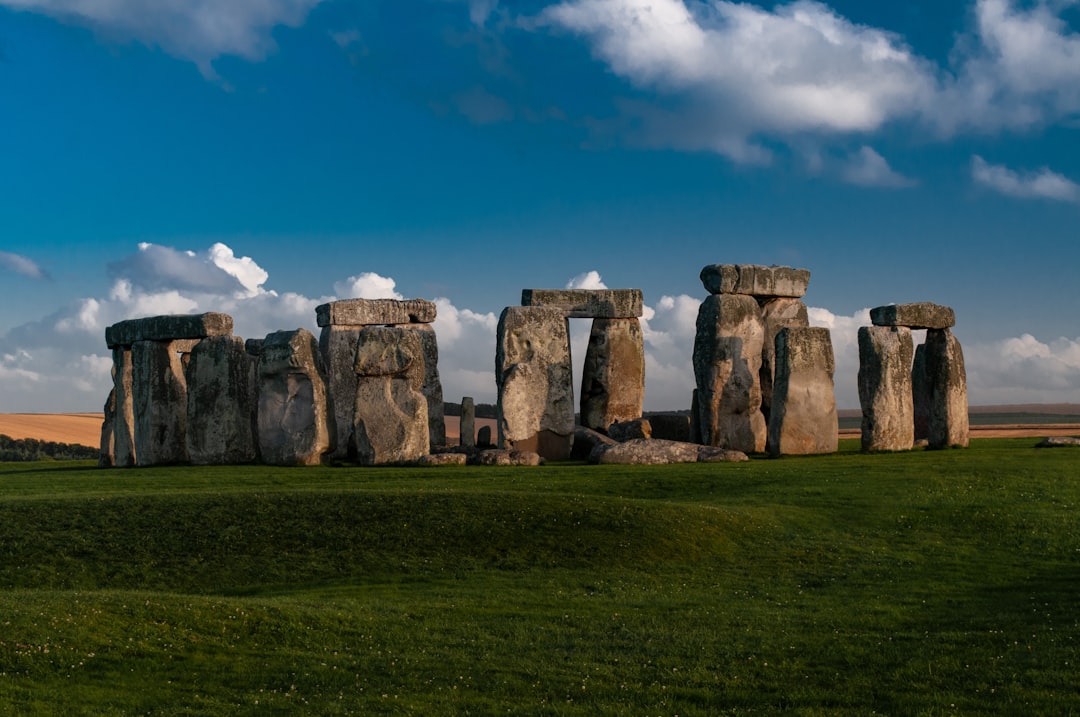
Visiting Stonehenge is an experience that goes far beyond admiring its gigantic stones; it is an opportunity to immerse oneself in an atmosphere of mystery and contemplation. The site is open year-round and offers various activities, including guided tours and interactive workshops that allow for a deeper understanding of the history and mythology related to this monument. Additionally, the visitor center offers educational exhibits that help to contextualize the site within its historical environment.
For those who wish to experience something truly magical, it is recommended to visit Stonehenge during the solstices. On these occasions, the sunlight aligns perfectly with the stones, creating a visual spectacle that enchants and moves. It is a moment when people gather to celebrate the beauty of nature and reflect on the roots of our traditions and beliefs.
Conclusion: A Heritage to Protect
Stonehenge is not just a monument; it is a bridge between the past and the present, a silent witness to the lives and cultures that preceded ours. Its historical and cultural significance is immense, and its preservation is essential so that future generations can continue to explore the mysteries and magic of this unique place.
Every visit to Stonehenge is an invitation to reflect on our connection to history and our place in the universe. As we confront the mysteries of the ancient world, Stonehenge reminds us that, although time may erase many things, the questions about our existence and our place in history remain ever alive.


