



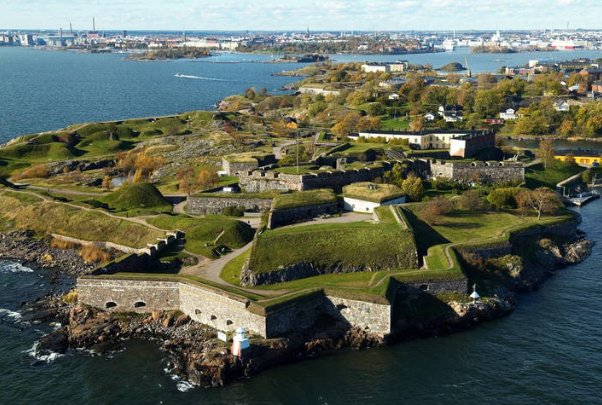
There is a certain magic that envelops Suomenlinna, a sprawling maritime fortress that whispers tales of an era long past, standing proudly amidst the brisk winds of the Baltic Sea. Nestled on a cluster of islands off the coast of Helsinki, Finland, this UNESCO World Heritage site is not just an architectural marvel, but a living testament to centuries of Scandinavian history and culture.
The origins of Suomenlinna date back to 1748, when the Swedish crown, recognizing the strategic importance of the Baltic Sea, commissioned the fortress under the guidance of military architect Augustin Ehrensvärd. Built to defend against Russian expansion, the fortress originally bore the name Sveaborg. Its formidable bastions and islands served as a crucial military base for the Swedish Empire. However, the tides of history shifted in 1808 during the Finnish War when the fortress fell to Russian forces. It remained under Russian control until Finland declared independence in 1917, and the name was changed to Suomenlinna, meaning "Castle of Finland."
Architecturally, Suomenlinna is a unique blend of military might and artistic expression. The fortress's design reflects the bastion fortification style that was revolutionary in its time, intended to withstand cannon fire and offer strategic defense. Intriguingly, the site is not just a relic of military history but also a canvas of art and culture. The Ehrensvärd Museum, housed in the original commander’s home, showcases a collection of 18th-century artifacts and paintings that chronicle the life and times of its founder.
Beyond its stone walls, Suomenlinna thrives as a vibrant cultural hub. The Suomenlinna Summer Theatre draws locals and visitors alike, offering performances that range from classic Finnish plays to modern interpretations. The annual Viapori Jazz Festival is a highlight, transforming the fortress into a stage for soulful melodies against the backdrop of the sea. These events not only entertain but also celebrate the cultural resilience of the Finnish people.
No visit to Suomenlinna is complete without indulging in its local gastronomy. The fortress is home to several charming eateries that serve up quintessential Finnish fare. At Restaurant Walhalla, traditional dishes such as lohikeitto (creamy salmon soup) and karjalanpiirakka (rice pastries) are crafted with a touch of modern flair. Pair these with locally brewed beer from the Suomenlinna Brewery, and you have a feast that captures the essence of Finnish culinary traditions.
For those eager to delve deeper into the secrets of Suomenlinna, there are countless lesser-known curiosities to discover. Among them is the mysterious Piper’s Park, a serene garden named after Carl Olof Cronstedt Piper, which offers panoramic views that are often overlooked by hurried tourists. Another hidden gem is the Suomenlinna Church, which intriguingly doubles as a lighthouse, continuing a dual function since its construction in 1854.
Practical considerations are essential for planning a memorable visit. The best time to explore Suomenlinna is during the late spring and summer months, from May to September, when the weather is mild and the days are long. Access is via a short ferry ride from Helsinki's Market Square, offering scenic views of the archipelago. Once on the islands, take time to wander the cobblestone paths, explore the hidden tunnels, and breathe in the salty sea air. Be sure to wear comfortable shoes and bring layers, as the Baltic winds can surprise even on sunny days.
In essence, Suomenlinna is far more than a mere fortress; it is a vibrant tapestry of history, culture, and nature. Each corner of the island holds a story, each stone a memory, inviting travelers to step back in time while savoring the richness of Finland’s heritage.
