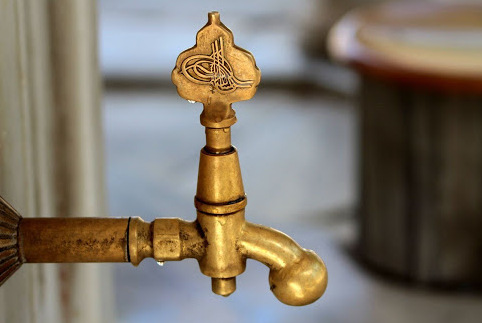

Nestled in the picturesque San Maurizio d’Opaglio, a quaint town in the province of Novara in northern Italy, lies the intriguing Tap Museum. This unique establishment invites visitors to explore the often-overlooked relationship between humanity and water, delving into the history of hygiene and the technological advancements that have shaped our understanding and use of this vital resource.
### History and Origins
The Tap Museum was established in 2006, born from the creative vision of its founders, who sought to highlight the historical significance of water and its purification. Situated in a region historically rich in water resources, San Maurizio d’Opaglio has long been associated with the Lake Orta area, known for its clean waters and beautiful landscapes. The museum stands as a testament to the evolution of water management, showcasing artifacts that span centuries, from ancient Roman aqueducts to modern plumbing innovations.
Historically, the region has been significant for its water supply, with evidence of early settlements that utilized the lake for fishing, irrigation, and drinking water. The museum thoughtfully curates these connections, emphasizing how the tap has transformed daily life, sanitation, and public health. It serves as a reminder of the importance of water conservation and management in contemporary society.
### Art and Architecture
The architecture of the Tap Museum reflects a blend of contemporary design with functional elements that echo its theme. The building itself is an example of sustainable architecture, incorporating modern materials while remaining sympathetic to the surrounding landscape. Inside, visitors are greeted by an array of exhibits that feature not only taps but also significant pieces of art that explore water in various cultural contexts.
Noteworthy exhibits include historical taps from different eras and regions, showcasing the evolution of design and technology. Engaging installations and multimedia displays enhance the experience, making it both informative and visually appealing. The artistic significance of the museum lies not only in its artifacts but also in the stories they tell about water's impact on culture, health, and daily life.
### Local Culture and Traditions
San Maurizio d’Opaglio is a town steeped in tradition, where local customs reflect a deep appreciation for the natural environment. The annual Festa di San Maurizio, held in September, celebrates the patron saint of the town and is characterized by lively processions, traditional music, and regional delicacies. This festival highlights the community spirit and cultural heritage of the area, drawing visitors and locals alike to partake in the festivities.
The town's connection to water is celebrated not just in the Tap Museum but also through local traditions. Residents often engage in activities centered around Lake Orta, from fishing to boating, emphasizing the importance of water in their daily lives. The museum provides a broader context for these customs, situating them within the larger narrative of water usage and conservation.
### Gastronomy
The gastronomic offerings in and around San Maurizio d’Opaglio are as refreshing as the waters that surround it. Local specialties include risotto al pesce persico, a delightful dish made with perch caught fresh from Lake Orta, and polenta, a staple that pairs beautifully with a variety of sauces and meats. Additionally, the region is known for its excellent wines, particularly Ghemme and Gattinara, which complement the local cuisine perfectly.
Visitors to the Tap Museum can indulge in a culinary adventure by sampling these traditional dishes at nearby trattorias and restaurants, where the focus is on fresh, locally-sourced ingredients. The connection between the museum and local gastronomy reinforces the idea that water is not just a resource but a vital component of the region's identity.
### Lesser-Known Curiosities
While the Tap Museum may initially seem like a niche attraction, it holds a wealth of surprising stories and lesser-known facts. For instance, the museum features a collection of taps used in notable historical events, including those from public baths in ancient Rome, which were vital for hygiene in a time when cleanliness was often overlooked.
Additionally, many visitors are unaware that the museum offers workshops and educational programs that delve deeper into the science of water purification. These programs engage the community and highlight the importance of sustainable practices, making it a hub for learning and advocacy.
### Practical Visitor Information
The best time to visit the Tap Museum is during the warmer months, from late spring to early autumn when the weather is pleasant for exploring both the museum and the surrounding area. It’s advisable to check the museum’s official website for any special events, temporary exhibitions, or guided tours that may enhance your experience.
When visiting, be sure to take your time with the exhibits, as each tells a unique story about our relationship with water. Don’t miss the opportunity to engage with the interactive displays, which make the learning experience both fun and informative.
In conclusion, the Tap Museum in San Maurizio d’Opaglio offers a fascinating glimpse into the history and significance of water in our lives. The blend of culture, tradition, and innovation makes this a destination worth exploring. For a personalized journey through this enchanting region, consider using the Secret World app to plan your itinerary.
