
Have you ever wandered through a city where the sacred and the secular coexist so harmoniously? In Tbilisi, the capital of Georgia, this is not just a dream but a vibrant reality. Nestled at the crossroads of East and West, Tbilisi’s rich historical tapestry weaves together influences from Persia, Russia, and Europe, making it a unique destination worth exploring.
### History and Origins Founded in the 5th century AD, Tbilisi has always been a significant hub for trade and culture. Legend has it that King Vakhtang I Gorgasali discovered the city's hot springs while hunting, leading to the establishment of Tbilisi as a principal city. The name itself derives from the Old Georgian word “tbili,” meaning warm, a nod to the therapeutic thermal springs that draw locals and visitors alike.
Over centuries, Tbilisi has been shaped by various empires, including the Persians, Ottomans, and Russians. The 19th century saw a cultural renaissance that transformed Tbilisi into a cosmopolitan center, welcoming diverse ethnicities and religions. The tumultuous events of the 20th century, including Soviet rule, have further enriched its complex history, making Tbilisi a living museum of resilience and diversity.
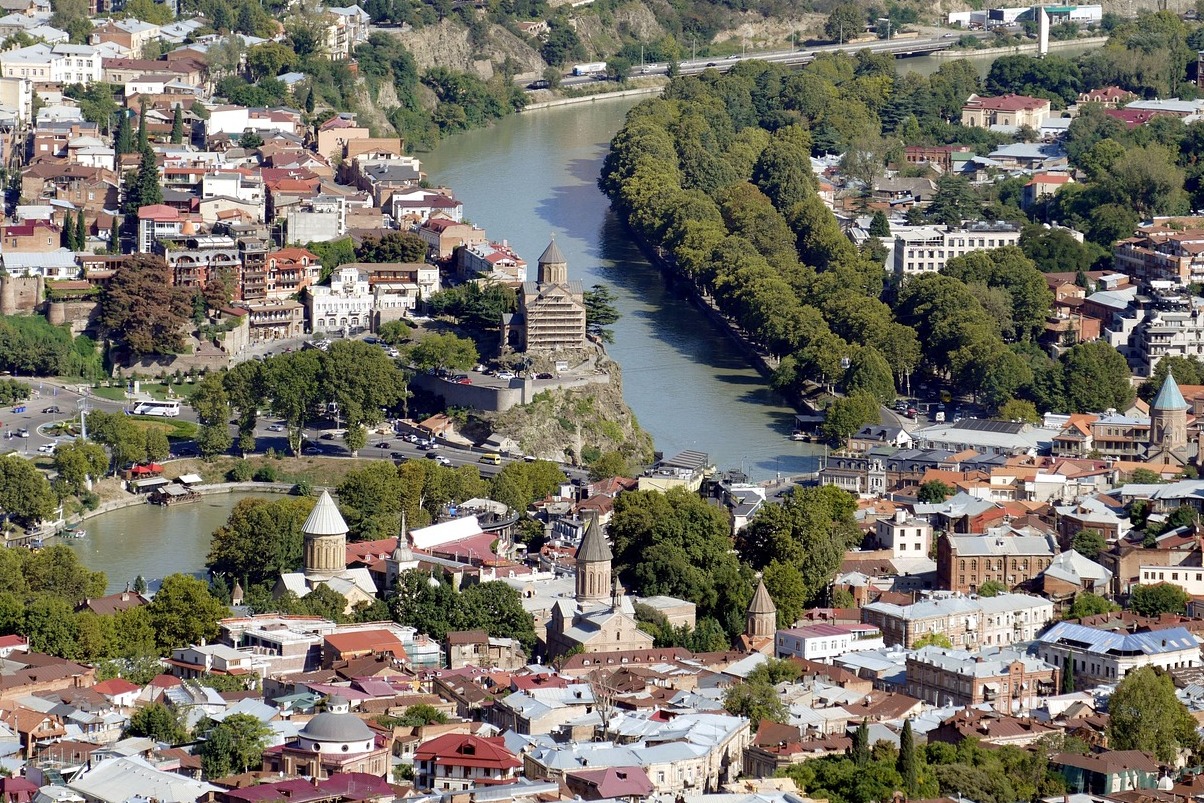
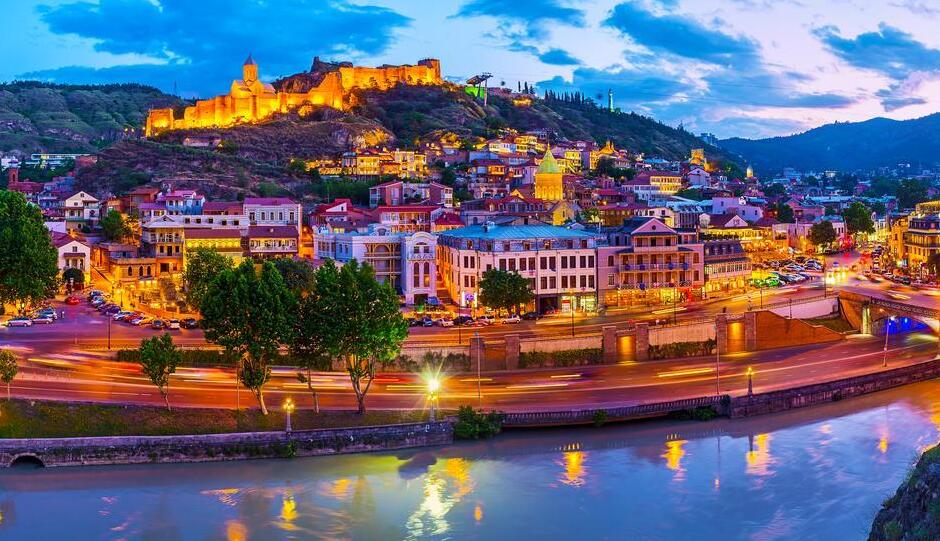
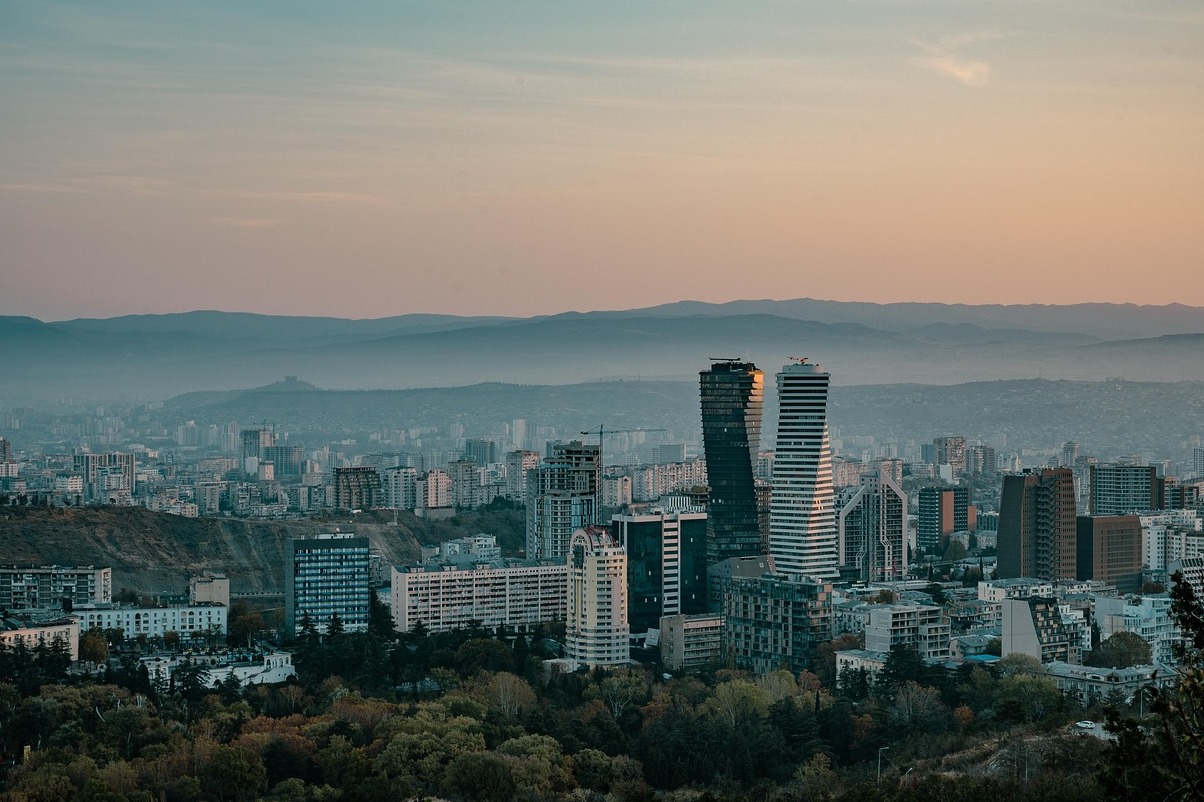
### Art and Architecture The architectural landscape of Tbilisi is an eclectic mix that reflects its rich history. The Old Town is a kaleidoscope of styles, featuring Medieval churches, Art Nouveau buildings, and Soviet-era structures. Notable landmarks include the Narikala Fortress, a symbol of Tbilisi’s enduring spirit, and the Sioni Cathedral, which dates back to the 6th century and is renowned for its stunning frescoes.
Art flourishes in Tbilisi, from traditional Georgian paintings that depict the country’s folklore to contemporary installations found in local galleries. The Museum of Modern Art showcases both Georgian and international artists, contributing to the city’s vibrant cultural scene.
### Local Culture and Traditions Tbilisi's cultural richness is celebrated through various festivals. The Tbilisi Open Air festival, held annually, features music, arts, and performances, attracting artists from around the globe. New Year’s celebrations are particularly vibrant, with locals embracing their unique traditions, such as the Alilo procession, where children and families sing and celebrate the holiday season.
You’ll also find numerous bazaars where local customs come alive, from the lively Dezerter Bazaar to the tranquil dry bridge market, which showcases artists and craftsmen selling handmade wares. These markets offer a glimpse into the daily lives of Tbilisi's residents and their enduring traditions.
### Gastronomy No visit to Tbilisi would be complete without indulging in its gastronomy, a delightful reflection of the region’s diverse cultures. Traditional dishes include khinkali, juicy dumplings filled with spiced meat, and khachapuri, a cheese-filled bread that is often hailed as the national dish. Pair these with a glass of Saperavi, a robust red wine that embodies the essence of Georgian viticulture.
Street food is also a must-try in Tbilisi. Vendors serve up lobio, a hearty bean stew, and puri, freshly baked bread still steaming from the oven. Don’t miss the opportunity to savor the sweet treat of churchkhela, a traditional candy made from nuts and grape juice, often sold by local artisans.
### Lesser-Known Curiosities While the major attractions are captivating, Tbilisi also holds many hidden gems. One such curiosity is the Tbilisi Funicular, which not only offers stunning views of the city but also leads to the charming Mtatsminda Park, a family-friendly amusement area.
Another unique aspect is the city’s famous Sulfur Baths in the Abanotubani district, which have been used for centuries. Legend has it that the baths were discovered by King Vakhtang I, and they remain a popular spot for relaxation and rejuvenation.
### Practical Visitor Information The best time to visit Tbilisi is in spring (April to June) or autumn (September to November), when the weather is pleasantly mild. Summer can be quite hot, and winter, while beautiful, may bring snow.
When exploring, wear comfortable shoes to navigate the cobbled streets and don’t hesitate to venture into the local neighborhoods to experience authentic Georgian hospitality. Using public transport is straightforward, with the metro being an affordable option to traverse the city.
In Tbilisi, the blend of cultures and rich history is palpable at every corner, inviting visitors to linger just a little longer. As you plan your journey to this enchanting city, consider using the Secret World app for a personalized itinerary that uncovers the hidden treasures of Tbilisi.