
The Holy Trinity Cathedral of Tbilisi, commonly known as Sameba, stands as an emblematic monument in the heart of Tbilisi, Georgia. This breathtaking structure, completed in 2004, is not only the main cathedral of the Georgian Orthodox Church but also ranks as the third-tallest Eastern Orthodox cathedral in the world. With its towering height and stunning design, Sameba represents a blend of modern and traditional Georgian architecture, making it a pivotal site for both the faithful and curious travelers.
### History and Origins The roots of Sameba can be traced back to the early years of the Georgian Orthodox Church, which dates back to the 4th century. However, the modern cathedral was commissioned in 1995 by the then Patriarch of the Georgian Orthodox Church, Ilia II, as a symbol of national unity and revival following the turbulent years of the 1990s. The cathedral was built to commemorate the 2000th anniversary of Christianity and to reaffirm the importance of faith in Georgian identity. Its construction was a significant event, funded by donations from the public and various benefactors, symbolizing a collective effort to restore spiritual pride in a country rich with history.
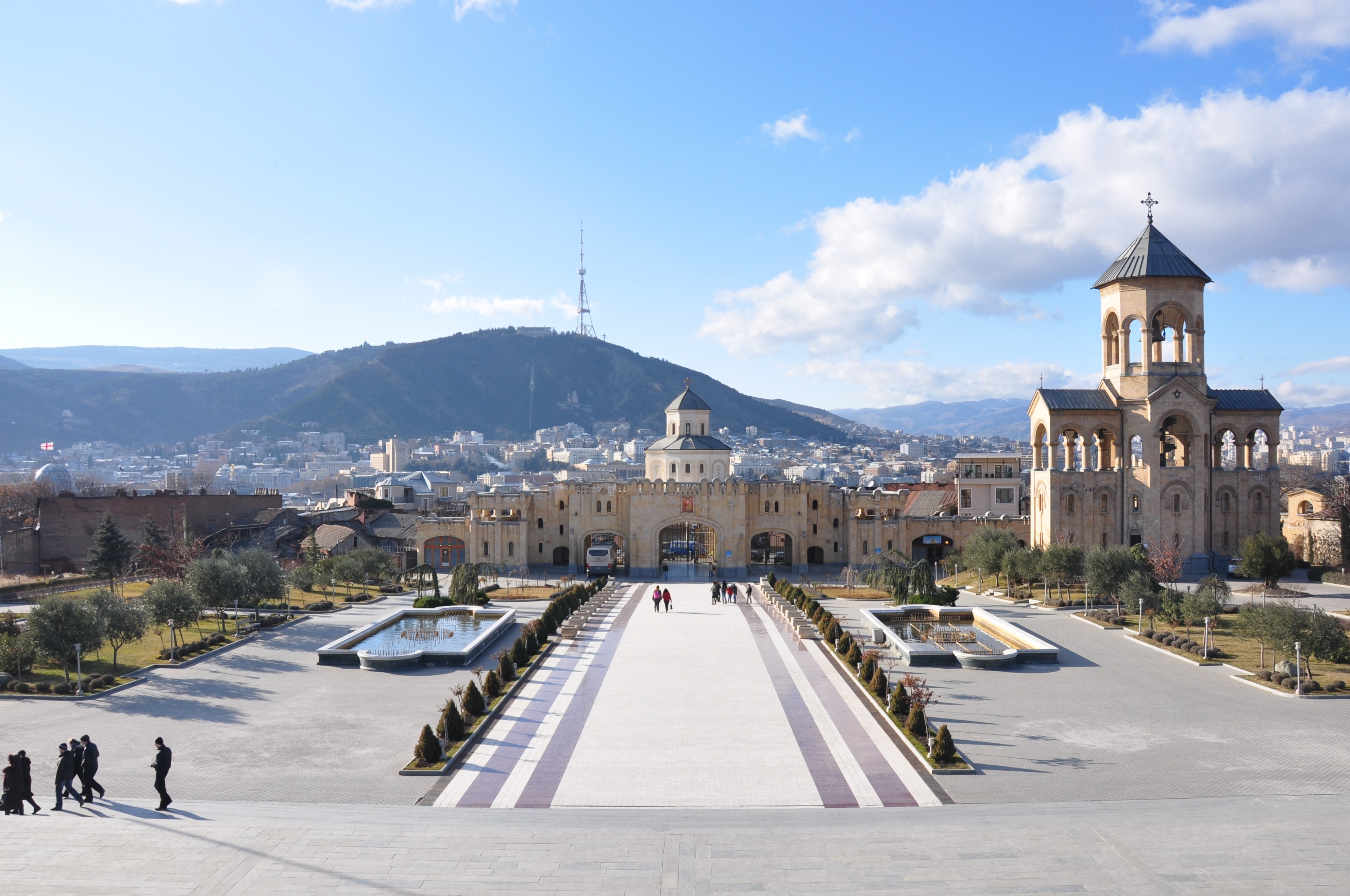
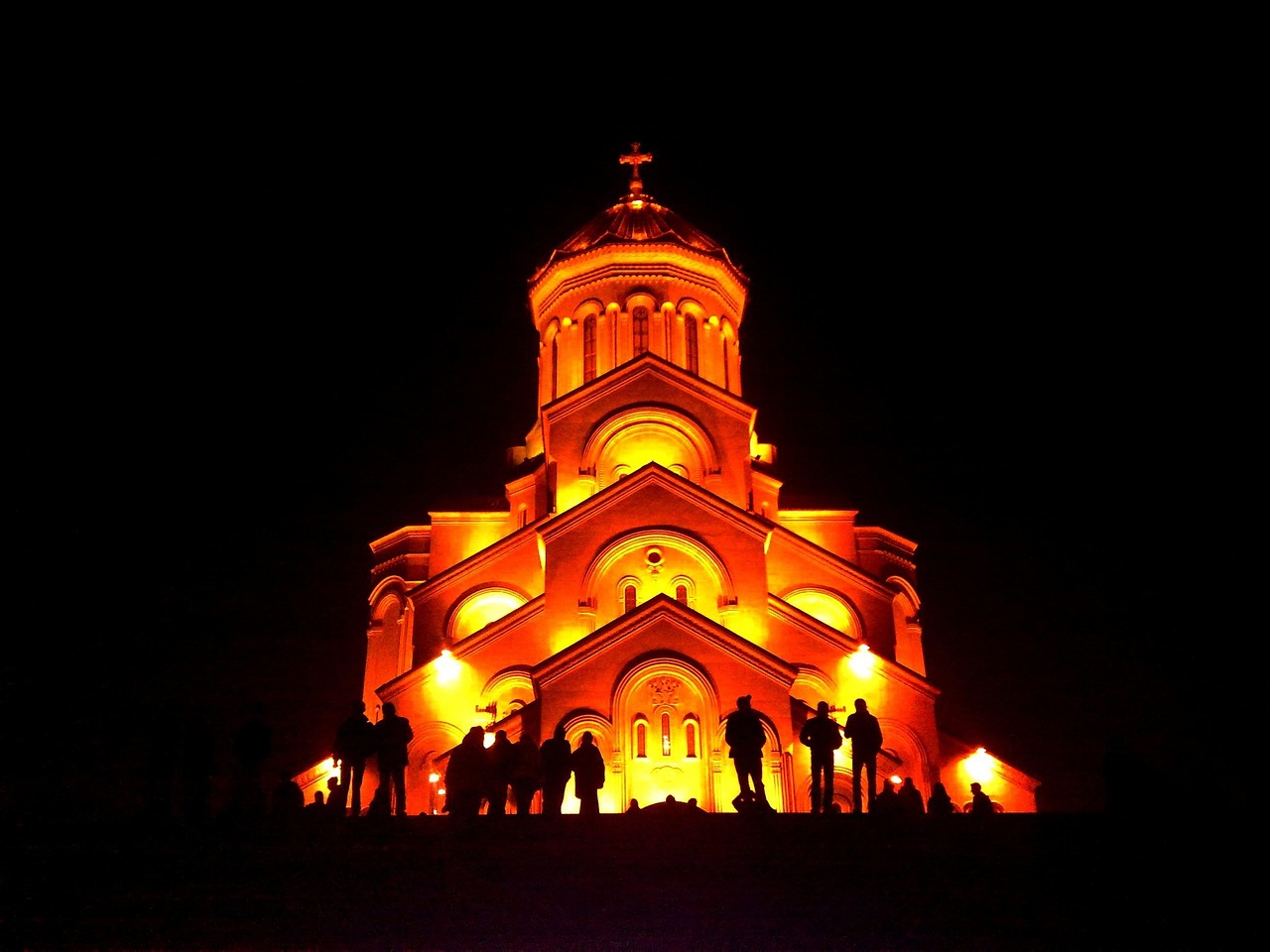
### Art and Architecture Sameba is a stunning example of post-Soviet architecture that blends ancient Byzantine and modern styles. Its impressive height of 105 meters (345 feet) is complemented by a vast floor area of about 5,000 square meters, making it one of the largest religious buildings globally. The cathedral's exterior is adorned with intricate stone carvings and golden domes that glisten in the sunlight, while its interior is equally captivating, featuring beautiful frescoes, mosaics, and a stunning altar. The iconostasis, a wall of icons and religious paintings, is a highlight, showcasing the artistic talent of Georgian artisans.
The use of local materials, particularly the golden domes made from a special alloy, reflects a deep connection to Georgian traditions. At the same time, the cathedral's design incorporates elements from ancient churches in Mtskheta, Georgia's ancient capital, further emphasizing its cultural significance.
### Local Culture and Traditions The Holy Trinity Cathedral is not just a place of worship; it is a cultural hub for the people of Tbilisi. Regular services, special liturgies, and festivals draw in locals and visitors alike. One of the most significant events is the Feast of the Holy Trinity, celebrated in early June, which attracts thousands of devotees to the cathedral. During this time, the atmosphere is filled with joyous hymns, prayers, and traditional chants that resonate throughout the city.
Moreover, the cathedral serves as a venue for various cultural activities, including concerts and art exhibitions, allowing visitors to experience the vibrant arts scene in Tbilisi. The presence of numerous local artisans selling handcrafted goods outside the cathedral adds to the lively atmosphere, providing a glimpse into the rich traditions of Georgian craftsmanship.
### Gastronomy No visit to Tbilisi is complete without indulging in its tantalizing cuisine. The area surrounding Sameba boasts a variety of eateries where visitors can savor traditional dishes. Local favorites include khinkali (dumplings filled with meat or vegetables), khachapuri (cheese-filled bread), and pkhali (vegetable pâté). Pair these dishes with a glass of Saperavi, a robust red wine native to Georgia, or enjoy a refreshing glass of Chacha, a potent grape brandy that locals swear by.
### Lesser-Known Curiosities While many flock to Sameba for its grandeur, few know the intriguing stories woven into its fabric. For instance, the cathedral houses a unique relic that is said to be a piece of the True Cross. Additionally, the serene garden surrounding the cathedral is home to several sculptures and memorials, including a poignant tribute to the Georgian soldiers who fought in various conflicts.
Another fascinating detail is the cathedral's underground chapel, which is often overlooked by visitors. This tranquil space is adorned with stunning artwork and provides a moment of reflection away from the bustling crowds above.
### Practical Visitor Information The Holy Trinity Cathedral of Tbilisi is open to visitors year-round, but the best time to visit is during the spring (April to June) or autumn (September to October) when the weather is mild and pleasant. Dress modestly, as it is a place of worship, and be prepared to follow local customs during your visit. Look out for the breathtaking views of the city from the cathedral’s premises, especially at sunset when the city lights begin to twinkle.
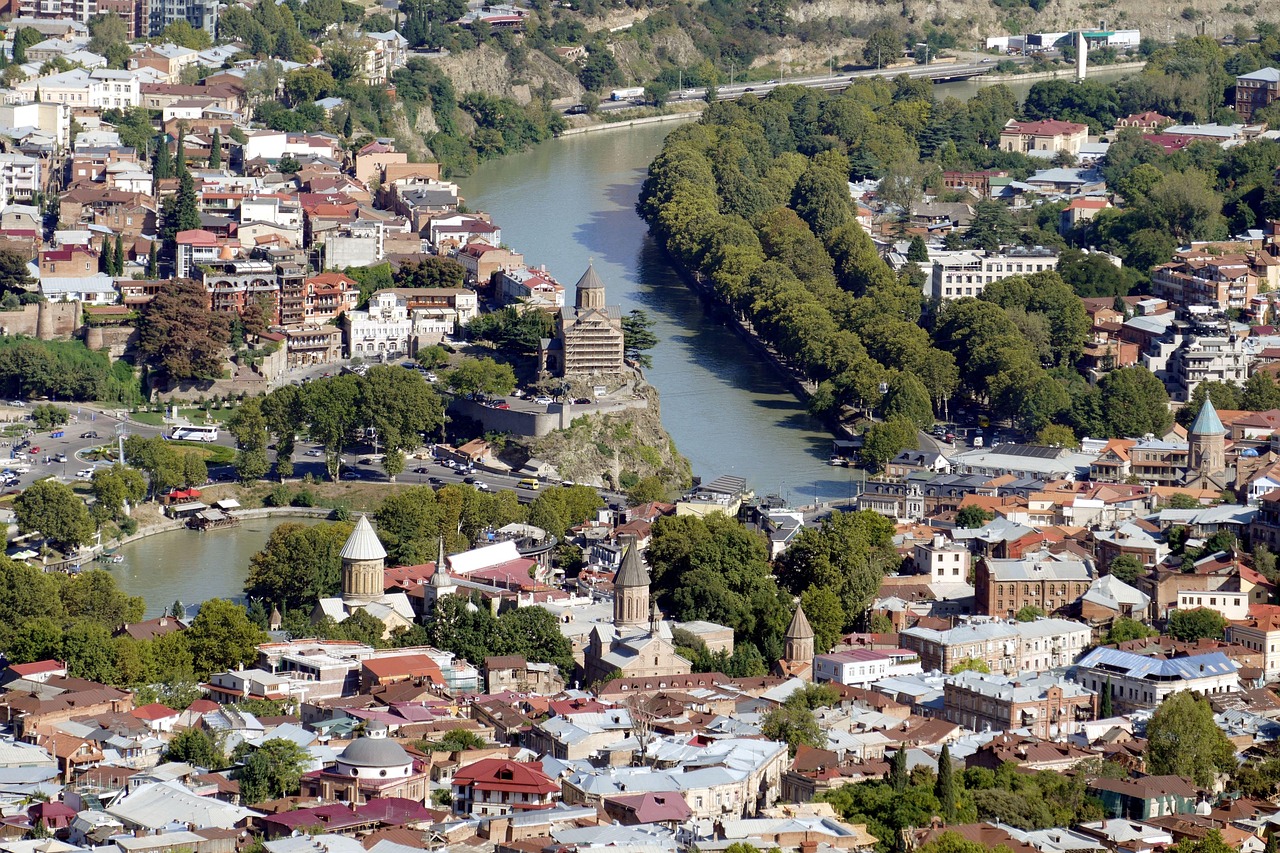
As you stroll through the grounds, take time to appreciate the intricate details of the architecture and the serene ambiance that surrounds you. Don’t forget to capture the stunning views of Mtatsminda and the Kura River from the cathedral’s terrace.
In conclusion, the Holy Trinity Cathedral of Tbilisi stands as a testament to Georgia's rich cultural heritage and religious significance. Its majestic presence in Tbilisi is not just a sight to behold but an experience that encapsulates the spirit of the Georgian people. For a personalized itinerary that includes this architectural gem and more, consider using the Secret World app to explore Tbilisi at your own pace.