



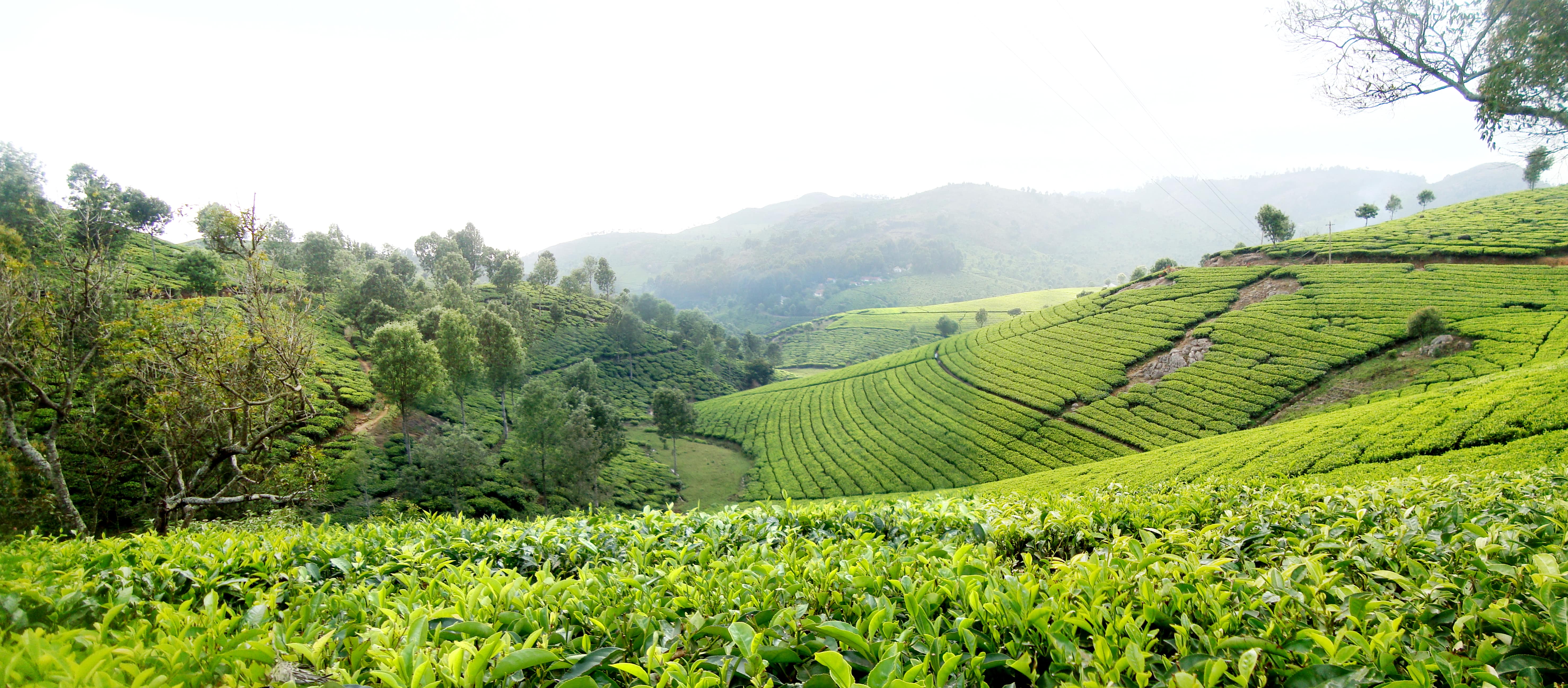
Nestled amidst the rolling hills of the Nilgiri range, the Tea Estate of Coonoor presents a mesmerizing tableau of emerald green vistas and the intoxicating aroma of freshly plucked tea leaves. Located at an elevation of 1,850 meters, this serene hill station, second only to Ooty in the Nilgiris, invites travelers to explore its rich tapestry of cultural and natural splendor.

The history of Nilgiri tea production in Coonoor dates back to the mid-19th century when British planters recognized the region's potential for tea cultivation. The temperate climate, abundant rainfall, and fertile soil provided an ideal setting for tea gardens. By the late 19th century, the Nilgiri district had become a prominent tea-growing area, attracting both local and international attention. Today, Nilgiri tea is celebrated for its fragrant aroma and brisk flavor, distinguishing itself from its more robust counterparts from Assam and Darjeeling.
The art and architecture of Coonoor reflect a blend of colonial and indigenous influences, visible in its charming bungalows and heritage buildings. The Sim's Park, a beautifully landscaped garden established in 1874, showcases a variety of exotic and native plant species. The architecture here, with its quaint, colonial-style cottages and carefully maintained gardens, speaks volumes of a bygone era while offering a picturesque backdrop for visitors.

Cultural life in Coonoor is a vibrant tapestry woven with local customs and traditions. The annual Tea and Tourism Festival, typically held in January, is a significant event that celebrates the region's tea heritage. This festival offers a platform for cultural expression, featuring traditional music, dance performances, and tea-tasting sessions. Another vital aspect of local culture is the celebration of the Badaga community's harvest festival, Hethe Habba, which brings together the indigenous people of the Nilgiris to honor their deities and express gratitude for the harvest.
When it comes to gastronomy, Coonoor offers a delightful spread of local flavors. While the varkey, a crisp, buttery pastry, is a popular snack, the region's cuisine also includes a variety of spicy curries and rice dishes influenced by the Tamil and Karnataka culinary traditions. Tea, naturally, is at the heart of the local food culture, with Nilgiri tea featuring prominently in every meal, sometimes even infused into desserts and savory dishes.
Beyond the tea gardens and tourist hotspots, Coonoor harbors a few lesser-known curiosities that intrigue the discerning traveler. The Droog Fort, a historic site used by Tipu Sultan, though now mostly in ruins, offers panoramic views of the surrounding landscape. Another hidden gem is the Katary Falls, one of the highest waterfalls in the Nilgiris, providing a tranquil escape for nature lovers. Additionally, the local Toda tribe, known for their distinctively embroidered shawls and unique cylindrical huts, offers a glimpse into the region’s ancient tribal heritage.
For those planning a visit, the best time to explore Coonoor is from October to March when the weather is cool and pleasant. This period also coincides with the tea plucking season, allowing visitors to witness the tea-making process firsthand. Travelers should consider taking a ride on the Nilgiri Mountain Railway, a UNESCO World Heritage site, offering a scenic journey through verdant hills and tea estates.
While exploring, visitors are encouraged to engage with local tea farmers and artisans to gain deeper insights into the region's tea production and culture. Tasting sessions at a local tea factory can offer an enriching experience, allowing you to discern the subtle nuances of varying tea leaves and blends.
In conclusion, the Tea Estate of Coonoor offers more than just breathtaking landscapes; it's a cultural and historical journey through time, filled with stories of resilience, tradition, and the enduring allure of tea. Whether you're a history buff, a nature enthusiast, or a tea connoisseur, Coonoor promises an unforgettable experience that resonates long after the journey ends.
