
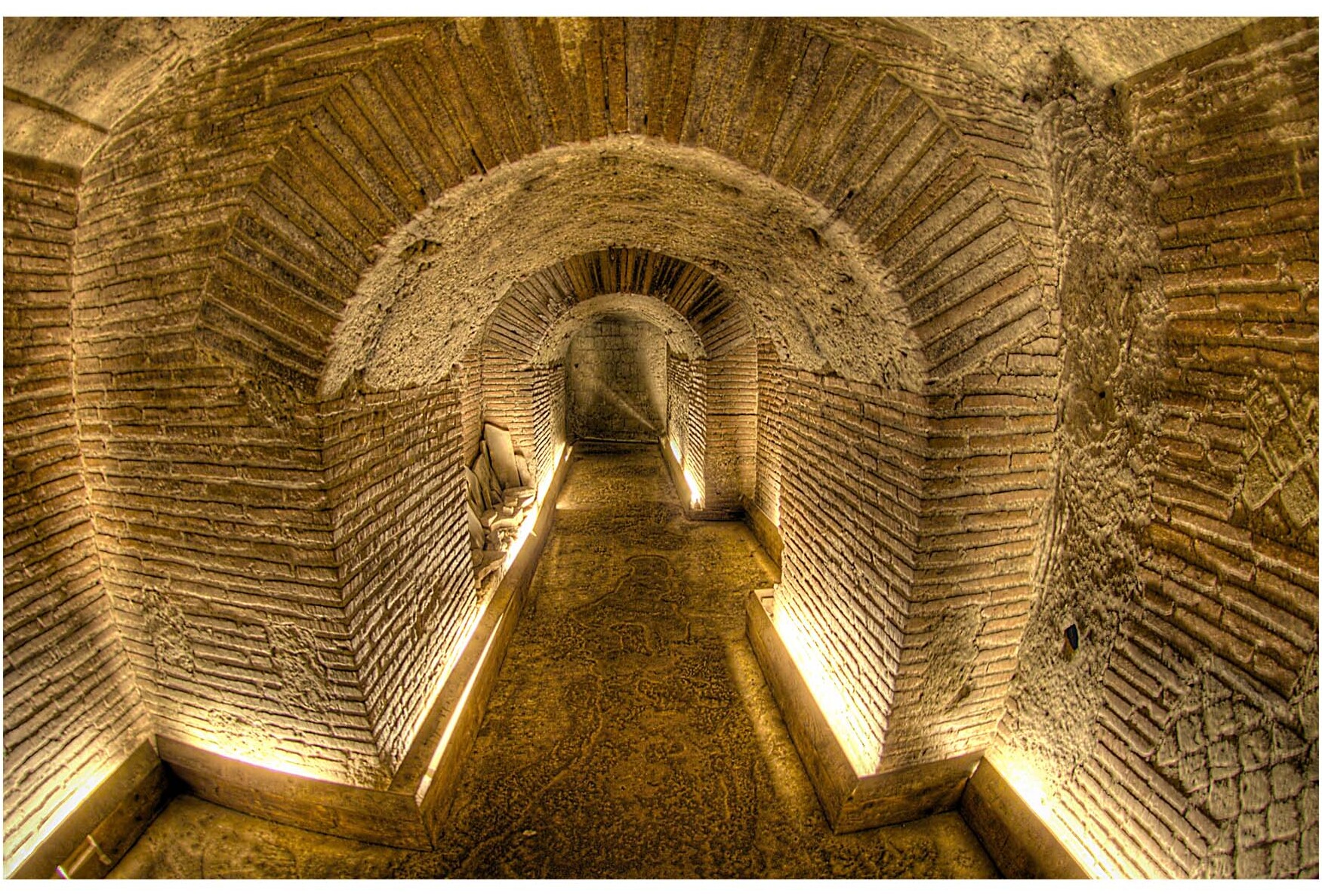

Beneath the vibrant streets of Naples, a treasure from antiquity waits in quiet obscurity: the Teatro Greco-Romano. As you descend into its depths, you are transported back to a time when this ancient amphitheater echoed with the powerful performances of one of history's most infamous figures, Emperor Nero. This remarkable site, often overlooked, reveals the layered history of a city that has long been a crossroads of cultures.
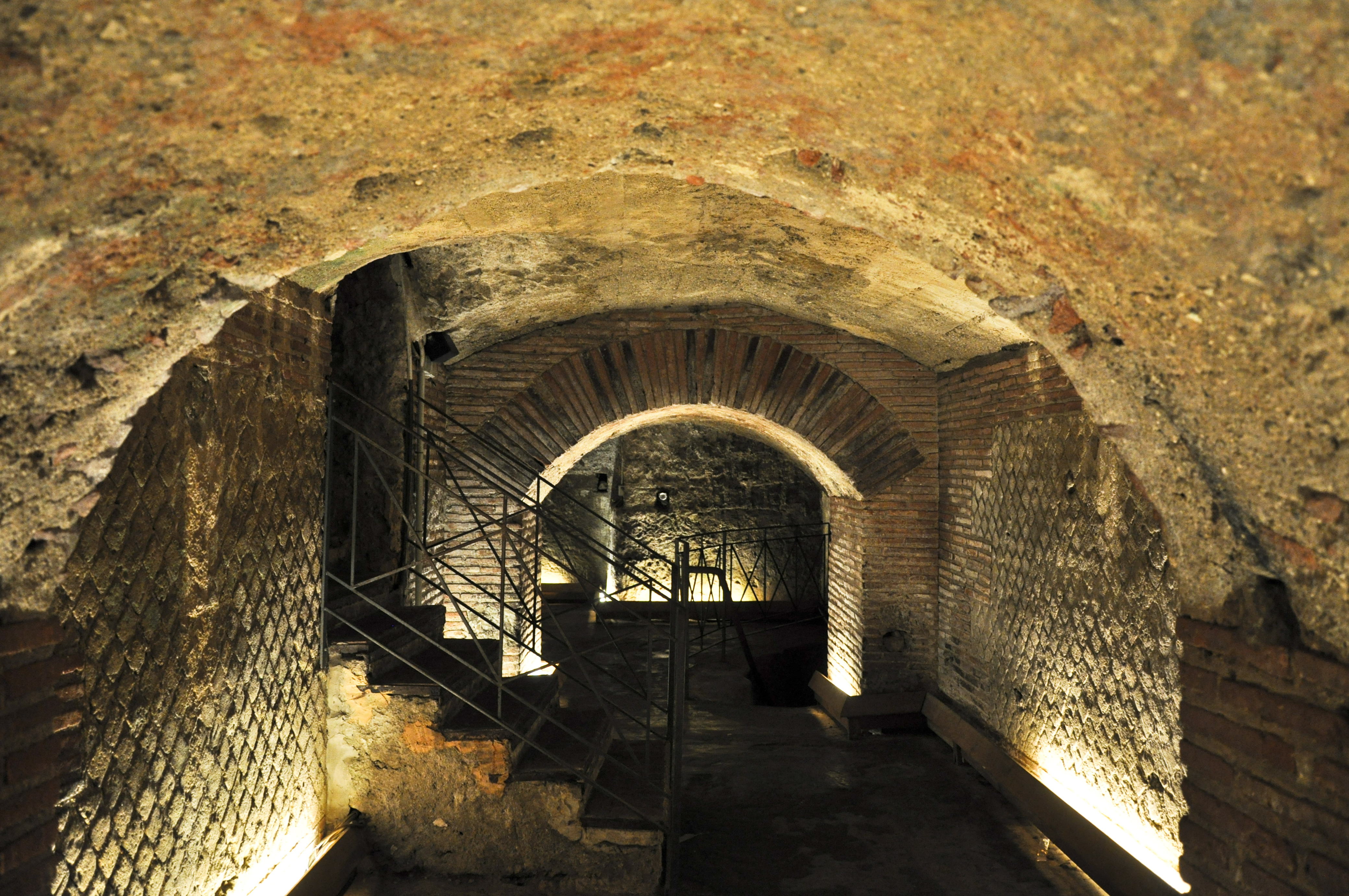
The origins of the Teatro Greco-Romano can be traced back to the 1st century AD, during a period of significant Roman influence. Built atop the ruins of a Greek theater, it reflects the city's deep-rooted connection to its Hellenistic past. The theater was part of a larger complex that included various public buildings and temples. Its strategic location near the bustling Cardo, a main street of the ancient city, made it an essential venue for theatrical performances and public gatherings.
Historically, the theater is noted for hosting performances by Nero, who famously favored Naples over Rome for his artistic endeavors. Unlike his infamous reputation as a tyrant, in Naples, he was celebrated as a performer. Reports from historians suggest that he found inspiration in the city’s rich Greek heritage, reveling in the warm reception he received from local audiences. This unique relationship between the emperor and the city highlights Naples' importance as a cultural hub in the ancient world.
Architecturally, the Teatro Greco-Romano is a captivating blend of Greek and Roman styles. The semicircular seating arrangement, crafted from local tuff stone, reflects the influence of Greek design, while the stage and decorative elements showcase Roman engineering prowess. The theater could accommodate an impressive audience, with estimates suggesting it held around 2,500 spectators. The remnants of ancient frescoes and inscriptions found within the site hint at the vibrant performances that once filled the air, giving visitors a glimpse into the past artistry that thrived here.
Local culture in Naples has always been vibrant and steeped in tradition. The influence of ancient performances continues to resonate today, particularly during local festivals such as San Gennaro, celebrated every September. This festival not only honors the city’s patron saint but also serves as a reminder of Naples' rich theatrical heritage. The streets come alive with processions, music, and the passionate performances that hark back to the days of the theater.
The culinary scene in Naples adds another layer to the cultural tapestry of the city. Known as the birthplace of pizza, the local gastronomy is both diverse and delicious. Visitors to the Teatro Greco-Romano can indulge in traditional dishes such as Spaghetti alle Vongole (spaghetti with clams) and the iconic Pizza Napoletana, characterized by its soft, chewy crust and fresh ingredients. Pair your meal with a glass of Limoncello, a fragrant lemon liqueur that embodies the spirit of the region.
Despite its historical significance, many tourists overlook the Teatro Greco-Romano. One surprising fact is that the theater was rediscovered in the early 20th century during construction work for the Naples Metro. Excavations revealed not only the theater but also various artifacts that speak to the daily life of ancient Neapolitans. Today, the site remains partially underground and is often missed by those who flock to more famous landmarks like the Duomo di Napoli or Castel Nuovo.
For those interested in visiting, the best time to explore the Teatro Greco-Romano is during the shoulder seasons of spring (April to June) and autumn (September to October). The weather is mild, and the crowds are thinner, allowing for a more intimate experience. Be sure to wear comfortable shoes, as navigating the uneven terrain can be challenging. Look for the remnants of ancient frescoes and the stunning view of the theater's architecture, which often inspires awe in first-time visitors.
As you explore the depths of this historic site, take a moment to imagine the performances that captivated audiences centuries ago. The Teatro Greco-Romano is more than just an archaeological site; it is a testament to the enduring power of performance and the rich heritage of Naples. For a tailored itinerary that will help you uncover more of Naples' hidden gems, consider using the Secret World app to plan your visit.


