
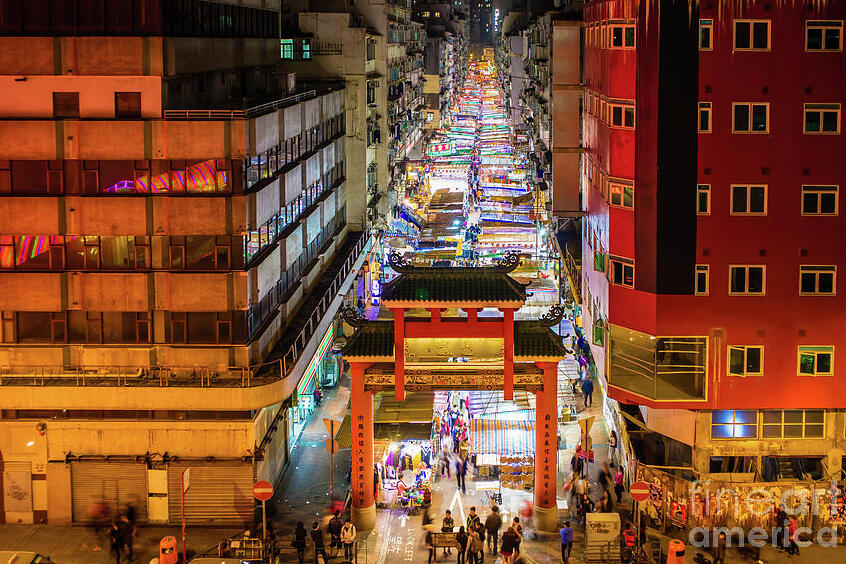

The bustling heart of Kowloon, Temple Street, is a vibrant tapestry woven with threads of history, culture, and lively commerce. Named after the Tin Hau Temple, which stands as a serene sentinel amidst the chaos, this iconic night market offers more than just a shopping experience; it is a journey through time and tradition.
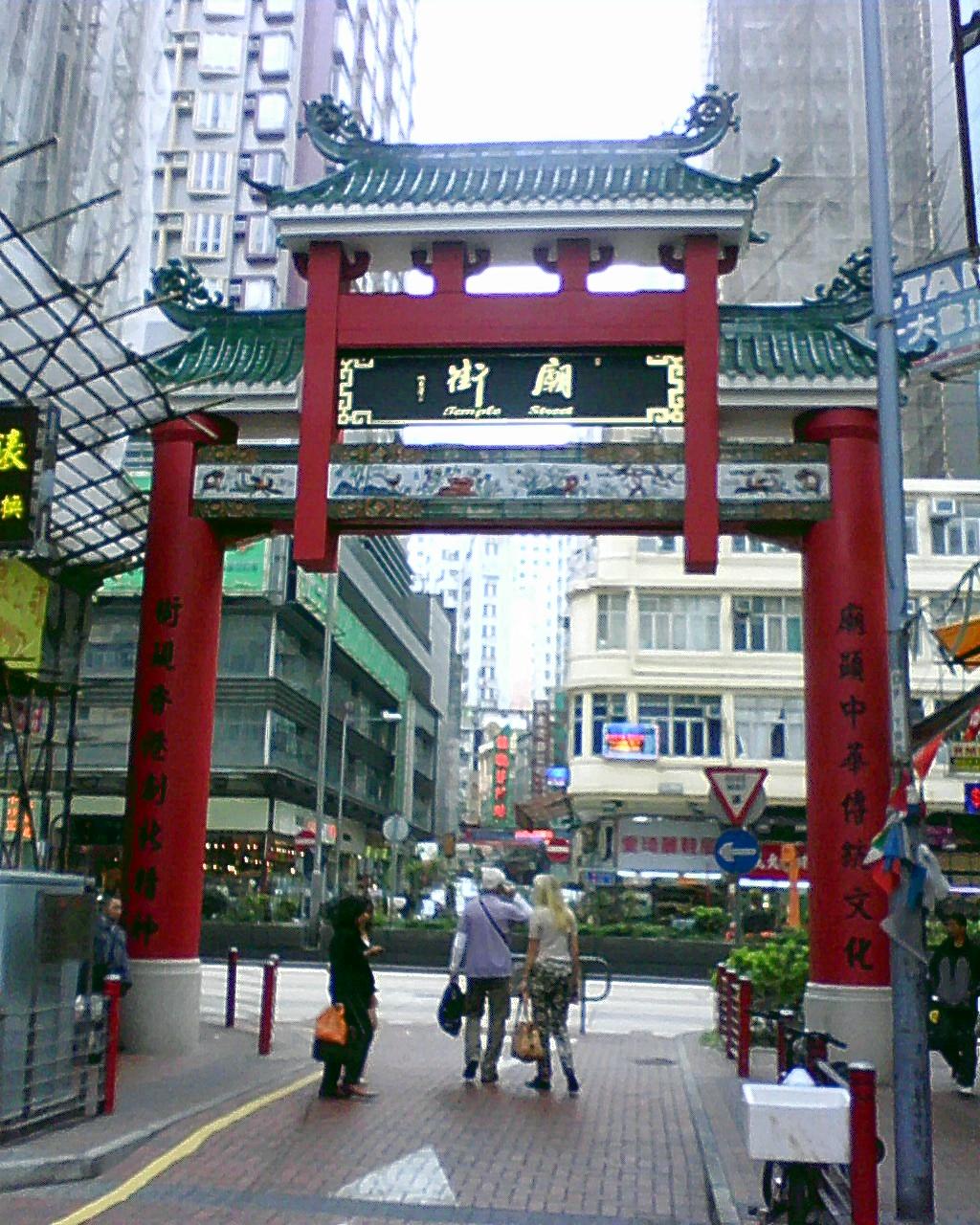
The history of Temple Street dates back to the late 19th century. The Tin Hau Temple, dedicated to the goddess of the sea, was established by local fishermen and sailors who sought her protection. This temple is one of the oldest in Hong Kong, and its presence underscores the maritime heritage of the city. Over the decades, as Hong Kong transformed into a global metropolis, Temple Street evolved from a simple marketplace into a cultural landmark. Despite modernization, the area retains much of its historic charm, with the temple still serving as a spiritual hub for the community.
Architecturally, the Tin Hau Temple is a quintessential example of traditional Chinese temple design. It features intricately carved eaves and vibrant ceramic tiles that depict mythical creatures, a testament to the craftsmanship of the era. Inside, the temple houses statues of Tin Hau, flanked by her loyal attendants. The air is thick with the scent of incense, as worshippers light sticks in prayer, adding to the temple's mystical ambiance. The market itself is a sensory overload, with a kaleidoscope of neon lights and bustling stalls, each offering a unique glimpse into Hong Kong's dynamic spirit.

Temple Street is not just a market; it is a cultural phenomenon. The street is famous for its impromptu performances of Cantonese opera, a traditional art form that has been cherished by locals for generations. As you wander through the market, the haunting melodies of these street performances create a nostalgic backdrop, transporting visitors to a bygone era. The street is also home to fortune tellers who, with a flick of their fingers and a glance at the stars, offer insights into the future, drawing on ancient Chinese astrology and folklore.
A visit to Temple Street would be incomplete without indulging in its gastronomic offerings. The market is a haven for food lovers, boasting a plethora of street food stalls that serve up local delicacies. From the sizzling skewers of siu mai (pork dumplings), the aromatic bowls of claypot rice, to the sweet and sticky egg waffles, each bite is a testament to Hong Kong's culinary diversity. For the more adventurous palate, sampling the snake soup, a winter delicacy believed to warm and nourish the body, is an unforgettable experience.
Beyond the bustling market stalls, there are lesser-known curiosities that add to Temple Street's allure. Many visitors are unaware that the street was once a popular filming location for Hong Kong cinema, with its vibrant backdrop featured in numerous movies. Furthermore, the market hosts a unique collection of antiques and curios, from vintage watches to old vinyl records, each with its own story waiting to be discovered by the discerning eye.
For those planning a visit, the best time to experience Temple Street is after dusk. The market comes alive in the evening, buzzing with energy as vendors set up their stalls and the neon signs flicker to life. Weekends are particularly lively, though weekdays offer a slightly less crowded experience. Visitors should be prepared to haggle, as bargaining is not only accepted but expected, making the shopping experience both interactive and rewarding.
In navigating Temple Street, it is wise to wear comfortable shoes, as the market stretches over several blocks and invites exploration. Keep an eye out for the Yau Ma Tei Theatre, another historic site nearby, which adds to the cultural richness of the area. A visit to Temple Street is more than just a shopping spree; it is an immersion into the soul of Hong Kong, a place where the past and present converge in a dazzling display of sights, sounds, and flavors.


