
🎄 Win a month in Italy for two — €10,000 · The Secret Italy Prize GO →
Temples of Paestum — Paestum Templi
← Back
Historical Sites 📍 Paestum Templi, Italy 182 views

Temples of Paestum

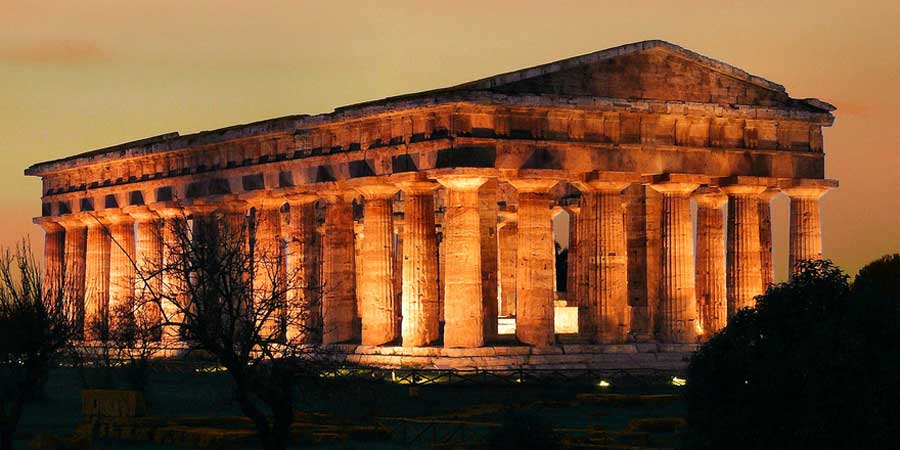
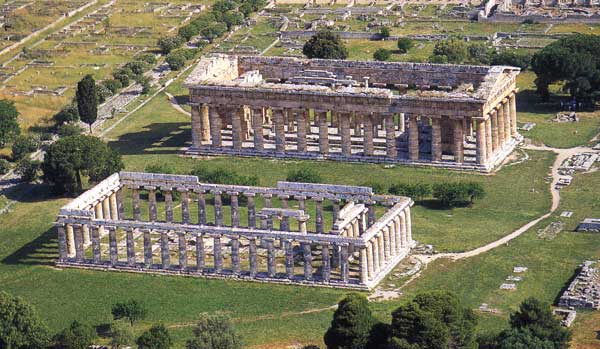
three Greek temples of Paestum, built between the 6th and 5th centuries B.C., are along with those of Athens and Agrigento the best-preserved temple buildings from the ’classical age. Since the ‘700s, the site has attracted travelers and artists such as Piranesi and G...

Photo · Silvia M.

Temples of Paestum — Paestum Templi, Italy.

Location
Paestum Templi
Type
Historical Sites
Opening hours
Weather now
↗ Directions

About Temples of Paestum

Temples of Paestum - Paestum Templi | Secret World Trip Planner

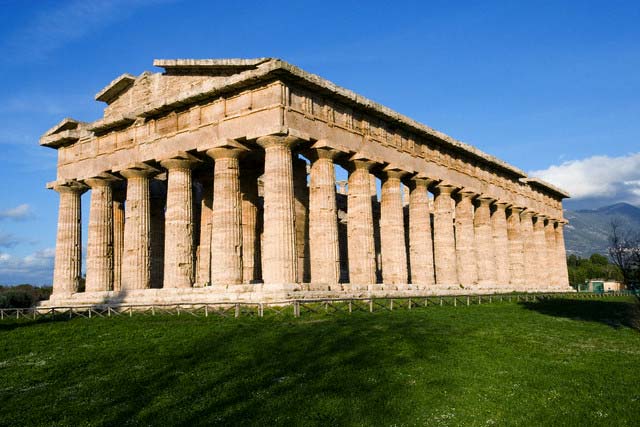
three Greek temples of Paestum, built between the 6th and 5th centuries B.C., are along with those of Athens and Agrigento the best-preserved temple buildings from the ’classical age. Since the ‘700s, the site has attracted travelers and artists such as Piranesi and Goethe. Since 1998, Paestum è UNESCO heritage site.
Temples of Paestum - Paestum Templi | Secret World Trip Planner

Construction of the temples began a few decades after the founding of the city of Peastum, which was originally called Poseidonia, around 600 BC. It was settlers from the city of Sybaris (in Calabria) who settled south of the Sele River, near the Etruscans of Pontecagnano to the north and the indigenous peoples who inhabited the mountains to the east.

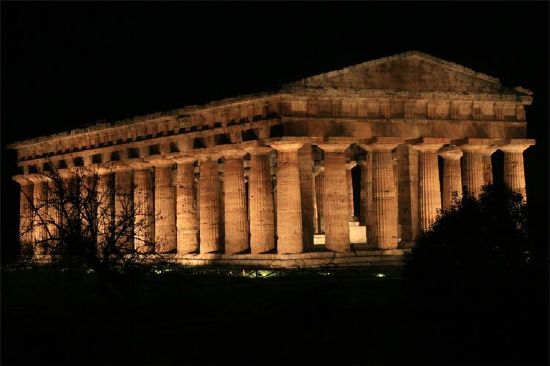
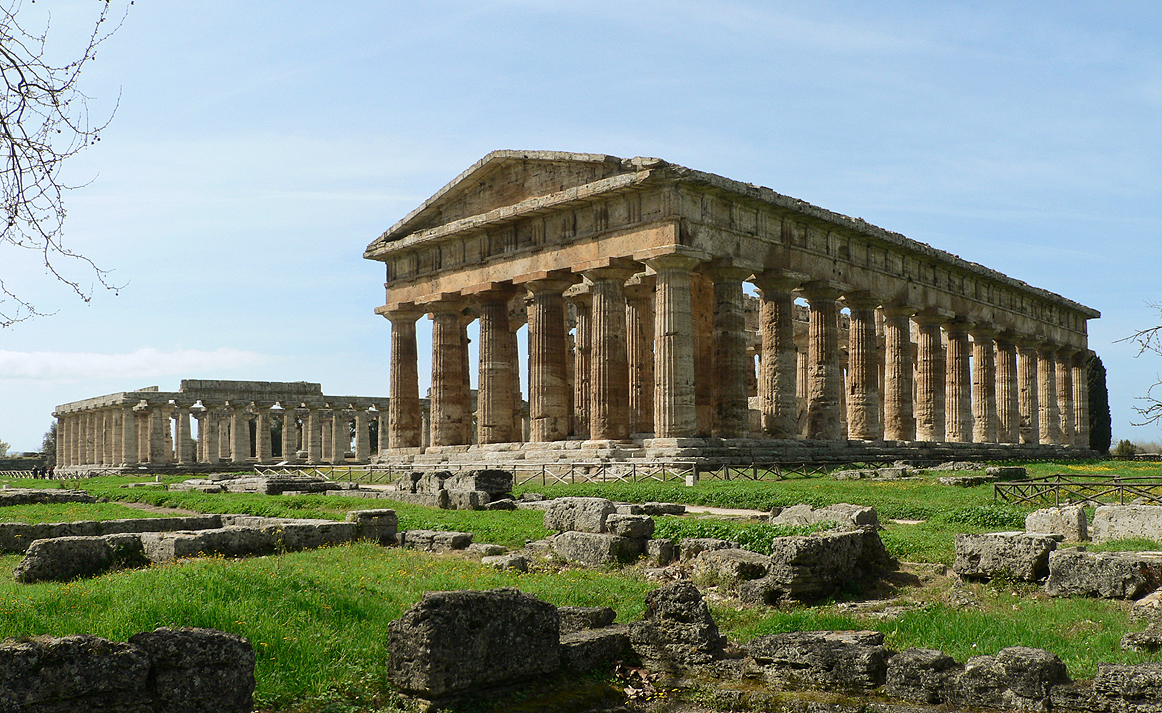
The temples stand in the central part of the city, which covers more than 120 hectares and is surrounded by walls, also among the best preserved we know. Between the temples was located the “market”, that is, the central square where assemblies of citizens were held and the tomb (empty, actually) of the mythical founder of Peastum was worshipped.
Temples of Paestum - Paestum Templi | Secret World Trip Planner

Surrounding the temples and marketplace were living quarters. The remains of houses, baths and stores that can be seen on the site today date largely to the imperial age (1st-5th centuries AD), while we still ignore many aspects of Greek habitation.

The oldest evidence of Greek settlement has been found in urban sanctuaries, in tombs identified outside the walls and in the sanctuary of Hera Argiva at the mouth of the Sele River, about 9 km from Paestum.
Temples of Paestum - Paestum Templi | Secret World Trip Planner

In the second half of the 5th century B.C., the city was conquered by Italic, non-Greek peoples (called Lucanians by some sources); both language (from Greek to the so-called Oscan) and material culture and funerary rites changed. There is no shortage, however, of elements of continuity, such as the persistence of the function of temples.

In 273 B.C. a new incisive change takes place: following the Roman expansion, a Latin colony is installed in Paestum. From now on, Paestum is counted among the many citiesà “Roman” of the peninsula. Around the first century AD, the living quarters were probably very similar to those of Pompeii and Herculaneum, preserved under the lapilli of Vesuvius.
Temples of Paestum - Paestum Templi | Secret World Trip Planner
✦ Secret World · suggested day

A perfect day in Paestum Templi

Start with Temples of Paestum, then continue with nearby places selected by Secret World.

  1. 01
    Morning
    Temples of Paestum
    📍 Paestum Templi
    Start here
  2. 02
    Afternoon
    📍 0.3 km away
  3. 03
    Evening
    📍 4.8 km away

Collect this place

Turn places you discover into stamps in your Secret Passport.

Open Secret Passport →

Keep exploring · Paestum Templi

Frequently Asked Questions

The three Greek temples at Paestum were built between the 6th and 5th centuries B.C., making them among the best-preserved temple buildings from the classical age alongside those in Athens and Agrigento. Their exceptional state of preservation has made them a UNESCO World Heritage site since 1998 and a major attraction for travelers and artists for over three centuries.
Paestum was originally called Poseidonia and was founded around 600 B.C. by settlers from Sybaris in Calabria, who established the city south of the Sele River near Etruscan settlements to the north and indigenous mountain peoples to the east. Construction of the three famous temples began a few decades after the city's founding.
Beyond the three temples, visitors can explore the ancient city's marketplace (agora) where citizen assemblies were held and the tomb of the mythical founder was worshipped, as well as the remarkably well-preserved city walls surrounding the 120-hectare site. The remains of houses, baths, and stores from the imperial age (1st-5th centuries A.D.) are also visible throughout the archaeological area.
In the second half of the 5th century B.C., Paestum was conquered by non-Greek Italic peoples called Lucanians, which led to significant changes including a shift from Greek to Oscan language and new material culture and funerary practices. However, there were elements of continuity, most notably the temples continuing to function as religious centers even under the new rulers.
Yes, about 9 km from the central Paestum site lies the sanctuary of Hera Argiva at the mouth of the Sele River, which contains some of the oldest evidence of Greek settlement in the area. This sanctuary is an important complementary visit for understanding the full religious and cultural landscape of ancient Poseidonia.

Experiences nearby · Paestum Templi

Powered by Viator

See more on Viator.com

Secret World Hidden places, real stories — plan your trip
Get the app
