

In the heart of Basilicata, Italy, lies a small, often overlooked archaeological site with a story that resonates through the annals of ancient myth and history—Termitito. This unassuming destination is steeped in legend, believed by some scholars to be the landing place of Epeius, the master carpenter credited with constructing the infamous Trojan Horse. As you step onto the grounds of Termitito, you tread upon the whispers of a past where myth and reality intertwine.
Termitito's history is a tapestry woven with threads of ancient narratives and historical intrigue. The site's origins are traced back to the Mycenaean Greeks, who ventured across the seas, leaving their indelible mark on the Italian peninsula. It was here, according to lore, that Epeius found refuge after the fall of Troy, bringing with him the skills that would etch his name into history. Though the details of his life remain shrouded in mystery, the legacy of his craftsmanship is immortalized in the annals of Homeric epic.
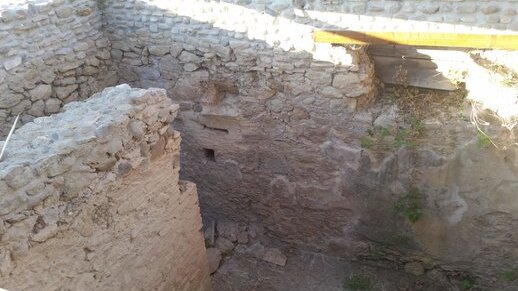
The architectural remains at Termitito, though scant and sadly neglected, hint at the once-vibrant life of the settlement. The ruins are characterized by simple yet robust structures, indicative of the early Greek influence. The site's layout suggests a small, fortified community, possibly serving as a strategic point along ancient trade routes. While the remnants may not rival the grandeur of other Italian sites, they offer a poignant glimpse into an era when myth and reality danced hand in hand.
Culturally, Termitito is a testament to the enduring influence of Greek traditions in southern Italy. This region, known historically as Magna Graecia, became a crucible where Greek and Italic cultures melded. Local festivals often echo ancient rites, celebrating the agricultural cycles with vibrant processions and communal gatherings. Though specific traditions linked to Epeius have faded into obscurity, the spirit of Hellenic heritage endures in the community's celebrations of life and harvest.
The gastronomy of the area is a delightful fusion of Greek and Italian culinary traditions. Visitors to the region can savor dishes like "pasta con le briciole", a humble yet flavorful pasta dish topped with garlic-infused breadcrumbs. Local wines, such as the robust Aglianico del Vulture, offer a rich taste of Basilicata's viticultural heritage, pairing beautifully with the region's hearty fare.
Beyond its historical and culinary allure, Termitito holds lesser-known curiosities that intrigue the discerning traveler. One such tale involves the enigmatic Petra di Termitito, a large stone said to have been used by Epeius himself. Local lore suggests it was part of his workshop, where he honed his craft. Though its exact purpose is debated among archaeologists, the stone stands as a silent witness to the site's storied past.
For those planning a visit, the best time to explore Termitito is during the mild months of spring or early autumn, when the landscape is awash with color and the weather is comfortably temperate. While the site itself shows signs of neglect, with overgrown vegetation and a lack of interpretive signage, this is part of its charm for adventurous souls willing to piece together its story from scattered clues. Visitors should wear sturdy shoes and bring a sense of curiosity, ready to uncover the secrets of this hidden gem.
To fully appreciate Termitito, one should also explore the surrounding region, rich in natural beauty and cultural heritage. Nearby towns, such as Matera with its renowned Sassi districts, offer additional insights into the area's unique blend of history and tradition.
In Termitito, the echoes of an ancient world linger, inviting those who listen closely to discover a narrative as captivating as any epic. Though it may not boast the grandeur of more famous sites, its quiet allure lies in the stories waiting to be unearthed by those who venture off the beaten path.


