
🎄 Win a month in Italy for two — €10,000 · The Secret Italy Prize GO →
The Acropolis of Kavala — Kavala
← Back
Palaces, Villas and Castles 📍 Kavala, Greece 243 views

The Acropolis of Kavala

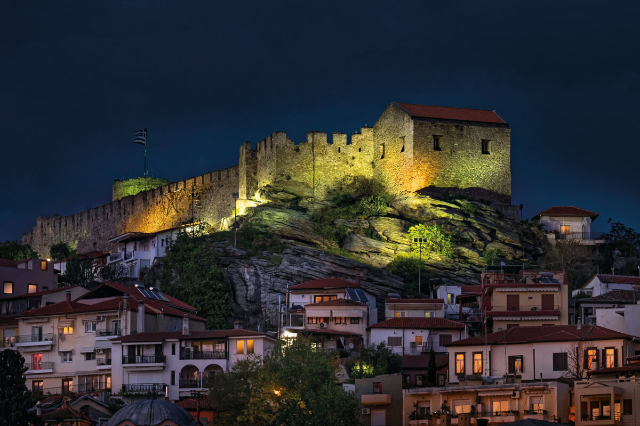
The Acropolis of Kavala stands as a silent but eloquent testament to the layers of history that have shaped this Greek city. Situated on the peak of the Panagia peninsula, the fortress offers not only panoramic views of the city below but also a compelling glimpse into the variou...

Photo · Loredana M.

The Acropolis of Kavala — Kavala, Greece.

Location
Kavala
Type
Palaces, Villas and Castles
Opening hours
Weather now
↗ Directions

About The Acropolis of Kavala

The Acropolis of Kavala - Kavala | Secret World Trip Planner

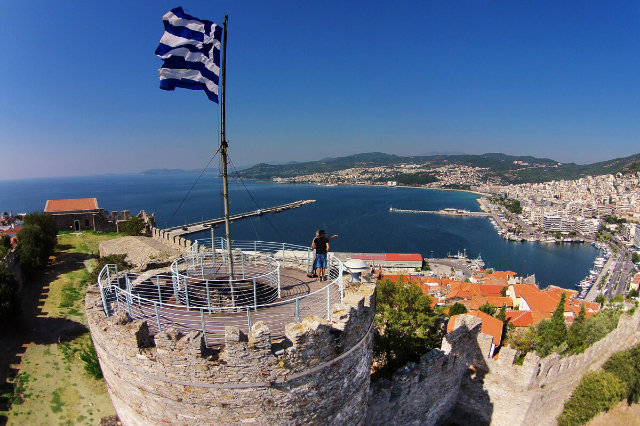
The Acropolis of Kavala stands as a silent but eloquent testament to the layers of history that have shaped this Greek city. Situated on the peak of the Panagia peninsula, the fortress offers not only panoramic views of the city below but also a compelling glimpse into the various epochs that have left their mark on it.
The Acropolis of Kavala - Kavala | Secret World Trip Planner

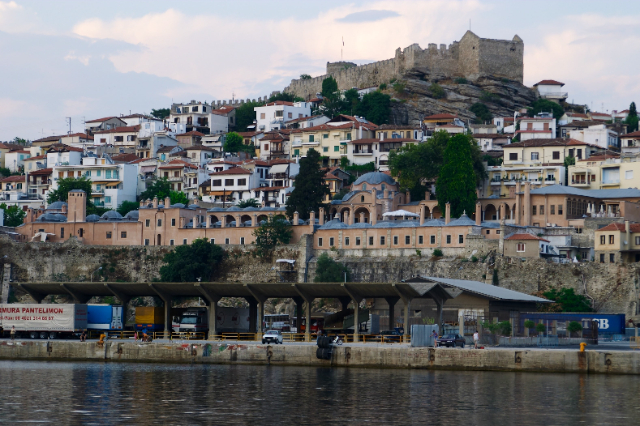
Constructed mainly in the early 15th century, the Acropolis succeeded the Byzantine stronghold of Christoupolis, the ruins of which were integrated into the new fortress. This fortification was designed to monitor and protect the vital Via Egnatia route, which has been a strategic highway since ancient times. Because it was built during an era when melee weapons were prevalent, the Acropolis occupies a spot with natural defensive advantages.

Interestingly, the structure bears evidence of the many hands that have worked on it over the years. Visitors can discern layers of construction and modification from Byzantine, Venetian, and Ottoman periods, making the Acropolis a kind of palimpsest that narrates the history of Kavala.
The Acropolis of Kavala - Kavala | Secret World Trip Planner

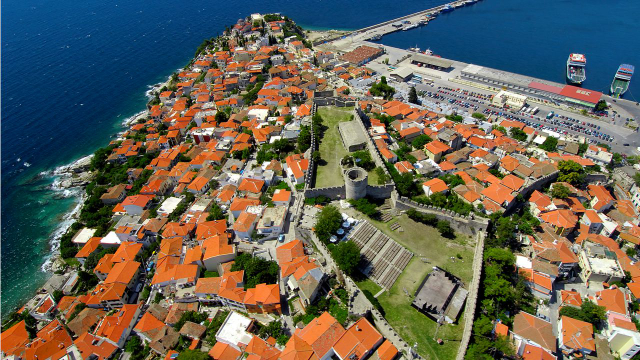
Constructed using a combination of unworked local granite blocks, brick, and marble, the fortress features a variety of elements that paint a vivid picture of what life might have been like for the soldiers stationed there. Upon entering through its main gate, one finds the Acropolis divided into an inner and an outer precinct separated by a transverse wall.

The inner precinct housed all essential areas for the fortification's defense:
The Acropolis of Kavala - Kavala | Secret World Trip Planner
  • The Central Circular Tower: This was the fortress's last line of defense, serving as a kind of redoubt where defenders could make their final stand.

  • Gunpowder and Food Store: Initially serving as a magazine and granary, this area was later converted into a jail, echoing the often dual uses of such spaces in ancient fortifications.

  • The Garrison: This was likely the living quarters for officers or guards, offering them both shelter and a vantage point to monitor for any incoming threats.

  • Water Cistern: This was essential for the survival of the inhabitants, particularly during sieges or other emergencies.

In the outer precinct, visitors can see two square and one polygonal towers that were crucial for the overall defense of the fortress. Today, the inner precinct also hosts an open-air theater used for cultural events, as well as a cafe where visitors can relax and soak in the rich history around them.

Whether you're a history aficionado, an architecture enthusiast, or simply a traveler looking to explore, the Acropolis of Kavala offers a unique journey through time, evoking the military, political, and cultural forces that have shaped this storied city.

✦ Secret World · suggested day

A perfect day in Kavala

Start with The Acropolis of Kavala, then continue with nearby places selected by Secret World.

  1. 01
    Morning
    The Acropolis of Kavala
    📍 Kavala
    Start here
  2. 02
    Afternoon
    📍 0.2 km away
  3. 03
    Evening
    📍 0.5 km away

Collect this place

Turn places you discover into stamps in your Secret Passport.

Open Secret Passport →

Keep exploring · Kavala

Frequently Asked Questions

The Acropolis was constructed mainly in the early 15th century on the peak of the Panagia peninsula, succeeding a Byzantine stronghold called Christoupolis. It was strategically designed to monitor and protect the vital Via Egnatia route, an important highway since ancient times, and its walls bear evidence of Byzantine, Venetian, and Ottoman modifications throughout history.
The fortress is divided into an inner and outer precinct separated by a transverse wall, featuring various defensive structures including a Central Circular Tower that served as the last line of defense. Visitors can also see the construction layers using unworked local granite blocks, brick, and marble that reveal how soldiers lived and defended the fortification during different periods.
The Acropolis is situated on the peak of the Panagia peninsula in Kavala, Greece, offering panoramic views of the city below from its elevated position. This strategic location on high ground with natural defensive advantages was chosen specifically for its ability to defend the surrounding area and monitor the important Via Egnatia trade route.
The fortress was built at a location with natural defensive advantages on the Panagia peninsula peak, which was ideal for melee weapon-era fortifications. This elevated position allowed defenders to protect the vital Via Egnatia route and monitor the city and surrounding territory effectively.
The Acropolis acts as a historical palimpsest, with visible construction layers and modifications from Byzantine, Venetian, and Ottoman periods evident in its structure. The fortress uses a combination of unworked local granite blocks, brick, and marble, with its division into inner and outer precincts demonstrating how different civilizations adapted and reinforced the fortification over centuries.

Experiences nearby · Kavala

Powered by Viator

See more on Viator.com

Secret World Hidden places, real stories — plan your trip
Get the app
