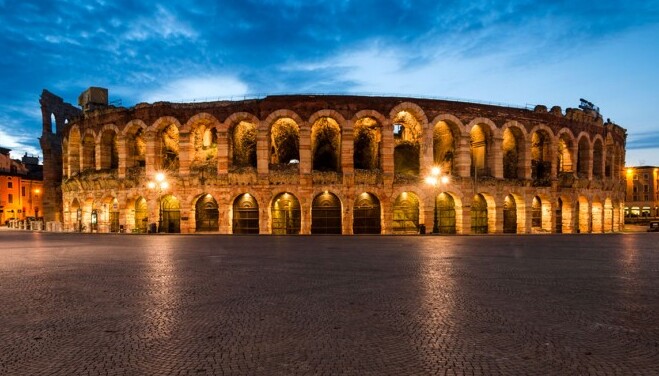

A visit to the Arena of Verona is akin to stepping into a vivid tapestry of history, where the echoes of ancient Rome still resonate. As the sun rises over this majestic structure, the amphitheatre stands proudly as a testament to two millennia of human endeavor, artistry, and spectacle.
### History and Origins
The Arena of Verona was constructed in the first century AD during the reign of Emperor Augustus. Initially built as a venue for public spectacles, it was designed to accommodate thousands of spectators, showcasing the might and grandeur of the Roman Empire. In its prime, the amphitheatre could hold approximately 30,000 spectators and was the site of gladiatorial contests, animal hunts, and theatrical performances.
One of the most significant events in the history of the Arena occurred in AD 1210, when the structure was officially consecrated for Christian worship, thereby marking a shift from pagan entertainment to religious gatherings. Over the centuries, the Arena has endured numerous restorations, particularly during the reign of Theodoric, the king of the Goths, who repurposed many of its stones for local buildings, some of which still stand today. The Arena's resilience is remarkable, having survived natural disasters like earthquakes and the ravages of time, while still retaining its status as a cultural epicenter.
### Art and Architecture
Architecturally, the Arena of Verona is a stunning example of Roman engineering and design. Its elliptical shape and tiered seating are striking, crafted from local Valpolicella limestone, which shimmers in hues of pink and white, particularly after recent restorations that have restored its original glory. The outer façade, featuring 72 arches, is an architectural marvel, demonstrating both functionality and aesthetic prowess.
Inside the arena, the atmosphere is electric, especially during the summer months when performances are held. The acoustics of the structure are extraordinary, allowing even the faintest whisper to be heard by spectators seated far away. Notable works of art can be found in the nearby Roman Theatre and the Archaeological Museum, which together provide context to the rich cultural tapestry of Verona.
### Local Culture and Traditions
The Arena is not just a relic of the past; it remains a vibrant part of Verona's cultural identity. Each summer, it transforms into a grand stage for the Arena di Verona Opera Festival, attracting opera enthusiasts from around the world. This festival, established in 1913, showcases world-class performances in an enchanting setting, allowing visitors to experience timeless operas beneath a starlit sky.
Verona is also steeped in local traditions, such as the Festa di San Zeno, held in honor of the city’s patron saint. This festival, celebrated in May, features a parade, music, and traditional foods, revealing the deep-rooted customs that the people of Verona cherish.
### Gastronomy
Culinary experiences in Verona are as rich as its history. Local delicacies include Risotto all'Amarone, made with the region's famous Amarone wine, and Pastissada de Caval, a hearty horse meat stew. Pair these dishes with a glass of Valpolicella wine, renowned for its robustness and flavor, to truly savor the local palate.
Desserts also play an important role in Veronese cuisine. Pandoro, a sweet yeast bread often dusted with powdered sugar, is a traditional treat, especially during the holiday season. For a quintessential snack, indulge in Sgombri, marinated sardines that offer a taste of the Adriatic.
### Lesser-known Curiosities
While most tourists flock to the main stage events, few are aware of the hidden gems surrounding the Arena. The Lazzaretto, a former quarantine station, is just a short walk away and offers a glimpse into the city’s past responses to epidemics. Another lesser-known fact is that the Arena's architecture inspired the design of several modern stadiums, showcasing its lasting influence on contemporary entertainment venues.
Moreover, the Arena's stone walls have witnessed the passage of countless historical figures, from Dante Alighieri, who praised the city in his writings, to Shakespeare, whose characters were often inspired by the romantic backdrop of Verona.
### Practical Visitor Information
The best time to visit the Arena of Verona is during the summer months, particularly from June to August, when the opera festival takes place. Early morning or late afternoon visits provide the best light for photographs, and fewer crowds allow for a more intimate experience.
When exploring the site, take time to appreciate the intricate details of its architecture and consider joining a guided tour for deeper insights into its history. Remember to wear comfortable shoes, as the cobblestone streets around the Arena can be uneven.
To make the most of your visit to Statte, consider using the Secret World app for a personalized AI itinerary to explore more of this enchanting area.
