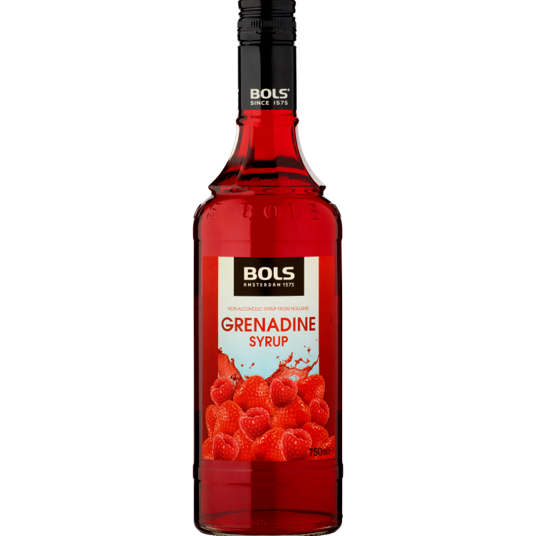

Nestled in the vibrant streets of Amsterdam, a city renowned for its artistic flair and historical depth, lies a surprising connection to a seemingly unrelated concoction: grenadine syrup. This sweet, vivid red mixer, commonly associated with cocktails, carries a fascinating history that transcends its modern-day use.
### History and Origins
Grenadine syrup's journey begins long before it became a staple in bars and cafes. The name "grenadine" is derived from the French word grenade, meaning pomegranate, which traces back to the Latin grānātum, implying 'seeded'. Originally made from pomegranate juice, sugar, and water, grenadine syrup was cherished for its sweet, yet subtly tart flavor—a legacy from the sun-drenched orchards of ancient Persia, where the pomegranate first flourished. The syrup's popularity soared in the 19th century as it found its way into European culinary practices, evolving into the sweet syrup we recognize today.
### Art and Architecture
While grenadine syrup might seem an unlikely candidate for inspiring architectural marvels, its vibrant hue has influenced Amsterdam's artistic community. Art Nouveau, a movement known for its intricate designs and bold colors, found inspiration in natural elements, much like the pomegranate. Amsterdam’s Van Gogh Museum and the Rijksmuseum house artworks from this period, reflecting the same vividness found in the syrup's hue. Though not directly tied to grenadine, these institutions celebrate the city’s deep-seated passion for color and form.
### Local Culture and Traditions
Amsterdam's culture is a tapestry woven with historical threads and modern influences. While grenadine itself is not a traditional Dutch product, its use in cocktails has become a part of the city's bustling bar scene, particularly in areas like De Pijp and Jordaan, known for their lively nightlife. Locals and tourists alike savor drinks like the Tequila Sunrise or Shirley Temple, which owe their signature allure to grenadine’s vibrant touch.
### Gastronomy
In Amsterdam, gastronomy is as much about experience as it is about taste. While the syrup is not a native ingredient, its sweetness complements the city's penchant for combining flavors. Sample a locally-inspired cocktail or a non-alcoholic beverage at the famed SkyLounge Amsterdam, where grenadine's color and taste enhance the panoramic views of the city.
### Lesser-known Curiosities
A lesser-known fact about grenadine syrup in Amsterdam is its connection to the city's silk trade history. The term "grenadine" also refers to a type of thin silk fabric from the mid-19th century, likely named after Grenada, Spain, a nod to the cultural exchanges woven into Amsterdam’s history. This overlap of culinary and textile history adds layers to the seemingly simple syrup.
### Practical Visitor Information
The best time to experience Amsterdam's vibrant culture is during the late spring or early autumn when the weather is mild and the city is alive with festivals. Visitors should explore local cocktail bars to see grenadine syrup in action, especially in venues that embrace the city's innovative spirit. For a unique experience, consider joining a cocktail-making class in Amsterdam-Noord, where you can learn to craft drinks using grenadine.
To uncover more of Amsterdam's hidden gems and tailor your visit, let Secret World app craft your personalized itinerary.
